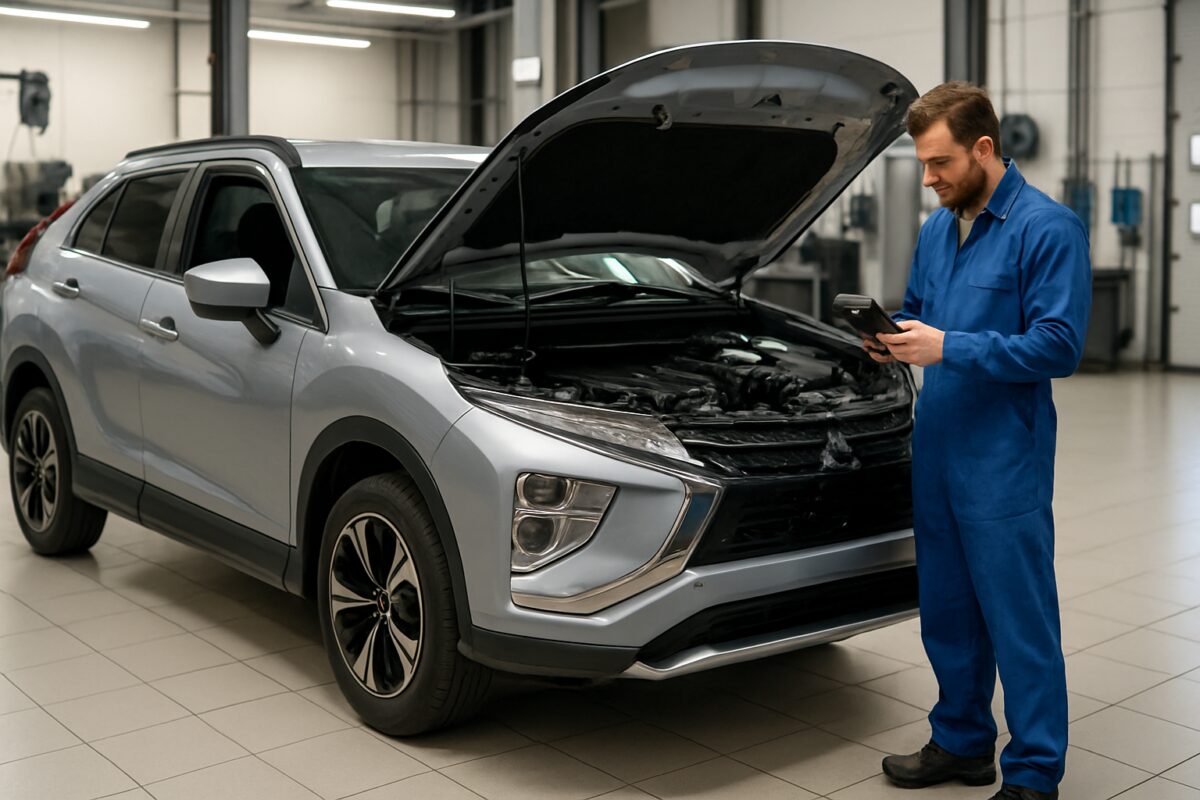
The Mitsubishi Eclipse Cross has gained popularity among UK drivers since its 2017 launch, offering a stylish design and practical SUV features. However, like many modern vehicles, it experiences specific technical issues that owners should be aware of. Understanding these common problems can help you identify potential faults early and maintain your vehicle properly.
CVT transmission issues
The continuously variable transmission (CVT) in the Eclipse Cross has proven problematic for many owners. This automatic transmission system, designed to provide smooth acceleration, often develops hesitation during gear changes.
CVT problems typically manifest as jerky acceleration, especially from standstill. Drivers report a rubber band effect where the engine revs increase but acceleration remains sluggish. The transmission may also produce unusual whining noises during operation.
These issues often stem from inadequate CVT fluid maintenance or manufacturing defects in the transmission belt system. The CVT requires specific fluid types and regular servicing intervals that many owners overlook. Poor driving habits, such as frequent aggressive acceleration, can accelerate wear on the transmission components.
Our specialists recommend checking CVT fluid levels every 6 months and following Mitsubishi’s service schedule religiously to prevent costly transmission repairs.
Engine oil consumption problems
Excessive oil consumption affects both the 1.5-litre turbocharged and 2.0-litre naturally aspirated engines. Many Eclipse Cross owners report needing to top up engine oil between service intervals, sometimes requiring a full litre every 1,000 miles.
This problem typically develops after 40,000 miles and worsens with age. The oil consumption stems from worn piston rings, valve stem seals, or turbocharger seals in turbocharged models. Carbon build-up in the combustion chamber can also contribute to increased oil burning.
High oil consumption leads to frequent top-ups, increased running costs, and potential engine damage if oil levels drop too low. The turbo variants are particularly susceptible due to the additional stress placed on engine components. Regular oil filter replacement becomes crucial to maintain engine health.
Symptoms include blue smoke from the exhaust, especially during cold starts, and the need for frequent oil top-ups. Some owners notice oil residue around the engine bay or on the driveway where the car is parked.
Electronic parking brake malfunctions
The electronic parking brake system frequently develops faults, particularly in vehicles over three years old. This sophisticated system replaces traditional handbrake cables with electronic actuators, but these components prove unreliable in the Eclipse Cross.
Common symptoms include the parking brake refusing to engage or disengage, warning lights on the dashboard, and grinding noises when operating the system. Some owners experience the brake applying itself randomly whilst driving, creating dangerous situations.
The electronic parking brake relies on brake calipers with integrated electric motors. These motors fail due to moisture ingress, wear from repeated use, or software glitches. The system also depends on various sensors that can become contaminated or damaged.
Repairs often require specialist diagnostic equipment and replacement of expensive electronic components. The integrated nature of the system means individual component replacement is sometimes impossible, necessitating complete caliper replacement.
Always have electronic parking brake issues diagnosed immediately, as they can compromise vehicle safety and lead to MOT failures if left untreated.
Turbocharger failures
The 1.5-litre turbocharged engine suffers from premature turbocharger failures, often occurring between 50,000-80,000 miles. These failures typically result from oil starvation, carbon build-up, or manufacturing defects in the turbo bearings.
Early warning signs include whistling noises from the engine bay, blue or black exhaust smoke, and significant loss of power. The turbocharger may also produce excessive oil consumption as seals deteriorate. Some owners report metallic grinding sounds during acceleration.
Turbo failures often cascade into additional problems. Oil contamination from a failing turbo can damage the engine internals, whilst boost pressure irregularities affect fuel mixture and combustion efficiency. The intercooler system may also suffer contamination from failed turbocharger seals.
Prevention involves regular oil changes with high-quality oil, allowing the engine to idle briefly before switching off, and addressing any oil leaks promptly. Aggressive driving styles and poor maintenance significantly reduce turbocharger lifespan.
Warning Signs Your Car Has a Problem
Recognising early warning signs can prevent minor issues from developing into expensive repairs. These symptoms indicate potential problems with your Eclipse Cross.
| System | Warning Sign | Urgency |
|---|---|---|
| CVT Transmission | Jerky acceleration, whining noises | Medium |
| Engine | Blue exhaust smoke, frequent oil top-ups | High |
| Parking Brake | Warning lights, grinding noises | High |
| Turbocharger | Whistling sounds, power loss | Medium |
| General | Unusual vibrations, dashboard warnings | Variable |
How to fix the problems
Addressing Eclipse Cross problems requires systematic diagnosis and appropriate repair strategies. Understanding repair options helps owners make informed decisions about maintenance and repairs.
| Problem | DIY Solution | Professional Repair | Estimated Cost |
|---|---|---|---|
| CVT Issues | Fluid change, driving style adjustment | Transmission rebuild/replacement | £2,500-£5,000 |
| Oil Consumption | Regular monitoring, quality oil use | Engine rebuild, seal replacement | £1,500-£4,000 |
| Parking Brake | Software reset (dealer only) | Caliper/motor replacement | £800-£1,200 |
| Turbocharger | Oil change, gentle driving | Turbo replacement | £1,200-£2,000 |
For more information about brake maintenance, read our comprehensive guide on brake disc replacement.
When to See a Mechanic
Certain Eclipse Cross problems require immediate professional attention to prevent safety hazards or expensive damage. CVT transmission issues should be diagnosed professionally as soon as symptoms appear, as continued driving can cause complete transmission failure.
Engine oil consumption problems warrant immediate inspection if consumption exceeds one litre per 1,000 miles. This level indicates serious internal wear that could lead to catastrophic engine failure. Professional diagnosis can determine whether repairs are economically viable.
Electronic parking brake malfunctions require urgent attention due to safety implications. These systems can fail without warning, potentially causing accidents or preventing the vehicle from being secured when parked. Only qualified technicians should attempt repairs on electronic brake systems.
Turbocharger problems need professional assessment once symptoms develop. Continued driving with a failing turbo can damage the engine through oil contamination or loss of lubrication. Early intervention often allows for turbo replacement rather than complete engine rebuilds.
For guidance on when professional help is necessary, consider reading our article about garage visits versus DIY repairs.
Frequently Asked Questions (FAQ)
Is the Mitsubishi Eclipse Cross reliable?
The Eclipse Cross has average reliability with several known issues affecting CVT transmission, engine oil consumption, and electronic systems requiring regular maintenance attention.
How long does the CVT transmission last in Eclipse Cross?
CVT transmission typically lasts 80,000-120,000 miles with proper maintenance, though some units fail earlier due to design limitations and inadequate servicing.
What causes high oil consumption in Eclipse Cross engines?
High oil consumption results from worn piston rings, valve seals, or turbocharger seals, particularly in vehicles over 40,000 miles with inadequate maintenance.
Can I fix electronic parking brake issues myself?
Electronic parking brake repairs require specialist diagnostic equipment and should only be attempted by qualified technicians due to safety implications and system complexity.
When should I replace the turbocharger in my Eclipse Cross?
Replace the turbocharger immediately when symptoms appear, including whistling noises, blue smoke, or significant power loss to prevent secondary engine damage.
Final Recommendation
The Mitsubishi Eclipse Cross offers good value and practicality but requires careful maintenance to avoid common problems. Focus on regular CVT servicing, monitor oil consumption closely, and address warning signs promptly. The electronic parking brake and turbocharger issues are more serious concerns requiring professional attention.
Our AutoPartsPro mechanics recommend establishing a relationship with a Mitsubishi specialist who understands these specific problems. Regular diagnostics can catch developing issues before they become expensive repairs. Consider extended warranties for high-mileage vehicles, particularly covering CVT transmission and turbocharger components.
Despite these issues, the Eclipse Cross remains a practical choice when properly maintained. Budget for higher maintenance costs compared to some competitors, and prioritise quality parts and professional servicing. For reliable replacement parts and expert advice, our experienced team can help you maintain your Eclipse Cross effectively. Early intervention and quality components from AutoPartsPro ensure your vehicle remains dependable and safe on UK roads.

 Loading...