The clutch master cylinder is a vital hydraulic component that enables smooth gear changes in manual transmission vehicles. When this critical part fails, you’ll experience symptoms such as soft clutch pedal feel, difficulty engaging gears, clutch pedal staying on the floor, or complete clutch system failure. Replacement costs typically range from £150-400, including parts and labour, with diagnosis requiring visual inspection of the brake fluid reservoir and clutch pedal operation.
According to our specialists at Autopartspro, clutch master cylinder problems are increasingly common in vehicles over five years old, particularly those with high mileage or inadequate maintenance schedules.
What is a clutch master cylinder and how does it work
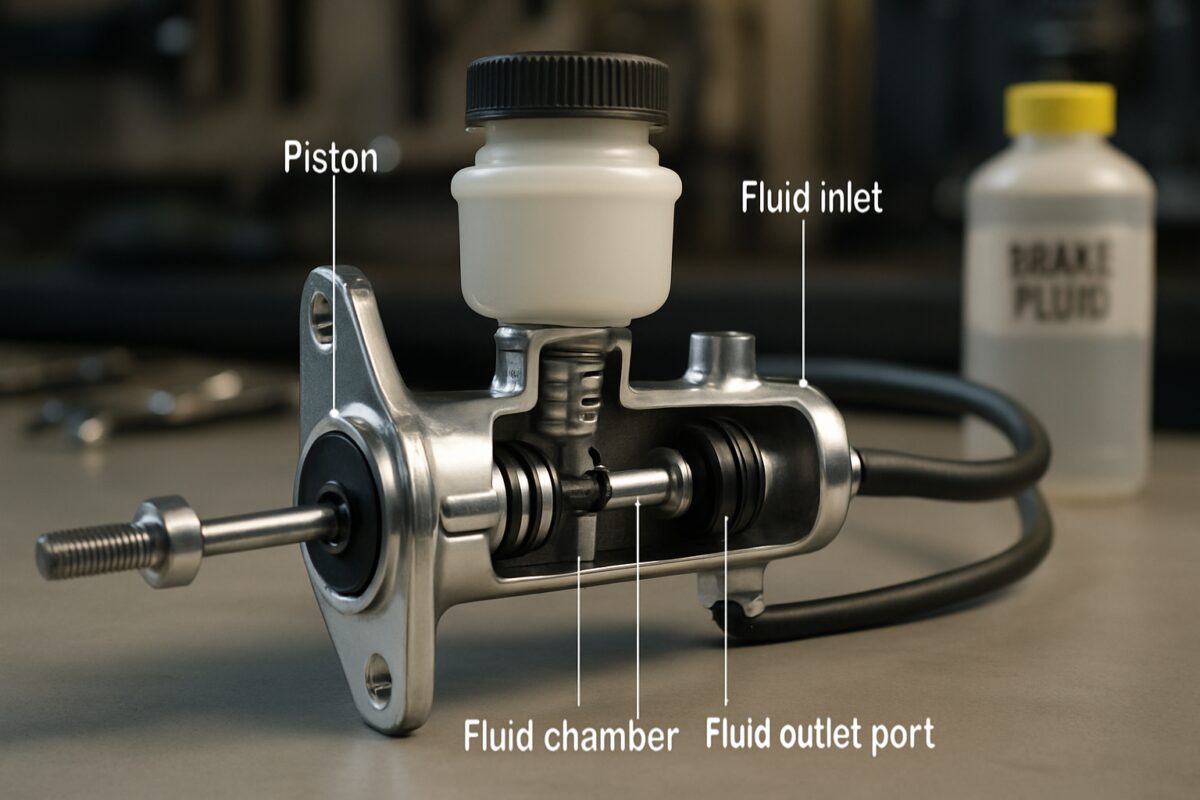
The clutch master cylinder functions as the primary component in your vehicle’s hydraulic clutch system. This cylindrical device converts the mechanical force from your clutch pedal into hydraulic pressure, which then travels through brake fluid lines to operate the clutch slave cylinder.
When you press the clutch pedal, a pushrod activates a piston inside the master cylinder. This piston compresses brake fluid, creating hydraulic pressure that flows through steel brake lines to the slave cylinder mounted on the gearbox.
The slave cylinder receives this hydraulic pressure and extends its piston, which pushes against the clutch release fork. This action disengages the clutch disc from the flywheel, allowing you to change gears smoothly.
Modern clutch systems rely entirely on this hydraulic operation, making the master cylinder absolutely essential for proper clutch function. Without adequate hydraulic pressure, your clutch won’t disengage properly, leading to grinding gears and potential transmission damage.
Common symptoms of a failing clutch master cylinder
Recognising the warning signs of clutch master cylinder failure can save you from expensive transmission repairs and dangerous driving situations. Our experienced mechanics have identified several telltale symptoms that indicate potential problems.
Soft or spongy clutch pedal feel
A healthy clutch pedal should feel firm and consistent throughout its travel. When the master cylinder develops internal leaks or air enters the hydraulic system, you’ll notice the pedal feels soft, spongy, or lacks the usual resistance.
This symptom often starts intermittently but progressively worsens as the seal deterioration continues. The pedal may feel normal when cold but become softer as the engine warms up and brake fluid expands.
Clutch pedal sticking to the floor
Perhaps the most alarming symptom occurs when your clutch pedal fails to return after depression. This typically indicates complete master cylinder seal failure, where the piston cannot maintain proper hydraulic pressure.
When this happens, you’ll find yourself unable to engage any gear, potentially stranding you in traffic. The pedal may slowly return to position or remain completely stuck down.
Difficulty engaging gears
Insufficient hydraulic pressure from a failing master cylinder makes gear engagement challenging or impossible. You might experience grinding noises when attempting to select first gear or reverse, indicating the clutch isn’t fully disengaging.
This symptom often manifests as increased effort required to move the gear lever, particularly when starting from rest or parking.
Visible brake fluid leaks
External leaks around the master cylinder mounting point or along the brake lines indicate seal failure. These leaks may appear as dark, oily stains on your driveway or garage floor beneath the clutch pedal area.
Additionally, check the brake fluid reservoir level regularly. A consistently dropping fluid level without visible external leaks suggests internal cylinder wear allowing fluid to bypass the piston seals.
Table showing clutch master cylinder symptoms and their severity:
| Symptom | Severity Level | Driving Safety | Action Required |
|---|---|---|---|
| Soft pedal feel | Medium | Caution advised | Diagnose within days |
| Pedal sticks down | Critical | Unsafe to drive | Immediate repair |
| Hard to engage gears | Medium-High | Limited driving | Repair within week |
| Visible fluid leaks | High | Unsafe continuing | Stop driving immediately |
Professional diagnosis methods for clutch master cylinder problems
Proper diagnosis requires systematic testing to distinguish between master cylinder, slave cylinder, and clutch mechanism faults. Our technicians follow established procedures to pinpoint the exact problem source.
Visual inspection checklist
Begin diagnosis by examining the brake fluid reservoir level and colour. Dark, contaminated fluid indicates moisture absorption and potential internal component damage. Fresh brake fluid should appear clear or light amber.
Inspect the master cylinder body for external leaks, corrosion, or physical damage. Check all brake line connections for tightness and signs of fluid seepage.
Pedal operation testing
With the engine running, press the clutch pedal slowly and note the resistance throughout its travel. A healthy system provides consistent resistance with a definite engagement point.
Test the pedal return speed and force. The pedal should return quickly and smoothly without assistance when released.
System pressure testing
Professional diagnosis may require pressure testing equipment to measure hydraulic system performance. This test identifies whether the master cylinder can maintain adequate pressure under load.
Pressure testing involves connecting gauges to the hydraulic system and monitoring pressure readings during pedal operation.
Step-by-step clutch master cylinder replacement procedure
Replacing a clutch master cylinder requires mechanical knowledge and proper tools. While some experienced DIY mechanics can perform this task, we recommend professional installation to ensure safety and warranty coverage.
Professional Tip: Always use fresh brake fluid when replacing hydraulic clutch components. Old fluid contains moisture that can cause premature failure of new parts and compromise system performance.
Required tools and preparation
Essential tools include metric spanners, brake fluid, bleeding equipment, and replacement seals. Ensure you have the correct master cylinder part number for your specific vehicle model and year.
Work in a well-ventilated area and wear protective gloves when handling brake fluid, as it can damage paintwork and irritate skin.
Removal process
Numbered steps for master cylinder removal:
- Disconnect the battery negative terminal for safety
- Remove brake fluid from the reservoir using a syringe
- Disconnect the hydraulic line at the master cylinder outlet
- Remove the master cylinder mounting bolts from the firewall
- Disconnect the pushrod from the clutch pedal mechanism
- Extract the master cylinder assembly from the engine bay
Installation and bleeding
Install the new master cylinder in reverse order, ensuring all connections are properly tightened. The most critical step involves bleeding the hydraulic system to remove air bubbles that would compromise clutch operation.
System bleeding requires two people: one to operate the clutch pedal while the other opens and closes the slave cylinder bleed valve. Continue until clear, bubble-free fluid flows from the bleed point.
Cost breakdown for clutch master cylinder replacement
Understanding replacement costs helps you budget for this essential repair and compare quotes from different service providers. Costs vary significantly based on vehicle type, part quality, and labour rates.
Parts costs by vehicle category
Standard passenger cars typically require master cylinders costing £45-90 for quality aftermarket units. Premium vehicles like BMW or Mercedes may need £120-200 parts due to specialized designs and materials.
Commercial vehicles and performance cars often require heavy-duty components costing £150-300, reflecting their higher operating pressures and durability requirements.
Labour costs and timeframes
Professional installation typically requires 2-4 hours, depending on vehicle accessibility and system complexity. Most UK garages charge £60-80 per hour for this type of work.
Additional costs may include brake fluid, bleeding equipment usage, and any corroded brake lines requiring replacement during the repair process.
Detailed cost breakdown table:
| Component/Service | Budget Range | Premium Range | Performance Range |
|---|---|---|---|
| Master cylinder part | £45-70 | £80-150 | £150-300 |
| Labour (2-4 hours) | £120-200 | £160-280 | £200-320 |
| Brake fluid & consumables | £15-25 | £20-30 | £25-40 |
| Total estimated cost | £180-295 | £260-460 | £375-660 |
Prevention strategies and maintenance tips
Proper maintenance significantly extends clutch master cylinder life and prevents costly failures. Our maintenance specialists recommend following specific procedures to maximize component longevity.
Regular brake fluid changes
Brake fluid naturally absorbs moisture from the atmosphere, leading to internal corrosion and seal deterioration. Replace brake fluid every 24 months or according to manufacturer specifications, regardless of mileage.
Use only manufacturer-approved brake fluid specifications. DOT 3, DOT 4, and DOT 5.1 fluids have different boiling points and chemical properties that affect system performance.
Proper clutch operation techniques
Avoid riding the clutch pedal or keeping it partially depressed while driving. This creates continuous pressure on the hydraulic system and accelerates component wear.
When stopping in traffic, engage neutral and release the clutch pedal rather than holding it down with the vehicle in gear.
Key maintenance practices:
- Check brake fluid level monthly and top up if necessary
- Inspect for leaks during regular servicing
- Replace brake fluid every 2 years
- Address any clutch operation issues promptly
- Use quality brake fluid meeting vehicle specifications
When to seek professional help vs DIY repair
While some automotive enthusiasts can successfully replace clutch master cylinders, several factors determine whether professional assistance is advisable for your specific situation.
DIY considerations
DIY replacement suits mechanically experienced individuals with proper tools and workspace. You’ll need brake line wrenches, bleeding equipment, and knowledge of hydraulic system operation.
Consider the vehicle’s age and condition. Older vehicles may have corroded brake lines or seized fittings that require professional tools and expertise to address safely.
Professional advantages
Professional installation includes warranty coverage, proper disposal of old brake fluid, and expertise handling unexpected complications. Technicians can identify related problems like worn clutch components or damaged brake lines during repair.
Many insurance policies require professional installation for safety-critical components like clutch systems to maintain coverage validity.
Factors favouring professional repair:
- Limited mechanical experience with hydraulic systems
- Lack of proper bleeding equipment
- Vehicle warranty considerations
- Time constraints for thorough completion
- Need for related component inspection
Choosing the right replacement parts
Selecting appropriate replacement parts ensures reliable operation and value for money. Understanding different part categories helps you make informed decisions based on your vehicle’s requirements and budget.
OEM vs aftermarket options
Original Equipment Manufacturer (OEM) parts offer guaranteed fitment and performance matching your vehicle’s original specifications. These parts typically cost 20-40% more than aftermarket alternatives but provide peace of mind and warranty coverage.
Quality aftermarket parts from reputable manufacturers like Sachs, LUK, or Valeo often match or exceed OEM performance at reduced costs. Research manufacturer reputation and warranty terms before purchasing.
Quality indicators to consider
Examine part construction materials and manufacturing quality. Quality master cylinders feature precision-machined bores, durable seals, and corrosion-resistant finishes that ensure long service life.
Check for quality certifications like ISO 9001 or specific automotive standards that indicate manufacturing excellence and consistent quality control.
When selecting replacement parts, consider factors beyond initial cost. Cheaper components may require more frequent replacement, making premium parts more economical long-term.
Understanding clutch master cylinder operation, symptoms, and replacement procedures empowers you to maintain your vehicle’s clutch system effectively. Whether you choose professional repair or undertake DIY replacement, prompt attention to clutch system problems prevents costly transmission damage and ensures safe vehicle operation. Regular maintenance, quality parts selection, and proper repair techniques combine to deliver reliable clutch performance for years to come.
Frequently Asked Questions (FAQ)
How long does a clutch master cylinder typically last?
Most clutch master cylinders last 80,000-120,000 miles with proper maintenance. However, harsh driving conditions, contaminated brake fluid, or poor maintenance can reduce this significantly.
Can I drive with a faulty clutch master cylinder?
Driving with a failing master cylinder is dangerous and can leave you stranded. If symptoms appear, have the system inspected immediately to prevent complete failure.
What causes clutch master cylinder failure?
Common causes include old contaminated brake fluid, internal seal wear, corrosion from moisture absorption, and normal wear from high mileage or aggressive clutch operation.
How do I know if the problem is the master or slave cylinder?
Master cylinder problems typically show external leaks near the pedal or soft pedal feel. Slave cylinder issues often cause grinding gears without pedal softness.
Should I replace both master and slave cylinders together?
While not always necessary, replacing both components together ensures matched performance and prevents contaminating the new part with debris from the old system.

 Loading...