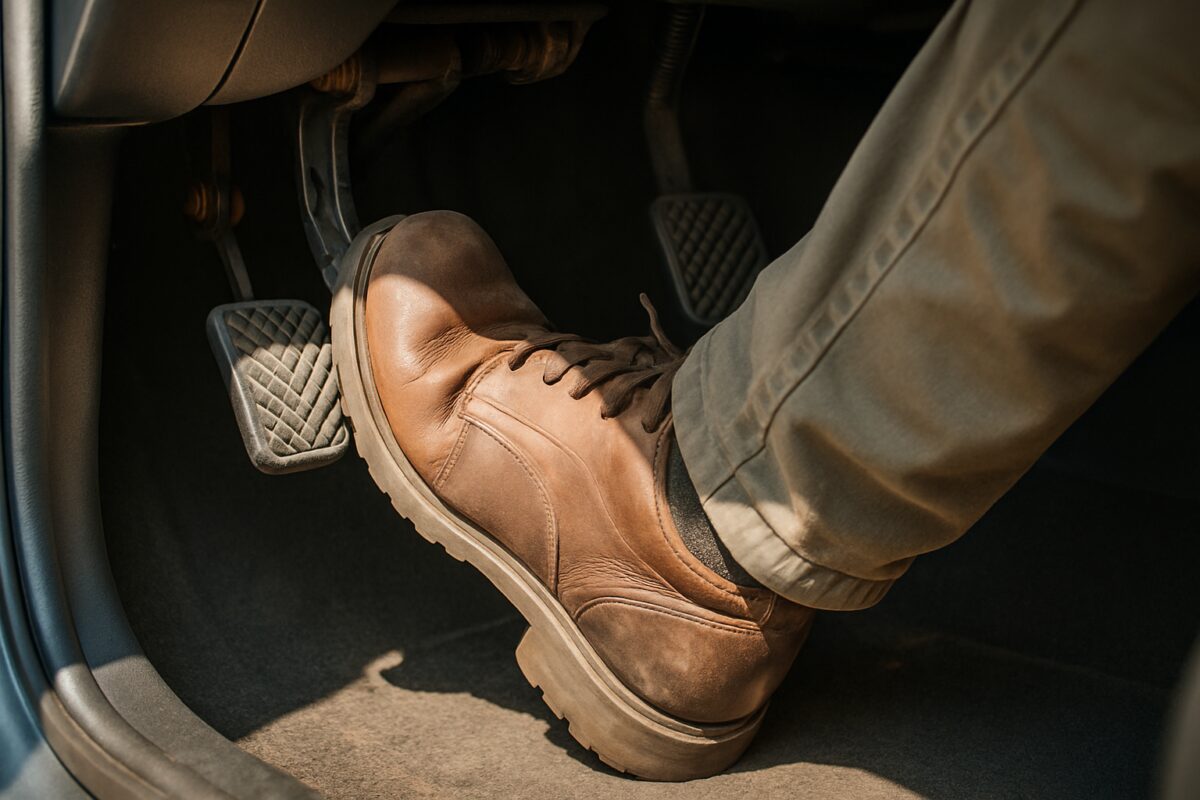
A heavy clutch pedal can transform your daily driving into a proper workout, making gear changes feel like pressing a weight at the gym. This frustrating problem affects thousands of UK drivers and can signal various underlying issues within your clutch system that require immediate attention.
Worn clutch pressure plate
The pressure plate is a critical component that applies force to the clutch disc against the flywheel. Over time, the pressure plate’s diaphragm springs lose their flexibility and become progressively stiffer.
When the diaphragm springs weaken, they require significantly more force to compress properly. This creates a domino effect where your clutch pedal becomes increasingly heavy to operate. The springs may also develop uneven wear patterns, causing erratic pedal feel.
Modern pressure plates typically last between 60,000 and 100,000 miles, depending on driving conditions. City driving with frequent stop-start traffic accelerates wear considerably. Heavy-duty vehicles and performance cars often experience this problem earlier due to increased operating pressures.
Professional tip: Our mechanics at Autopartspro recommend checking the pressure plate whenever you notice gradual increases in clutch pedal effort, as early detection can prevent complete clutch failure.
Faulty clutch cable or hydraulic system
Cable-operated clutches can develop several problems that increase pedal effort. The clutch cable may stretch over time, creating additional slack that requires more force to overcome. Internal cable friction from worn liner materials also contributes to stiff pedal feel.
Hydraulic clutch systems present their own challenges. Low fluid levels in the master cylinder reduce system efficiency, whilst air bubbles trapped in the hydraulic lines create spongy, heavy pedal characteristics.
The clutch master cylinder internal seals can deteriorate, causing internal leakage that reduces hydraulic pressure. Similarly, the slave cylinder may develop faults that prevent proper clutch release, forcing you to press harder on the pedal.
Regular maintenance of these systems prevents most problems. Check the hydraulic fluid levels monthly and inspect cables for fraying or corrosion every six months.
Damaged clutch fork or release bearing
The clutch fork acts as a lever that multiplies the force from your pedal input to the release bearing. When this fork bends or cracks, it loses mechanical advantage, requiring significantly more pedal effort.
Fork damage typically occurs from aggressive driving, particularly “riding the clutch” during hill starts or in heavy traffic. The constant pressure creates metal fatigue that eventually leads to failure.
Release bearings can seize due to lack of lubrication or contamination from gearbox oil. A seized bearing dramatically increases the force needed to disengage the clutch, often accompanied by grinding or squealing noises.
These components are often overlooked during routine maintenance but play crucial roles in clutch operation. Professional inspection during clutch replacement ensures all related parts function correctly.
Warning signs your car has a problem
Several symptoms indicate clutch problems beyond just heavy pedal feel:
- Grinding or squealing noises when pressing the clutch pedal
- Difficulty engaging gears, particularly first and reverse
- Clutch pedal vibration or pulsating feel
- Burning smell from the engine bay during gear changes
- Clutch slipping under acceleration
These warning signs often appear gradually, making them easy to ignore initially. However, addressing problems early prevents costlier repairs and potential breakdown situations.
How to fix the problems
| Problem | Solution | Difficulty Level | Estimated Cost |
|---|---|---|---|
| Worn pressure plate | Complete clutch kit replacement | Expert | £350-£800 |
| Stretched clutch cable | Cable replacement and adjustment | Intermediate | £40-£80 |
| Low hydraulic fluid | Top up and bleed system | Beginner | £15-£30 |
| Damaged clutch fork | Fork replacement during clutch service | Expert | £50-£120 |
| Seized release bearing | Bearing replacement | Expert | £80-£150 |
Essential advice: Never attempt clutch repairs without proper equipment and expertise. The complexity of modern clutch systems requires professional tools and knowledge to ensure safe, reliable repairs.
When to see a mechanic
Seek professional diagnosis immediately if your clutch pedal becomes noticeably heavier over a short period. Sudden changes often indicate component failure that could leave you stranded.
Book a garage appointment when you experience any combination of warning symptoms. Early intervention typically reduces repair costs and prevents secondary damage to related components.
Emergency situations require immediate attention. If your clutch pedal goes to the floor without resistance or you cannot engage any gears, stop driving immediately and arrange recovery.
Regular servicing helps identify potential problems before they become critical. Most professional garages include clutch operation checks during routine maintenance.
| Service Type | Frequency | What’s Checked |
|---|---|---|
| Annual MOT | 12 months | Basic clutch operation and pedal travel |
| Major Service | 12-24 months | Hydraulic fluid levels, cable adjustment |
| Clutch Inspection | When symptoms appear | Complete system diagnosis and testing |
Frequently asked questions (FAQ)
Why is my clutch pedal suddenly very heavy?
Sudden changes usually indicate hydraulic system failure, cable breakage, or clutch fork damage requiring immediate professional inspection.
Can I drive with a heavy clutch pedal?
Short distances are possible but not recommended. Heavy pedals often worsen rapidly and may lead to complete failure.
How much does clutch pedal repair cost in the UK?
Simple adjustments cost £30-£60, whilst complete clutch replacement ranges from £350-£800 depending on vehicle type.
Will a heavy clutch pedal pass MOT testing?
Excessively heavy pedals may fail MOT if they affect safe vehicle operation or indicate underlying system faults.
How long can I delay clutch repairs?
Delaying repairs risks complete clutch failure, potentially causing expensive secondary damage to flywheel and gearbox components.
Final recommendation
A heavy clutch pedal demands prompt attention to prevent costlier repairs and ensure your safety on UK roads. The progressive nature of most clutch problems means early intervention typically resolves issues at minimal cost.
Our Autopartspro specialists recommend professional diagnosis whenever clutch pedal effort increases noticeably. Modern diagnostic equipment can identify specific component failures, allowing targeted repairs rather than complete system replacement.
Don’t gamble with clutch problems. The convenience of smooth gear changes and the peace of mind from reliable operation far outweigh the repair costs. Quality replacement parts from trusted suppliers ensure long-lasting solutions that restore your driving enjoyment.

 Loading...