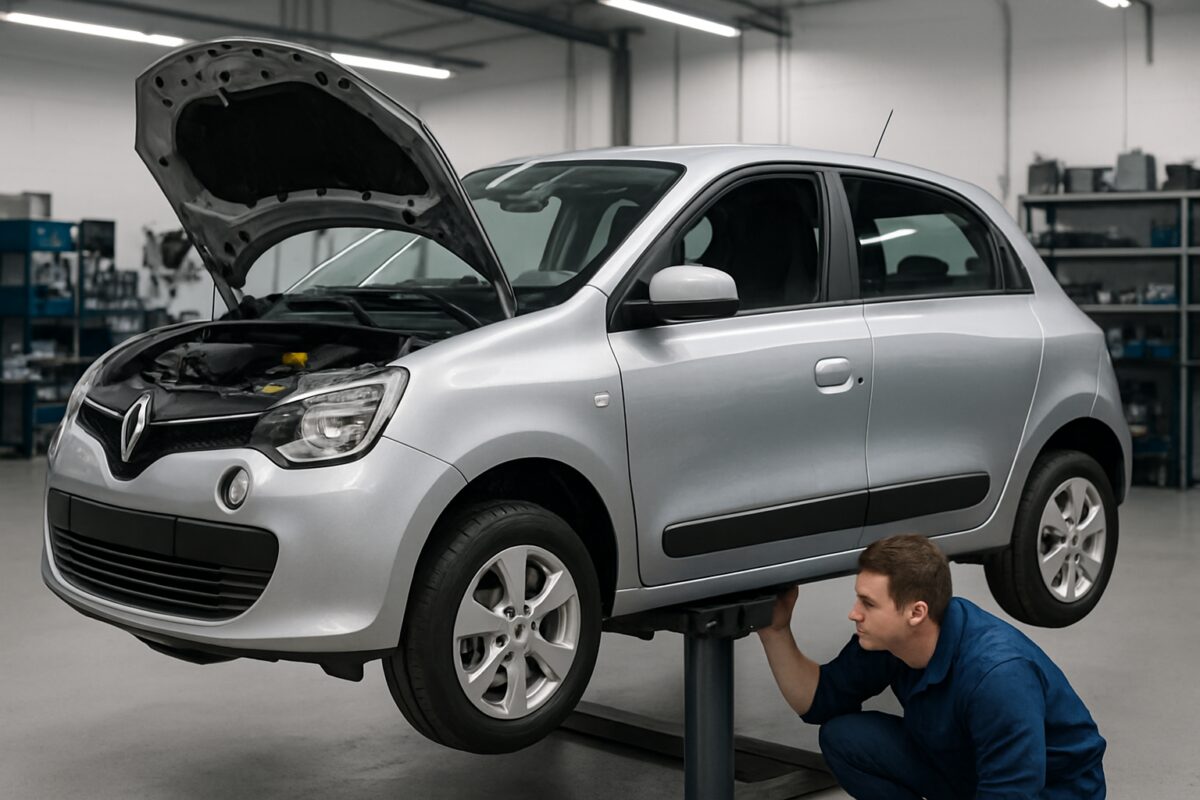
The Renault Twingo has earned its place as a beloved city car across the UK, known for its compact dimensions and quirky rear-engine design. However, like any vehicle, the Twingo comes with its share of common problems that owners should be aware of. Understanding these issues can help you maintain your car properly and avoid costly repairs down the line.
Gearbox transmission problems
One of the most frequently reported issues with the Renault Twingo involves the gearbox system. Many owners experience difficulty shifting gears, particularly when moving from first to second gear. This problem often manifests as grinding noises during gear changes or complete gear selection failure.
The root cause typically lies within the gear linkage mechanism or worn synchroniser rings. Over time, these components deteriorate due to regular use and inadequate lubrication. Our specialists at AutoPartsPro have observed that this issue is particularly common in vehicles with higher mileage, typically beyond 80,000 miles.
Another common transmission fault involves the clutch system becoming heavy or unresponsive. This can make driving in stop-start traffic extremely challenging and may indicate worn clutch components or hydraulic system problems.
Throttle body malfunctions
The throttle body is another problematic component in many Twingo models. Symptoms include erratic idling, poor acceleration response, and engine stalling at traffic lights. These issues often stem from carbon buildup within the throttle body housing, which restricts proper airflow control.
Modern Twingo models feature electronic throttle control systems that can develop sensor faults. When the throttle position sensor fails, the engine management system receives incorrect data, leading to poor performance and increased fuel consumption. Regular cleaning and maintenance of the throttle body can prevent many of these issues.
Professional tip: Clean your throttle body every 20,000 miles using proper throttle body cleaner to prevent carbon buildup and maintain optimal performance.
Electrical system failures
Electrical problems plague many Twingo owners, particularly issues with the central locking system and window mechanisms. The most common complaint involves power windows that move slowly or become completely inoperative. This typically indicates worn window motor brushes or faulty wiring connections.
Dashboard warning lights frequently illuminate without apparent cause, often related to faulty sensors or poor electrical connections. The ABS warning light is particularly troublesome, sometimes triggered by corroded ABS sensors or damaged wheel speed sensors.
Many owners report intermittent starting problems, especially during cold weather. This can indicate issues with the starter motor, battery condition, or ignition system components. Our technicians recommend regular electrical system checks to identify potential problems before they leave you stranded.
Warning signs your car has a problem
Recognising early warning signs can save you from expensive repairs and potential breakdowns. Here are the key indicators that your Twingo needs attention:
- Unusual noises during gear changes or engine operation
- Dashboard warning lights that remain illuminated
- Poor engine performance or irregular idling
- Difficulty starting the engine, especially in cold conditions
- Steering wheel vibration or pulling to one side
How to fix the problems
Understanding repair procedures and costs helps you make informed decisions about your vehicle maintenance. Here’s a comprehensive breakdown of common fixes:
| Problem | Repair Method | Estimated Cost (£) | Time Required |
|---|---|---|---|
| Gearbox linkage | Replace worn bushings and cables | 150-300 | 2-3 hours |
| Throttle body cleaning | Remove and clean with specialised cleaner | 80-150 | 1-2 hours |
| Window motor replacement | Install new motor and test operation | 120-250 | 1.5-2.5 hours |
| ABS sensor replacement | Replace faulty sensor and clear codes | 60-120 | 1 hour |
| Clutch replacement | Full clutch kit installation | 400-800 | 4-6 hours |
Money-saving tip: Address minor issues promptly to prevent them developing into major problems that require expensive repairs or component replacement.
When to see a mechanic
While some maintenance tasks can be performed at home, certain problems require professional attention. Visit a qualified mechanic immediately if you experience complete gear selection failure, as continuing to drive could cause severe transmission damage.
Any electrical issues involving the engine management system should be diagnosed using proper diagnostic equipment. Our experience shows that attempting DIY repairs on complex electrical problems often leads to additional damage and higher repair costs.
If your Twingo exhibits multiple symptoms simultaneously, this often indicates underlying issues that require comprehensive inspection. Professional diagnostics can identify root causes rather than just treating symptoms, potentially saving you money in the long run.
Prevention and maintenance schedule
Regular maintenance prevents many common problems and extends your vehicle’s lifespan. Follow these essential service intervals:
| Service Item | Interval | Benefits |
|---|---|---|
| Engine oil and filter | Every 12 months or 12,000 miles | Prevents engine wear and maintains performance |
| Gearbox oil | Every 40,000 miles | Ensures smooth gear changes and prevents wear |
| Throttle body cleaning | Every 20,000 miles | Maintains proper air/fuel mixture and idle quality |
| Electrical system check | Every 24 months | Identifies potential problems before failure occurs |
- Regular car maintenance prevents unexpected breakdowns
- Quality replacement parts ensure reliable long-term performance
- Professional diagnostics save money by identifying root causes
Frequently asked questions (FAQ)
What causes grinding noises when changing gears in a Renault Twingo?
Grinding typically indicates worn synchroniser rings or clutch problems requiring immediate professional attention.
How often should I clean the throttle body on my Twingo?
Clean the throttle body every 20,000 miles or when experiencing rough idle symptoms.
Why do my power windows move slowly in my Twingo?
Slow windows usually indicate worn motor brushes or failing window regulators needing replacement.
Can I drive with the ABS warning light on?
While driveable, get it checked immediately as ABS functionality may be compromised during emergency braking.
What’s the average lifespan of a Twingo clutch?
Typical clutch life ranges from 60,000-100,000 miles depending on driving style and maintenance.
Final recommendation
The Renault Twingo remains an excellent choice for urban driving despite these common issues. Most problems can be prevented through regular maintenance and prompt attention to warning signs. When problems do arise, using quality replacement parts from reputable suppliers ensures reliable repairs that last.
Our AutoPartsPro specialists recommend establishing a relationship with a trusted mechanic familiar with Renault vehicles. This ensures consistent service quality and helps identify potential problems before they become expensive repairs. Remember that preventive maintenance costs far less than emergency repairs, making regular servicing a wise investment in your vehicle’s longevity.
For OEM car parts and expert advice on maintaining your Twingo, visit our comprehensive parts catalogue where you’ll find everything needed to keep your vehicle running smoothly for years to come.

 Loading...