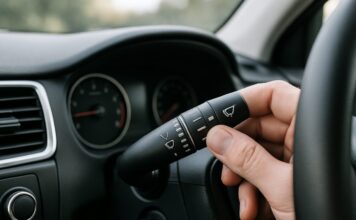


How to check the alternator: diagnosis with and without a multimeter
To check an alternator without a multimeter, observe dashboard warning lights, listen for unusual noises, and check for dim headlights or electrical issues. With a multimeter, test voltage output at idle (13.8-14.4V) and under...

Will a car battery charge at idle?
Yes, your car battery will charge at idle, but the process is slower compared to driving at highway speeds. When your engine runs at idle, the alternator still generates electrical power to charge the...

Shock absorber replacement cost and when to replace it
Shock absorber replacement costs in the UK range from £120-£300 per pair for standard cars, with labour charges of £80-£150. Most vehicles need new shock absorbers every 50,000-80,000 miles, though harsh driving conditions can...

What are car suspension bushes and how much does it cost to replace them
Car suspension bushes are rubber or polyurethane components that act as cushioning joints between metal suspension parts, absorbing vibrations and allowing controlled movement whilst maintaining proper alignment. Replacement costs typically range from £50-£200 per...

How to top up engine coolant in a car and where to put it
To top up engine coolant, locate the coolant reservoir (a translucent plastic tank with minimum and maximum markings), ensure the engine is cold, remove the cap, and slowly add the correct coolant mixture until...

How Much Brake Pads Replacement Cost in the UK?
Brake pad replacement costs in the UK typically range from £75 to £350 per axle, depending on your vehicle type, location, and pad quality. Front brake pads usually cost between £100-250 per axle, whilst...
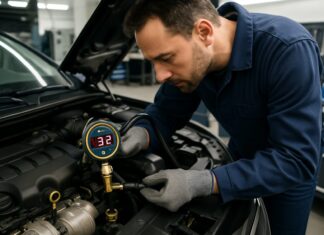
Low Engine Oil Pressure: Symptoms, Causes & Solutions Explained
Low engine oil pressure occurs when your engine's lubrication system fails to maintain adequate pressure to circulate oil effectively. This typically manifests through dashboard warning lights, unusual engine noises, or performance issues. Common causes...

Oil pressure sensor: how it works, failure symptoms, and replacement cost
The oil pressure sensor monitors engine oil pressure and alerts drivers to potentially catastrophic engine problems before permanent damage occurs. This critical component typically costs £15-£80 to replace, with labour adding another £50-£150 depending...
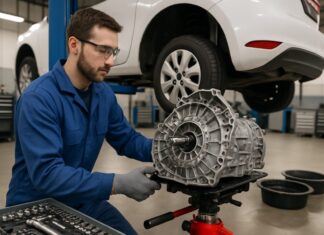
Gearbox Replacement Cost & Warning Signs
Gearbox replacement costs range from £800 to £3,500 depending on your vehicle type and whether you choose a new or remanufactured unit. Warning signs include grinding noises, difficulty shifting gears, burning smells, and fluid...

Oil warning light on car: oil pressure, changes, and signs of low engine oil...
The oil warning light on your car dashboard indicates critical engine lubrication issues that require immediate attention. This amber or red warning symbol typically signals low oil pressure, insufficient oil levels, or oil system...

How and when to replace a catalytic converter
To replace a catalytic converter, you'll need a vehicle-specific catalytic converter, basic hand tools, and safety equipment. The process involves lifting the vehicle, removing the old converter, installing the new one with proper gaskets,...

Spark plug colour: diagnosis, meaning, and how to check
Spark plug colour serves as your engine's diagnostic tool, revealing critical information about combustion health, fuel mixture quality, and potential mechanical issues. A properly functioning spark plug displays a light tan or grey electrode...
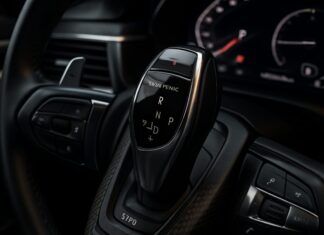
Steptronic transmission: essential information, types, features & technical parameters
Steptronic transmission is BMW's advanced automatic gearbox system that combines the convenience of conventional automatic operation with the control of manual gear selection. This innovative technology allows drivers to switch between fully automatic mode...

What voltage is a car battery?| Full voltage guide & how to check
A standard car battery operates at 12 volts when the engine is off, though the actual reading should be between 12.4V and 12.8V for a fully charged battery. When the engine runs, the alternator...

Low profile tyres: meaning, pressure, problems, advantages and disadvantages
Low profile tyres feature sidewalls that are significantly shorter than standard tyres, typically with an aspect ratio of 55% or lower, creating a sportier appearance whilst providing enhanced handling and road feel. These tyres...

Worn brake discs? Know the top 6 signs
Worn brake discs pose serious safety risks and can be identified through six key warning signs: vibrations through the brake pedal or steering wheel, grinding or squealing noises, increased stopping distances, visible scoring or...

How to bleed a clutch: master & slave cylinder
To bleed a clutch hydraulic system, you'll need a clutch bleeding kit, brake fluid (DOT 3 or DOT 4), and basic tools. The process involves opening the bleeder valve on the slave cylinder, pumping...

Complete Guide to Tow Bar Fitting Cost in the UK
Tow bar fitting costs in the UK typically range from £150 to £800, depending on the vehicle type, tow bar style, and installation complexity. Most standard saloon and hatchback vehicles require a basic fixed...

How do I add AdBlue® to my car and how much of it do...
Adding AdBlue® to your car requires locating the blue-capped filler neck, typically in the boot or near the fuel tank. Pour slowly using a funnel to prevent spillage, adding between 5-20 litres depending on...

Vauxhall brake pads and discs replacement: UK costs, selection and buying options – all...
Vauxhall brake pads and discs replacement costs range from £150-400 per axle in the UK, depending on vehicle model and component quality. Front brake systems typically cost more due to increased workload, with labour...