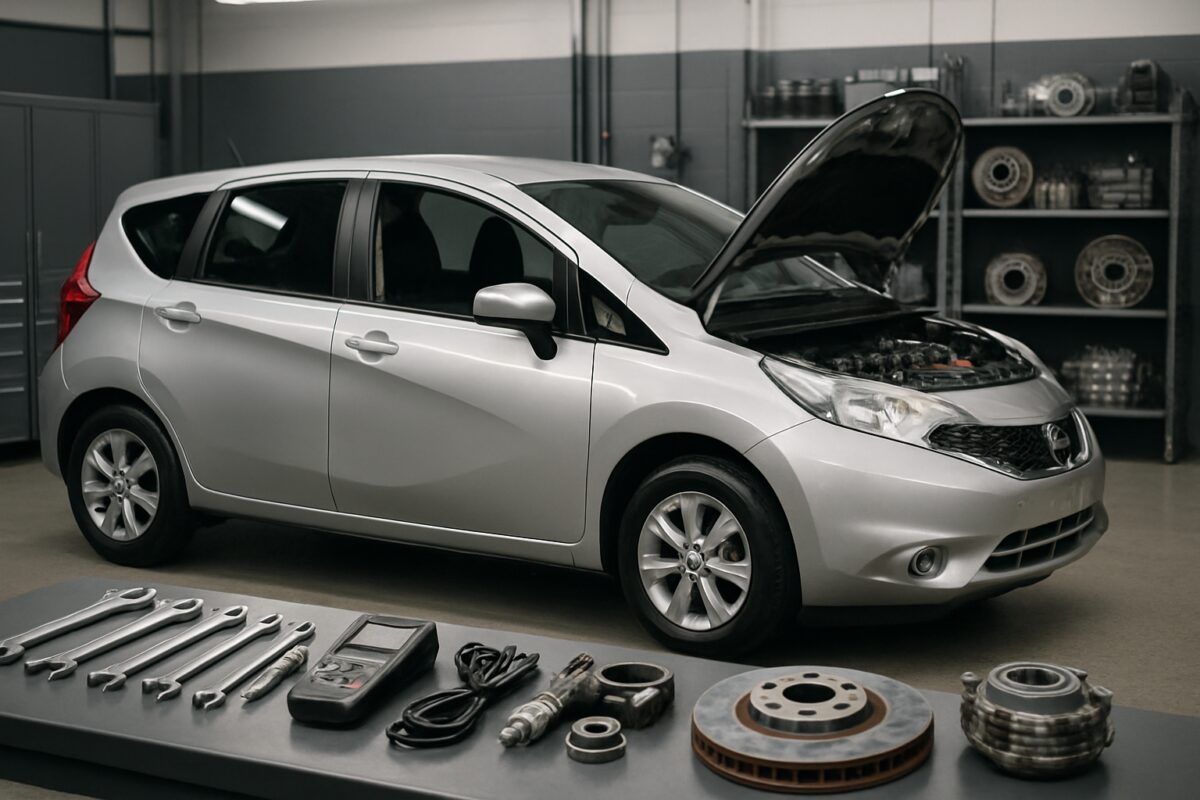
The Nissan Note has proven itself as a reliable family hatchback since its introduction in 2004. However, like any vehicle, it’s not without its common issues that owners should be aware of. Understanding these problems early can save you money and prevent major breakdowns on the road.
CVT transmission failures
The continuously variable transmission (CVT) in later Nissan Note models has become notorious for premature failure. Owners report complete transmission loss around 60,000-80,000 miles, often preceded by jerking motions, whining noises, and delayed acceleration response.
The CVT belt and pulley system deteriorates faster than expected, particularly under stop-start driving conditions common in UK cities. Many owners describe the sensation as the car “hunting” for the right gear ratio, causing uncomfortable lurching during acceleration.
Our Autopartspro mechanics have seen numerous CVT units require complete replacement, with costs ranging from £3,000 to £5,000. The problem stems from inadequate cooling and the CVT fluid breaking down under high temperatures. Regular transmission fluid changes every 30,000 miles can extend the unit’s life significantly.
Fuel pump relay malfunctions
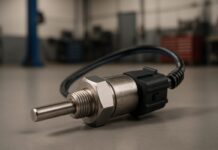
The Nissan Note’s fuel pump relay frequently fails without warning, leaving drivers stranded. This issue affects models from 2006 onwards, with the relay typically located in the engine bay fuse box.
Symptoms include the engine cranking but not starting, intermittent stalling whilst driving, and complete power loss at traffic lights. The relay costs under £15 to replace, but many owners don’t recognise the symptoms until they’re stuck somewhere inconvenient.
The problem occurs because the relay contacts become corroded due to moisture ingress in the fuse box. Heat cycling from the engine bay accelerates this corrosion process. Our technicians recommend keeping a spare relay in your toolkit, as replacement takes less than five minutes once you know the location.
Throttle body carbon buildup
Carbon deposits accumulating in the throttle body cause rough idling, poor acceleration, and increased fuel consumption in Nissan Note models. This issue particularly affects vehicles used for short journeys where the engine doesn’t reach optimal operating temperature.
The direct injection system in newer models exacerbates this problem, as fuel doesn’t wash over the intake valves like in port injection engines. Owners notice the car feeling sluggish, especially when pulling away from junctions or roundabouts.
Professional throttle body cleaning costs £80-£120, but the procedure requires removing the air intake system and using specialised cleaning solvents. Some owners attempt DIY cleaning, though this risks damaging the throttle position sensor if done incorrectly.
Brake disc warping
Premature brake disc warping affects many Nissan Note owners, particularly those doing frequent town driving. The front discs develop an uneven surface that causes steering wheel vibration and pulsing through the brake pedal.
The problem stems from the disc design being too thin for the vehicle’s weight and braking requirements. Heat buildup during heavy braking causes the metal to distort, creating high spots that give the characteristic juddering sensation.
Replacement brake discs and pads typically cost £150-£200 for the front axle. However, choosing thicker aftermarket discs can prevent recurrence of the problem. Our specialists recommend upgrading to performance discs if you do frequent motorway driving or live in hilly areas.
Warning Signs Your Car Has a Problem
Recognising early symptoms can prevent expensive repairs and dangerous breakdowns. Here are the most common warning signs Nissan Note owners should watch for:
- Unusual transmission noises, particularly whining or grinding sounds
- Delayed acceleration response or jerky gear changes
- Engine cranking but failing to start consistently
- Rough idling or stalling at traffic lights
- Steering wheel vibration during braking
Pay attention to dashboard warning lights, especially the engine management light, transmission warning, or ABS indicators. These electronic systems provide early detection of developing problems.
How to fix the problems
| Problem | DIY Solution | Professional Repair Cost | Prevention |
|---|---|---|---|
| CVT Transmission | Regular fluid changes | £3,000-£5,000 | Avoid aggressive driving |
| Fuel Pump Relay | Replace relay (£15) | £50-£80 | Keep spare relay |
| Throttle Body | Clean with spray | £80-£120 | Regular motorway drives |
| Brake Discs | Replace pads early | £150-£200 | Avoid heavy braking |
Professional tip: Always replace fuel pump relays in pairs, as they tend to fail around the same time due to identical operating conditions.
When to See a Mechanic
While some Nissan Note problems can be addressed with basic maintenance, certain issues require professional diagnosis and repair. Transmission problems should never be ignored, as continuing to drive can cause catastrophic damage.
Book an immediate appointment if you experience complete power loss, unusual noises from the transmission, or if warning lights illuminate on the dashboard. These symptoms often indicate serious mechanical problems that worsen rapidly.
For routine maintenance like brake disc replacement or throttle body cleaning, schedule appointments during quieter periods. Many garages offer better rates for non-emergency work booked in advance.
Expert advice: Don’t ignore minor symptoms hoping they’ll disappear. Early intervention typically costs a fraction of major repairs needed after component failure.
Common maintenance schedules
| Component | Inspection Interval | Replacement Interval | Signs of Wear |
|---|---|---|---|
| Brake Pads | Every 10,000 miles | 20,000-30,000 miles | Squealing, grinding noise |
| CVT Fluid | Every 20,000 miles | 30,000-40,000 miles | Dark colour, burning smell |
| Air Filter | Every 12,000 miles | 15,000-20,000 miles | Reduced performance |
| Spark Plugs | Every 15,000 miles | 30,000-50,000 miles | Rough idling, misfiring |
Frequently Asked Questions (FAQ)
How long do Nissan Note CVT transmissions typically last?
Most CVT units fail between 60,000-100,000 miles, though proper maintenance can extend this significantly with regular fluid changes.
Can I drive my Nissan Note with a failing fuel pump relay?
No, a failing relay will cause complete engine shutdown without warning, potentially creating dangerous situations on busy roads.
Is throttle body cleaning something I can do myself?
Basic cleaning is possible with throttle body cleaner spray, but professional cleaning ensures proper calibration and prevents sensor damage.
How often should brake discs be replaced on a Nissan Note?
Front discs typically need replacement every 30,000-50,000 miles, depending on driving conditions and brake pad quality used previously.
Are Nissan Note problems covered under extended warranties?
Coverage varies by warranty provider, but CVT issues are often excluded as wear items after certain mileage thresholds.
Additional resources for Nissan Note owners include our guides on DIY maintenance, MOT preparation, and used car buying.
Final Recommendation
The Nissan Note remains a practical family car despite these common problems. Most issues are preventable through regular maintenance and early intervention when symptoms appear. Keep spare relays in your toolkit and don’t ignore warning signs from your transmission.
For current Note owners, budget for CVT maintenance and consider upgrading brake components if you do heavy stop-start driving. Potential buyers should have any used Note professionally inspected, particularly the transmission and braking systems.
Our Autopartspro team recommends following manufacturer service schedules religiously and addressing minor issues before they become expensive repairs. With proper care, your Nissan Note can provide reliable family transport for many years. For quality replacement parts and expert advice, explore our comprehensive range of automotive components designed to keep your vehicle running smoothly.

 Loading...