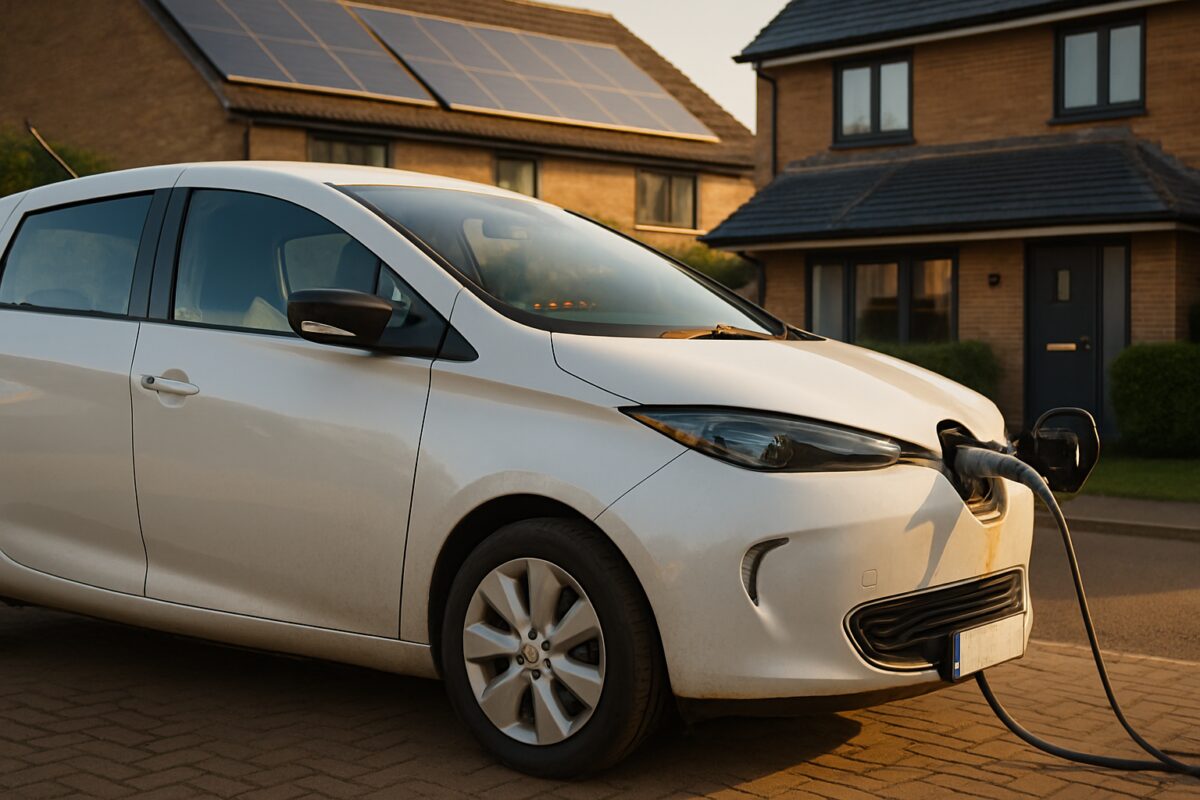
The Renault Zoe has become a popular choice for electric vehicle enthusiasts across the UK, offering affordable electric mobility with impressive range and practical features. However, like any vehicle, the Zoe has experienced several recurring issues that owners should be aware of. Understanding these common problems can help you maintain your electric car properly and know when professional assistance is required.
Battery degradation and range loss
One of the most significant concerns affecting Renault Zoe owners is battery degradation over time. Early models particularly suffer from noticeable capacity reduction, which directly impacts the vehicle’s driving range.
The original 22kWh battery pack in pre-2016 models tends to lose approximately 10-15% of its capacity after five years of regular use. This translates to a reduction in real-world range from the advertised 150 miles to around 120-130 miles on a full charge. Cold weather exacerbates this issue, with some owners reporting range drops of up to 30% during winter months.
Later models with 41kWh and 52kWh battery packs show better longevity, but degradation still occurs. The lithium-ion cells are particularly sensitive to extreme temperatures and frequent rapid charging cycles. Owners who primarily use fast chargers rather than slow overnight charging often experience accelerated battery degradation.
Battery rental schemes, whilst reducing initial purchase costs, can become expensive over the vehicle’s lifetime. Monthly rental fees range from £49 to £110 depending on mileage and battery capacity, potentially adding thousands to ownership costs over several years.
Charging system malfunctions
Charging-related problems represent another common source of frustration for Zoe owners. The vehicle’s charging port can develop connectivity issues, preventing proper charging or causing intermittent failures.
The Type 2 charging connector sometimes becomes loose or corroded, particularly in older models exposed to harsh weather conditions. This can result in slow charging speeds or complete charging failures. The charging flap mechanism is also prone to breaking, with the spring-loaded cover becoming stuck or failing to close properly.
Internal charging components, including the onboard charger and charging control module, can malfunction. These failures often manifest as error messages on the dashboard display or the vehicle refusing to accept charge from public charging points. Some owners report that their Zoe will charge at home but not at public rapid chargers, or vice versa.
Software glitches in the charging system can cause the vehicle to stop charging unexpectedly during the process. This is particularly problematic for owners relying on timed charging to take advantage of cheaper overnight electricity rates. The charging scheduling feature may fail to activate or stop charging prematurely.
Electric motor and drivetrain issues
Whilst electric motors are generally more reliable than internal combustion engines, the Renault Zoe has experienced specific drivetrain problems that affect performance and drivability.
The most commonly reported issue is a loss of power during acceleration, often accompanied by warning lights on the dashboard. This can occur suddenly whilst driving, creating potentially dangerous situations, especially when joining motorways or overtaking. The problem typically stems from thermal protection systems activating when the motor or inverter overheats.
Some owners have experienced complete drive motor failure, resulting in the vehicle entering “limp mode” with severely restricted power output. This issue appears more prevalent in early production models and can require expensive motor replacement if occurring outside warranty periods.
The reduction gearbox, whilst simpler than traditional transmissions, can develop mechanical problems. Bearing failures and gear wear have been reported, typically manifesting as unusual noises during acceleration or deceleration. These issues often require complete gearbox replacement, representing a significant repair cost.
Regenerative braking system malfunctions can affect both energy recovery and vehicle safety. Some Zoe models experience reduced regenerative braking effectiveness, impacting both range and the need for more frequent use of conventional brake pads.
Software and electronic system faults
Modern electric vehicles rely heavily on software systems, and the Renault Zoe has experienced various electronic malfunctions that can significantly impact usability and owner satisfaction.
The R-Link infotainment system frequently suffers from freezing, slow response times, and complete system crashes. Navigation updates may fail to install properly, and smartphone connectivity through Android Auto or Apple CarPlay often proves unreliable. These software issues typically require dealer intervention and system resets.
Climate control systems can malfunction, with the air conditioning compressor failing prematurely in some models. This is particularly problematic in electric vehicles where efficient climate control directly affects driving range. Some owners report that the heating system draws excessive power, significantly reducing available range during cold weather.
Dashboard warning lights may illuminate without corresponding faults, creating confusion and unnecessary dealer visits. Common false alerts include battery temperature warnings, charging system errors, and service reminders that appear prematurely.
The keyless entry system can become unreliable, with some owners unable to unlock their vehicles or experiencing random locking and unlocking. This issue often requires replacement of the key fob or reprogramming of the vehicle’s security system.
Warning signs your car has a problem
Recognising early warning signs can help prevent minor issues from becoming major problems. Pay attention to these key indicators:
- Sudden reduction in driving range without corresponding battery degradation
- Charging sessions taking significantly longer than normal
- Unusual noises from the motor during acceleration or deceleration
- Dashboard warning lights remaining illuminated after restarting
- Intermittent loss of power during driving
- Infotainment system freezing or restarting randomly
- Air conditioning or heating system not functioning properly
- Keyless entry becoming unreliable or unresponsive
- Charging port showing signs of damage or corrosion
- Vehicle entering limp mode or restricted power output
- Error messages appearing during charging attempts
- Excessive battery temperature warnings in normal conditions
- Regenerative braking feeling less effective than usual
- Strange smells from electrical components or air conditioning
- Vehicle systems not responding to commands
How to fix the problems
| Problem | DIY Solution | Professional Required | Estimated Cost |
|---|---|---|---|
| Battery degradation | Optimise charging habits | Battery replacement | £5,000-£8,000 |
| Charging port issues | Clean connections | Port replacement | £200-£500 |
| Software glitches | System restart | Software update/reset | £50-£150 |
| Motor problems | None recommended | Motor repair/replacement | £3,000-£6,000 |
| Climate control faults | Check fuses | Compressor replacement | £800-£1,200 |
Professional tip: Always use the correct charging cable and avoid rapid charging in extremely hot weather. This simple practice can extend battery life significantly and prevent many charging-related issues.
| Maintenance Task | Frequency | Importance | Cost Range |
|---|---|---|---|
| Software updates | As available | High | £0-£100 |
| Battery health check | Annually | Critical | £50-£100 |
| Charging port inspection | Every 6 months | Medium | £0-£50 |
| 12V auxiliary battery | Every 3-4 years | High | £100-£200 |
| Brake fluid replacement | Every 2 years | Critical | £80-£120 |
Expert advice from AutoPartsPro specialists: Regular software updates are crucial for electric vehicles. Many reported problems can be resolved through manufacturer software patches, so always ensure your Zoe runs the latest firmware version.
When to see a mechanic
Certain problems require immediate professional attention to ensure safety and prevent further damage. Contact a qualified electric vehicle technician if you experience any loss of power whilst driving, as this could indicate serious motor or battery management system failures.
Persistent charging failures warrant professional diagnosis, especially if multiple charging points are affected. This often indicates internal component failures that require specialised diagnostic equipment to identify and repair properly.
Any unusual smells, particularly electrical or chemical odours, should prompt immediate professional inspection. Electric vehicle battery systems can present safety risks if damaged, making expert assessment essential.
If dashboard warning lights remain illuminated after restarting the vehicle, seek professional diagnosis. Modern electric vehicles have complex safety systems that may prevent normal operation if faults are detected.
For owners experiencing multiple concurrent issues or problems that recur despite previous repairs, comprehensive system diagnosis by an authorised Renault dealer may be necessary to identify underlying causes.
How often should I have my Renault Zoe serviced?
Renault recommends annual servicing for the Zoe, focusing on software updates, brake system checks, and battery health assessment.
Can I replace the Zoe’s battery myself?
No, battery replacement requires specialist equipment and training. Only authorised technicians should handle high-voltage battery systems for safety reasons.
Why does my Zoe’s range decrease significantly in winter?
Cold temperatures reduce battery efficiency and cabin heating systems consume additional power, typically reducing range by 20-30% in winter.
Are Renault Zoe charging problems covered under warranty?
Manufacturing defects are typically covered, but damage from misuse or normal wear may not be. Check your specific warranty terms.
How can I maximise my Zoe’s battery life?
Avoid frequent rapid charging, maintain charge levels between 20-80%, and park in moderate temperatures when possible to optimise battery longevity.
Final recommendation
The Renault Zoe remains a capable electric vehicle despite these common issues. Most problems can be prevented through proper maintenance and careful use. Regular battery care and staying current with software updates significantly reduce the likelihood of major failures. For existing owners experiencing problems, prompt professional attention often prevents minor issues from becoming expensive repairs.
When purchasing a used Zoe, thorough inspection of the battery condition, charging system, and service history is essential. Consider extended warranties for older models, particularly those approaching the end of manufacturer coverage. Despite its flaws, the Zoe offers an affordable entry point into electric vehicle ownership when maintained properly.
For optimal ownership experience, establish a relationship with a qualified electric vehicle specialist and follow manufacturer maintenance schedules. With proper care and attention, many Zoe owners enjoy years of reliable electric motoring despite the model’s known issues.

 Loading...