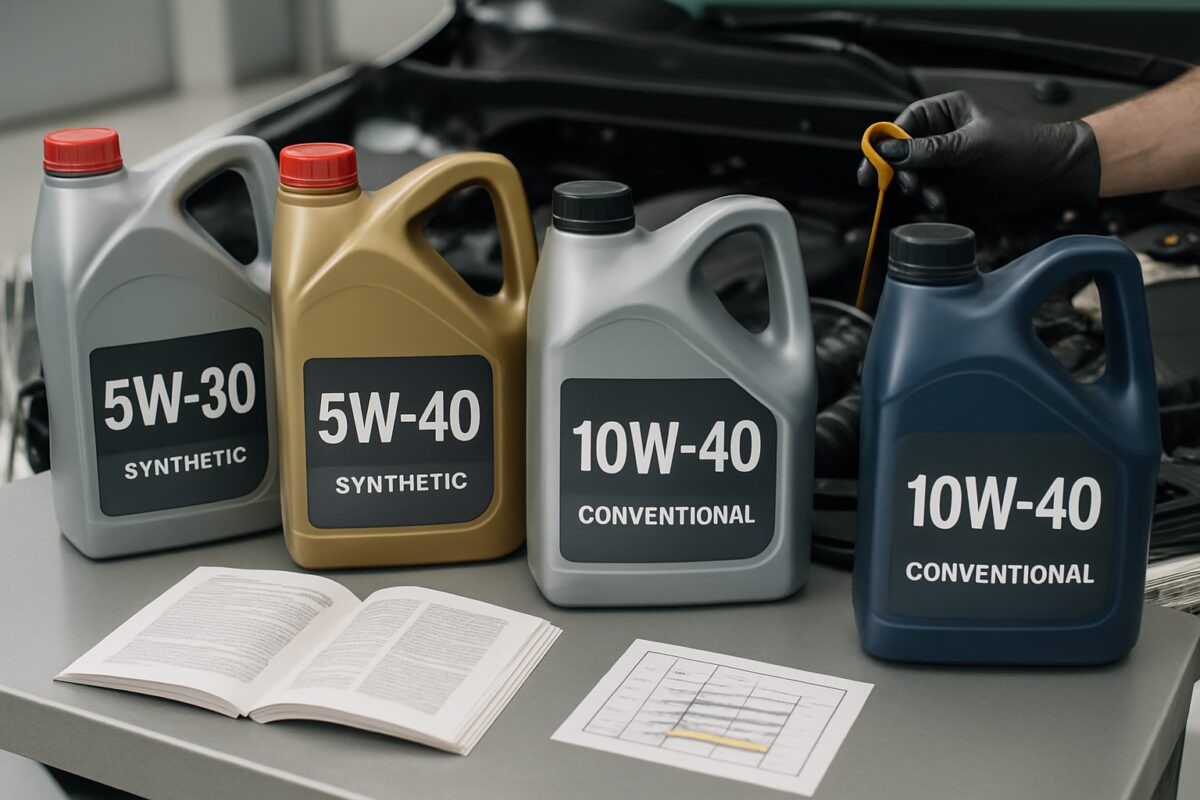
Choosing the correct engine oil for your car depends on your engine type (petrol or diesel), viscosity requirements, and manufacturer specifications. Modern petrol engines typically require 5W-30 or 5W-40 oil grades, whilst diesel engines often need 5W-40 or 10W-40 viscosities. Always check your owner’s manual for the precise oil specification, as using the wrong grade can damage your engine and void your warranty.
Understanding which engine oil suits your vehicle is crucial for maintaining optimal performance and longevity. The automotive experts at AutopartsPro have analysed thousands of vehicles across the UK market to provide this comprehensive guide.
Understanding oil viscosity grades and their importance
Oil viscosity represents the fluid’s resistance to flow at different temperatures. The numbers before and after the ‘W’ (Winter) indicate the oil’s thickness at cold and operating temperatures respectively. For example, 5W-30 oil flows like a 5-weight oil when cold and maintains 30-weight characteristics when hot.
Lower viscosity oils (0W, 5W) flow more easily during cold starts, reducing engine wear. Higher operating temperature viscosities (30, 40, 50) provide better protection under heavy loads and high temperatures. Modern engines benefit from lower viscosity oils for improved fuel economy and reduced emissions.
The Society of Automotive Engineers (SAE) classification system ensures consistency across manufacturers. Premium oil brands like Castrol, Shell, and Mobil adhere to these standards whilst developing advanced additive packages.
Petrol engine oil requirements
Petrol engines operate differently from diesels, running at higher RPMs with cleaner combustion. They require oils specifically formulated for spark ignition characteristics and volatility control.
Most modern petrol engines benefit from these viscosity grades:
- 5W-30: Excellent for fuel economy and all-season protection in most UK conditions
- 5W-40: Better for high-performance engines and older vehicles with higher mileage
- 0W-20: Specified for newest engines requiring maximum fuel efficiency
- 10W-40: Suitable for warmer climates and older petrol engines
European petrol engines often specify ACEA A3/B4 or A5/B5 classifications. These standards ensure compatibility with emission control systems and extended service intervals. Always verify your vehicle’s specific requirements before purchasing.
High-performance petrol engines
Performance vehicles, including those with turbocharging or supercharging, demand higher quality oils. These engines generate more heat and stress, requiring oils with superior thermal stability and anti-wear protection.
Racing-derived formulations often feature synthetic base stocks and advanced friction modifiers. Our mechanics recommend changing oil more frequently in high-performance applications, typically every 5,000-7,500 miles rather than manufacturer intervals.
Diesel engine oil specifications
Diesel engines create different byproducts compared to petrol units, including higher levels of soot and combustion acids. Diesel oils contain specific additives to neutralise these contaminants and prevent deposit formation.
Common diesel oil viscosities include:
- 5W-40: Most popular for modern turbodiesel engines across temperature ranges
- 5W-30: Increasingly specified for latest Euro 6 engines prioritising fuel economy
- 10W-40: Traditional choice for older diesels and commercial vehicles
- 15W-40: Heavy-duty applications and high-mileage diesels
Diesel particulate filters (DPF) require Low SAPS (Sulphated Ash, Phosphorus, Sulphur) oils to prevent clogging. Look for C1, C2, C3, or C4 classifications when your vehicle has emission control equipment.
Commercial diesel applications
Vans, trucks, and commercial vehicles often operate under severe conditions requiring robust oil formulations. Extended service intervals and heavy loads demand oils with exceptional shear stability and oxidation resistance.
Our AutopartsPro specialists recommend monitoring oil filters closely in commercial applications, as they work harder to remove combustion contaminants. Regular analysis helps identify potential issues before expensive repairs become necessary.
Synthetic vs conventional vs semi-synthetic oils
Oil base stock quality significantly affects performance and longevity. Understanding the differences helps you make informed decisions about your vehicle’s lubrication needs.
| Oil Type | Benefits | Drawbacks | Best Applications |
|---|---|---|---|
| Conventional | Lower cost, readily available | Shorter service life, limited temperature range | Older engines, basic driving conditions |
| Semi-synthetic | Better protection than conventional, moderate cost | Not as advanced as full synthetic | Modern engines, mixed driving conditions |
| Full Synthetic | Maximum protection, extended intervals, wide temperature range | Higher initial cost | High-performance engines, extreme conditions |
Synthetic oils offer superior molecular uniformity, providing consistent protection across temperature extremes. They resist breakdown under stress and maintain viscosity longer than conventional alternatives. This translates to better fuel economy and reduced engine wear over time.
How to determine your car’s oil requirements
Several methods help identify the correct oil specification for your vehicle. Start with your owner’s manual, which contains manufacturer recommendations based on extensive testing and engineering requirements.
Modern vehicles display oil specifications on the engine bay or oil filler cap. Look for viscosity grades (5W-30) and approval standards (ACEA, API). Some manufacturers use proprietary specifications like VW 504.00 or BMW LL-01.
The following numbered list outlines the research process:
- Consult owner’s manual for primary oil specification
- Check engine bay labels for viscosity and approval codes
- Verify current oil grade by examining existing oil container
- Research manufacturer updates or service bulletins
- Confirm compatibility with emission control systems
Online databases and manufacturer websites provide detailed compatibility information. When in doubt, contact your local dealer or qualified mechanic for specific guidance about your vehicle’s requirements.
Reading oil approval standards
Understanding approval standards prevents costly mistakes when selecting engine oil. API (American Petroleum Institute) classifications like SN, SP for petrol or CK-4 for diesel indicate minimum performance levels.
European ACEA standards are more stringent, with specific categories for petrol (A), diesel (B), and catalyst-compatible oils (C). Always choose oils meeting or exceeding your vehicle’s specified approval level.
Pro tip: Never mix different oil brands or viscosities unless absolutely necessary in emergency situations. Different additive packages can interact unpredictably, reducing overall protection levels.
Oil change intervals and maintenance schedules
Proper maintenance intervals maximise engine life whilst minimising operational costs. Modern vehicles feature sophisticated service interval systems based on driving conditions, oil quality sensors, and engine operating parameters.
Typical service intervals vary significantly based on several factors:
| Driving Conditions | Oil Type | Recommended Interval | Filter Change |
|---|---|---|---|
| Normal | Conventional | 6,000-7,500 miles | Every change |
| Normal | Full Synthetic | 10,000-15,000 miles | Every change |
| Severe | Conventional | 3,000-5,000 miles | Every change |
| Severe | Full Synthetic | 7,500-10,000 miles | Every change |
Severe conditions include frequent short trips, dusty environments, extreme temperatures, or heavy towing. These situations accelerate oil degradation and require more frequent changes regardless of manufacturer recommendations.
Our technical team at AutopartsPro suggests monitoring oil condition between services. Check colour, consistency, and level monthly to identify potential issues early. Dark, thick oil or unusual odours indicate immediate attention requirements.
Common oil selection mistakes to avoid
Selecting incorrect engine oil can cause immediate damage or long-term reliability issues. Understanding common mistakes helps prevent expensive repairs and maintains warranty coverage.
Using wrong viscosity grades affects engine protection and fuel economy. Too thick oils increase drag and reduce efficiency, whilst too thin oils provide inadequate protection under load. Always follow manufacturer specifications rather than generic recommendations.
Mixing synthetic and conventional oils isn’t necessarily harmful short-term, but reduces the synthetic oil’s advanced properties. Different additive packages may not work synergistically, compromising overall protection levels.
Brand compatibility considerations
Whilst major oil brands meet industry standards, switching between manufacturers requires consideration of additive compatibility. Some European vehicles specify particular brand approvals, making alternatives potentially unsuitable despite meeting basic requirements.
Quality oil filters are equally important as the lubricant itself. Cheap filters may bypass or fail, allowing contaminants to circulate and cause engine damage.
Climate considerations for UK drivers
British weather patterns influence oil selection, particularly during winter months when cold starts stress engines most. Lower viscosity oils provide better protection during freezing conditions common across the UK.
Scotland and northern England experience harsher winters requiring 0W or 5W oils for optimal cold-start protection. Southern regions with milder climates can successfully use 5W or 10W grades year-round.
Seasonal oil changes aren’t necessary with modern multi-grade formulations. Quality 5W-30 or 5W-40 oils provide adequate protection across typical UK temperature ranges whilst maintaining fuel efficiency benefits.
High mileage vehicle considerations
Vehicles exceeding 75,000 miles often benefit from high-mileage oil formulations. These products contain seal conditioners and viscosity improvers designed for aging engines with increased tolerances.
High-mileage oils help reduce leaks, minimise consumption, and restore compression in worn engines. They bridge the gap between conventional maintenance and major mechanical work, extending vehicle service life cost-effectively.
Environmental impact and disposal
Responsible oil disposal protects the environment whilst complying with UK regulations. Used engine oil contains harmful contaminants but can be recycled into new lubricants or other petroleum products.
Local councils provide waste oil collection points, and many retailers accept used oil from customers. Never dispose of oil in drains, sewers, or general waste, as contamination persists for decades in soil and water systems.
Modern synthetic oils reduce environmental impact through extended service intervals and improved fuel economy. Though initially more expensive, they provide better long-term value whilst reducing waste generation.
Selecting the proper engine oil ensures optimal vehicle performance, reliability, and longevity. Whether your car runs on petrol or diesel, understanding viscosity requirements, approval standards, and maintenance intervals helps you make informed decisions. Regular oil changes with quality products from AutopartsPro protect your investment whilst maintaining manufacturer warranty coverage throughout your vehicle’s service life.
Frequently Asked Questions (FAQ)
Can I use 5W-40 instead of 5W-30 in my petrol car?
Generally yes, but check your manual first. 5W-40 provides slightly more protection but may reduce fuel economy marginally in engines designed for 5W-30.
How often should I change my diesel car’s engine oil?
Modern diesels typically require changes every 10,000-20,000 miles, but severe driving conditions may necessitate more frequent intervals every 5,000-7,500 miles.
Is synthetic oil worth the extra cost for older cars?
Yes, synthetic oil provides superior protection and can help older engines run cleaner and longer, though high-mileage formulations may be more appropriate.
What happens if I mix different oil brands?
Mixing brands meeting the same specifications is generally safe short-term, but different additive packages may reduce overall protection effectiveness.
Can wrong engine oil damage my car’s warranty?
Yes, using oil that doesn’t meet manufacturer specifications can void warranty coverage and potentially cause expensive engine damage requiring costly repairs.

 Loading...