A manual transmission clutch should typically last between 60,000 to 100,000 miles with proper driving habits, whilst DSG automatic clutches can endure up to 120,000 miles or more. However, clutch lifespan varies significantly based on driving conditions, maintenance quality, and vehicle usage patterns. City driving with frequent stop-and-go traffic reduces clutch longevity, whereas motorway driving extends it considerably.
Understanding clutch systems and their lifespan expectations
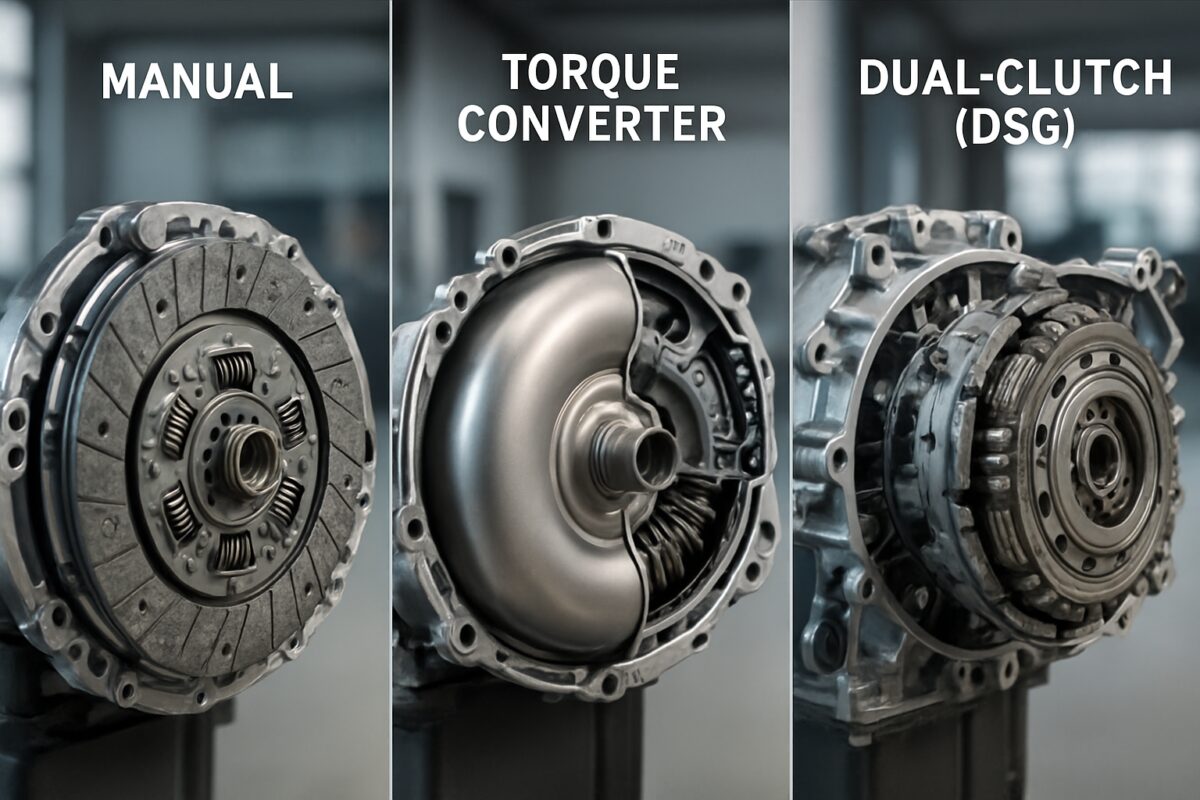
Modern vehicle transmissions employ different clutch technologies, each with distinct durability characteristics. Manual transmission systems utilise a single clutch plate that engages and disengages mechanically, whilst automatic and DSG systems employ multiple clutch assemblies operating hydraulically.
According to Autopartspro’s certified mechanics, clutch longevity depends on several critical factors that vehicle owners can influence through proper maintenance and driving techniques.
Manual transmission clutch durability
Traditional manual gearboxes feature mechanical clutch systems that require driver input for gear changes. These systems typically demonstrate robust longevity when operated correctly.
The primary components affecting manual clutch lifespan include:
- Friction material quality on the clutch disc
- Pressure plate spring tension and wear patterns
- Release bearing condition and lubrication
- Flywheel surface condition and resurfacing requirements
- Hydraulic system integrity in master cylinder operations
Automatic transmission clutch expectations
Automatic transmissions employ torque converters and internal clutch packs rather than traditional clutch assemblies. These systems generally require less frequent replacement but demand regular fluid maintenance.
Modern automatic transmissions can achieve impressive longevity when serviced appropriately. Our specialists recommend transmission fluid changes every 40,000 to 60,000 miles to maintain optimal clutch pack performance.
| Transmission Type | Expected Mileage Range | Maintenance Interval | Common Issues |
|---|---|---|---|
| Manual | 60,000 – 100,000 miles | Clutch fluid annually | Slipping, juddering |
| Automatic | 100,000 – 150,000 miles | Fluid change 40,000 miles | Harsh shifts, delay |
| DSG | 80,000 – 120,000 miles | Service every 40,000 miles | Mechatronic faults |
DSG dual-clutch system characteristics and maintenance
Direct Shift Gearbox (DSG) technology combines manual transmission efficiency with automatic convenience through dual-clutch operation. These sophisticated systems require specialised maintenance protocols to achieve optimal lifespan.
DSG transmissions utilise two separate clutches operating alternately, enabling seamless gear transitions without power interruption. This technology delivers enhanced fuel economy and performance compared to traditional automatics.
DSG service requirements and intervals
Volkswagen Group’s DSG systems demand regular service intervals to maintain clutch pack integrity and prevent costly repairs. Neglecting scheduled maintenance significantly reduces system longevity.
Critical DSG maintenance includes:
- Transmission oil and filter replacement every 40,000 miles
- Mechatronic unit software updates when available
- Clutch adaptation procedures after component replacement
- Cooling system inspection for temperature regulation
- Electrical connection integrity verification
“DSG systems require precise maintenance timing. Delaying service intervals by even 10,000 miles can result in premature clutch wear and expensive mechatronic unit failures,” advises our lead transmission specialist.
Identifying clutch wear symptoms and replacement indicators
Recognising early warning signs enables proactive maintenance before complete clutch failure occurs. Different transmission types exhibit distinct wear patterns requiring specific diagnostic approaches.
Manual transmission clutch wear typically manifests through slipping symptoms during acceleration, particularly when climbing hills or carrying heavy loads. The clutch pedal may feel spongy or require excessive travel before engagement occurs.
Manual clutch warning signs
Experienced mechanics identify manual clutch deterioration through several observable symptoms that develop progressively over time.
Primary manual clutch wear indicators include:
- Slipping during acceleration or hill climbing
- Burning smell from excessive friction heat
- Difficulty engaging gears cleanly
- Clutch pedal vibration or juddering
- Increased pedal effort requirement
Automatic and DSG system deterioration signs
Automatic transmissions and DSG systems demonstrate wear through shifting characteristics and operational smoothness changes. These symptoms often develop gradually before becoming pronounced.
Professional diagnostics help distinguish between minor adjustments and major component replacement requirements. Early intervention frequently prevents extensive damage.
| Symptom | Manual | Automatic | DSG |
|---|---|---|---|
| Slipping | High RPM, no acceleration | Delayed engagement | Power loss between shifts |
| Noise | Squealing when pressed | Whining during shifts | Grinding or clicking |
| Feel | Spongy pedal | Harsh shifts | Jerky engagement |
Factors affecting clutch longevity and performance
Multiple variables influence clutch system durability, from driving habits to environmental conditions. Understanding these factors enables drivers to maximise component lifespan through informed decisions.
Urban driving environments present unique challenges for clutch systems, particularly manual transmissions requiring frequent engagement cycles. Traffic congestion forces repeated clutch operation, accelerating wear patterns.
Driving style impact on clutch wear
Aggressive driving techniques significantly reduce clutch lifespan across all transmission types. Smooth, progressive inputs extend component durability whilst maintaining vehicle performance.
Harmful driving practices include:
- Riding the clutch pedal during normal driving
- Holding the vehicle on hills using clutch slip
- Racing engine speeds during engagement
- Abrupt clutch release causing shock loading
- Excessive idling with clutch partially engaged
Furthermore, our technical specialists emphasise that proper clutch replacement techniques ensure optimal performance from new components. Professional installation prevents premature failure whilst maintaining warranty coverage.
Environmental and mechanical factors
Operating conditions dramatically affect clutch system longevity through temperature extremes, contamination, and mechanical stress patterns. Regular maintenance addresses these challenges proactively.
Climate considerations include temperature fluctuations affecting hydraulic fluid viscosity and seal integrity. Contaminated environments introduce abrasive particles accelerating component wear.
Cost considerations for clutch replacement and maintenance
Clutch replacement represents a significant maintenance investment requiring careful planning and quality component selection. Understanding cost factors helps vehicle owners make informed decisions about repair timing and parts quality.
Manual transmission clutch replacement typically costs between £400 to £1,200 depending on vehicle complexity and component quality. Labour charges constitute approximately 60% of total replacement costs due to transmission removal requirements.
For comprehensive guidance on brake system maintenance alongside clutch care, our technical resources provide detailed procedures for optimal vehicle performance.
Component quality and warranty considerations
OEM (Original Equipment Manufacturer) components typically offer superior longevity compared to budget alternatives, justifying higher initial costs through extended service life. Quality clutch kits include comprehensive component packages ensuring compatibility and performance.
Premium clutch systems incorporate advanced materials and engineering tolerances delivering enhanced durability under demanding conditions. These investments prove cost-effective over extended ownership periods.
Maintenance strategies for optimal clutch performance
Proactive maintenance extends clutch system lifespan whilst preventing unexpected failures. Regular inspections identify developing issues before they require expensive repairs.
Hydraulic clutch systems require periodic brake fluid inspection and replacement to maintain proper operation. Contaminated fluid causes internal corrosion and seal deterioration.
Effective maintenance schedules incorporate:
- Annual hydraulic system inspection and fluid testing
- Clutch adjustment verification for cable-operated systems
- Flywheel condition assessment during routine services
- Transmission mount inspection for excessive movement
- Drive shaft component evaluation for related wear
Additionally, understanding oil change procedures helps maintain overall drivetrain health supporting clutch system operation. Clean lubricants reduce contamination risks affecting clutch performance.
Professional servicing versus DIY maintenance
Complex modern transmissions benefit from professional diagnostic capabilities and specialised tooling requirements. However, basic maintenance tasks remain accessible to competent DIY mechanics with appropriate equipment.
Professional services provide warranty protection and technical expertise for complex procedures like DSG adaptations or automatic transmission rebuilds. These investments protect against costly mistakes during critical repairs.
Regular clutch system care, combined with quality replacement components and professional installation when required, ensures reliable vehicle operation for many years. Understanding your transmission type’s specific requirements enables informed maintenance decisions supporting optimal longevity and performance.
Frequently asked questions
How do I know if my clutch is slipping?
Engine RPM increases without corresponding acceleration, particularly noticeable during hill climbing or heavy acceleration. You’ll also detect burning odours from overheated friction materials.
Can I drive with a slipping clutch?
Limited driving is possible but inadvisable. Continued operation risks flywheel damage, complete clutch failure, and potential safety hazards from sudden power loss.
Why do DSG clutches fail earlier than expected?
Inadequate servicing intervals, aggressive driving, and mechatronic unit software issues contribute to premature DSG clutch wear. Regular maintenance prevents most failures.
Should I replace the flywheel with a new clutch?
Flywheel inspection determines replacement necessity. Scored or warped surfaces require resurfacing or replacement to ensure proper clutch operation and longevity.
How much does clutch replacement cost in the UK?
Manual clutch replacement costs £400-£1,200, automatic rebuilds £1,500-£3,000, and DSG services £800-£2,500 depending on vehicle complexity and component quality.

 Loading...