The BMW 1 Series has earned a reputation for spirited driving dynamics and premium build quality. However, like any vehicle, certain generations suffer from recurring issues that owners should understand. This article examines the BMW 1 Series: problems and common defects, drawing on insights from Autopartspro’s experienced mechanics who regularly diagnose and repair these compact executive cars across the UK.
Timing chain failure
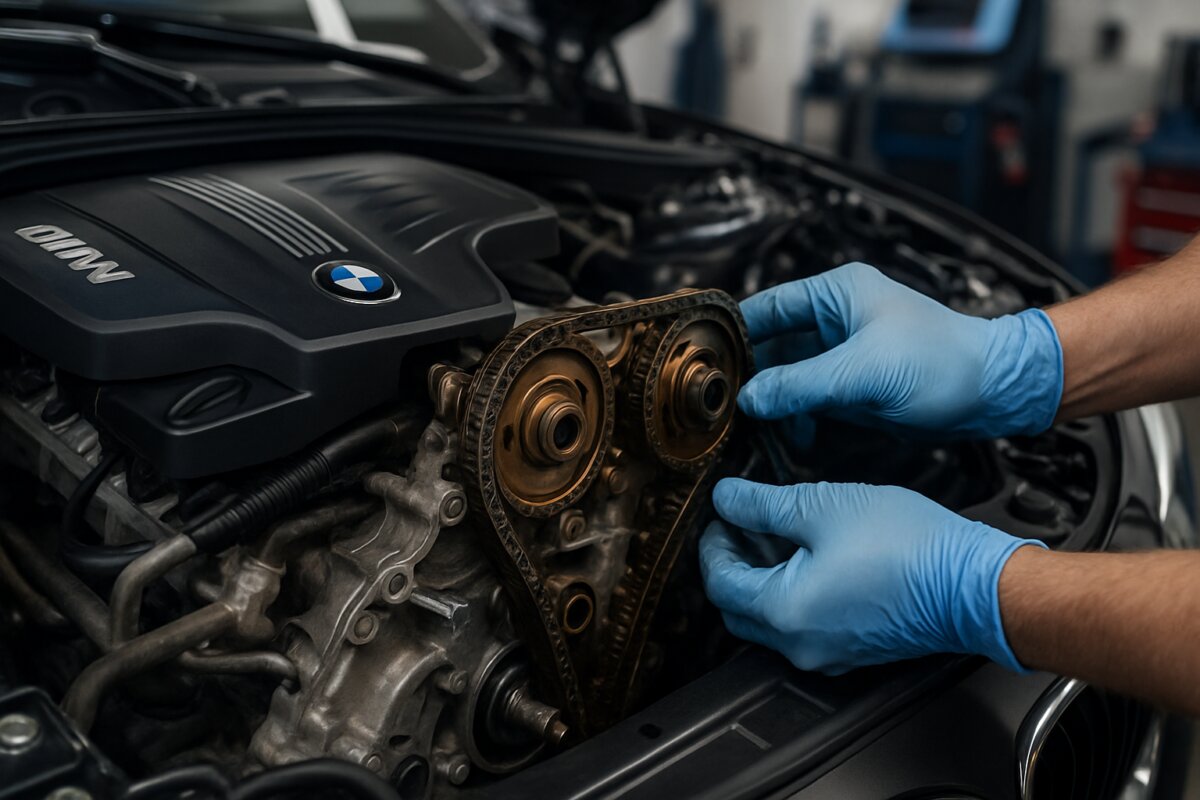
Timing chain problems represent one of the most serious defects affecting BMW 1 Series models, particularly N47 and N20 diesel engines produced between 2007 and 2015. The timing chain stretches prematurely due to inadequate lubrication and design weaknesses in the guide rails.
When the timing chain stretches beyond acceptable tolerances, it creates a distinctive rattling noise during cold starts. This sound typically lasts for a few seconds before disappearing once oil pressure builds. Ignoring this symptom can lead to catastrophic engine damage if the chain jumps teeth or breaks completely.
The root cause often traces back to the timing chain tensioner losing pressure overnight. BMW revised the tensioner design multiple times, but early intervention remains critical. Autopartspro specialists strongly recommend addressing timing chain issues immediately rather than waiting, as engine replacement costs dwarf preventative maintenance expenses.
According to our technicians, never ignore a rattling noise from the engine bay during startup. This single symptom has preceded countless expensive engine rebuilds in BMW 1 Series vehicles.
Turbocharger problems
Turbocharged petrol and diesel variants experience failures with their forced induction systems. The turbocharger can develop wastegate rattle, shaft play, or complete bearing failure, especially in vehicles driven predominantly for short journeys where the turbo never reaches optimal operating temperature.
Carbon buildup in the turbocharger hose connections and intake system compounds the problem. This restricts airflow and forces the turbo to work harder than designed. Loss of power becomes noticeable, particularly during acceleration or when climbing hills.
Oil contamination accelerates turbocharger wear. When owners neglect service intervals or use incorrect engine oil specifications, the delicate turbine bearings receive inadequate lubrication. The N47 diesel engine proves particularly vulnerable to turbo failure between 80,000 and 120,000 miles.
Blue smoke from the exhaust signals oil passing through damaged turbo seals. This symptom requires immediate attention as continued operation damages the catalytic converter and increases repair costs substantially.
Coolant system leaks
Cooling system integrity becomes compromised on higher-mileage 1 Series models. Plastic components deteriorate with age and thermal cycling. The expansion tank develops stress cracks around mounting points and seams, leading to coolant loss and potential overheating.
The radiator hose connections and coolant flange represent additional weak points. These plastic housings become brittle after years of heat exposure. A sudden coolant loss can occur without warning, leaving drivers stranded and risking serious engine damage.
The water pump itself fails periodically, though less frequently than the plastic ancillaries. Electric water pumps fitted to some models develop electrical faults or bearing noise. Conventional belt-driven pumps leak from their shaft seals or suffer impeller damage.
Always check under the vehicle and around engine bay plastic components for signs of pink or green residue. Early detection of coolant leaks prevents expensive engine damage from overheating.
Electronic parking brake failure
The electronic parking brake system fitted to 1 Series models from 2004 onwards develops faults that prevent proper operation. Corrosion affects the brake calipers and their integrated motors, particularly on vehicles exposed to road salt during winter months.
Warning messages appear on the dashboard, and the system may refuse to release or engage. In some cases, the brake activates unexpectedly during driving, creating a dangerous situation. The rear caliper actuators seize due to moisture ingress and lack of regular exercise.
Replacement costs prove substantial because the entire caliper assembly requires changing rather than just the motor unit. Preventative maintenance involves regular activation of the parking brake and ensuring brake fluid changes occur at specified intervals to minimise corrosion.
Clutch and flywheel wear
Manual transmission 1 Series models suffer premature clutch wear, particularly in urban driving conditions. The dual-mass flywheel develops characteristic vibrations and rattling noises when the internal springs fail. This component fails between 60,000 and 100,000 miles on many vehicles.
The clutch kit itself wears faster than expected due to the torque characteristics of modern turbocharged engines. Juddering during engagement and difficulty selecting gears indicate problems developing. The clutch release bearing often fails simultaneously with the main friction disc.
Autopartspro mechanics recommend replacing the flywheel whenever changing the clutch assembly. Although this increases initial costs, it prevents another expensive labour-intensive repair within 20,000 miles. The gearbox removal required for these jobs means combining repairs makes economic sense.
Warning signs your car has a problem
Recognising symptoms early prevents minor issues escalating into major failures. BMW 1 Series owners should watch for these indicators:
- Unusual engine noises during cold starts or acceleration
- Dashboard warning lights illuminating, particularly for engine management or braking systems
- Loss of power or hesitation during acceleration
- Fluid leaks beneath the vehicle or staining in the engine bay
- Vibrations through the clutch pedal or gear stick
- Smoke from the exhaust in any colour
- Difficulty engaging gears or unusual transmission behaviour
- Temperature gauge reading higher than normal
- Squealing or grinding noises from wheels or brakes
How to fix the problems
| Problem | Solution | Approximate cost |
|---|---|---|
| Timing chain failure | Replace chain, tensioner, guides and oil filter | £1,200-£2,500 |
| Turbocharger failure | Fit replacement turbo and clean intake system | £800-£1,800 |
| Coolant leaks | Replace expansion tank, hoses and thermostat housing | £200-£600 |
| Electronic parking brake | Replace rear brake caliper assemblies | £400-£800 |
| Clutch and flywheel | Install new clutch kit and dual-mass flywheel | £900-£1,600 |
DIY repairs suit mechanically competent owners with proper tools and workspace. However, timing chain replacement requires specialist knowledge and equipment. The cam belt setting procedure demands precision to prevent engine damage.
When to see a mechanic
Certain symptoms demand immediate professional attention. Any engine warning light accompanied by reduced power requires diagnostic scanning to identify fault codes. Strange noises from the engine bay, particularly metallic rattling or knocking, should never be ignored.
Coolant loss without visible leaks suggests internal gasket failure. A head gasket breach allows coolant into combustion chambers or oil passages. White exhaust smoke or milky deposits on the oil filler cap confirm this diagnosis.
Brake system faults require urgent assessment. Any warning light related to braking, ABS, or traction control could indicate problems with ABS sensor circuits or hydraulic components. The ABS pump itself fails occasionally on older models.
Transmission issues benefit from early intervention. Slipping gears, difficulty engaging ratios, or unusual noises during operation indicate internal wear. Checking automatic transmission fluid levels and condition helps diagnose automatic gearbox problems.
Frequently asked questions
What are the most reliable BMW 1 Series engines?
The N52 naturally aspirated petrol engine proves most dependable. Early N47 diesels should be avoided due to timing chain issues. Later B48 turbocharged petrols show improved reliability.
How often should I service my BMW 1 Series?
Annual servicing or 10,000-mile intervals maintain reliability. Condition-based servicing can extend intervals dangerously. Replace engine oil and filters yearly regardless of mileage to prevent premature wear.
Can I prevent timing chain failure in my 1 Series?
Regular oil changes using BMW-approved specifications help. Listen for rattling noises and investigate immediately. Preventative replacement at 80,000 miles eliminates risk on vulnerable N47 engines.
Why does my BMW 1 Series lose coolant?
Plastic expansion tanks crack with age. Thermostat housings and radiator connections also leak. Internal head gasket failure causes coolant loss without visible external leaks requiring pressure testing.
How much does BMW 1 Series maintenance cost annually?
Budget £400-£600 for routine servicing. Unexpected repairs add considerably more. Timing chains, turbos, and clutches represent major expenses. Choosing quality parts from Autopartspro reduces long-term costs.
Final recommendation
The BMW 1 Series delivers engaging driving dynamics when properly maintained. However, prospective buyers should carefully research specific model years and engine codes before purchasing. The N47 diesel requires particular scrutiny for timing chain condition, whilst turbocharged variants need documented service history.
Current owners benefit from proactive maintenance rather than reactive repairs. Regular inspection of cooling system components, listening for unusual noises, and adhering to service schedules prevents most major failures. Quality replacement parts prove essential for longevity.
Autopartspro specialists emphasise that early intervention saves substantially compared to ignoring warning signs. A £300 expansion tank replacement beats a £3,000 engine rebuild every time. The 1 Series remains an excellent vehicle when given appropriate care and attention to known vulnerable areas.
| Maintenance task | Recommended interval |
|---|---|
| Engine oil and filter change | Annually or 10,000 miles |
| Brake fluid replacement | Every 2 years |
| Coolant system inspection | Every service |
| Timing chain assessment | 80,000 miles (N47 engines) |
| Suspension component check | Annually |
For genuine BMW parts and quality aftermarket alternatives, visit Autopartspro’s comprehensive online catalogue. Our technical team provides expert guidance on component selection and installation procedures, ensuring your 1 Series receives the correct parts for optimal performance and reliability.

 Loading...