The Citroën C3 stands as a popular choice in the supermini segment, offering French flair with practical motoring. The heart of any C3 lies in its engine selection, determining fuel economy, performance characteristics, and overall driving experience. From efficient three-cylinder petrol units to robust diesel powerplants, the C3 range delivers options spanning 68 to 130 horsepower with torque figures reaching 230 Nm.
Comparison table of all engines
| Engine | Power Output | Torque | Fuel Consumption | Reliability |
|---|---|---|---|---|
| 1.2 PureTech 68 | 68 hp | 118 Nm | 58.9 mpg | Good |
| 1.2 PureTech 82 | 82 hp | 118 Nm | 57.6 mpg | Good |
| 1.2 PureTech 110 | 110 hp | 205 Nm | 54.3 mpg | Fair |
| 1.2 PureTech 130 | 130 hp | 230 Nm | 52.3 mpg | Fair |
| 1.5 BlueHDi 75 | 75 hp | 200 Nm | 78.5 mpg | Excellent |
| 1.5 BlueHDi 100 | 100 hp | 250 Nm | 76.3 mpg | Excellent |
1.2 PureTech petrol engines overview
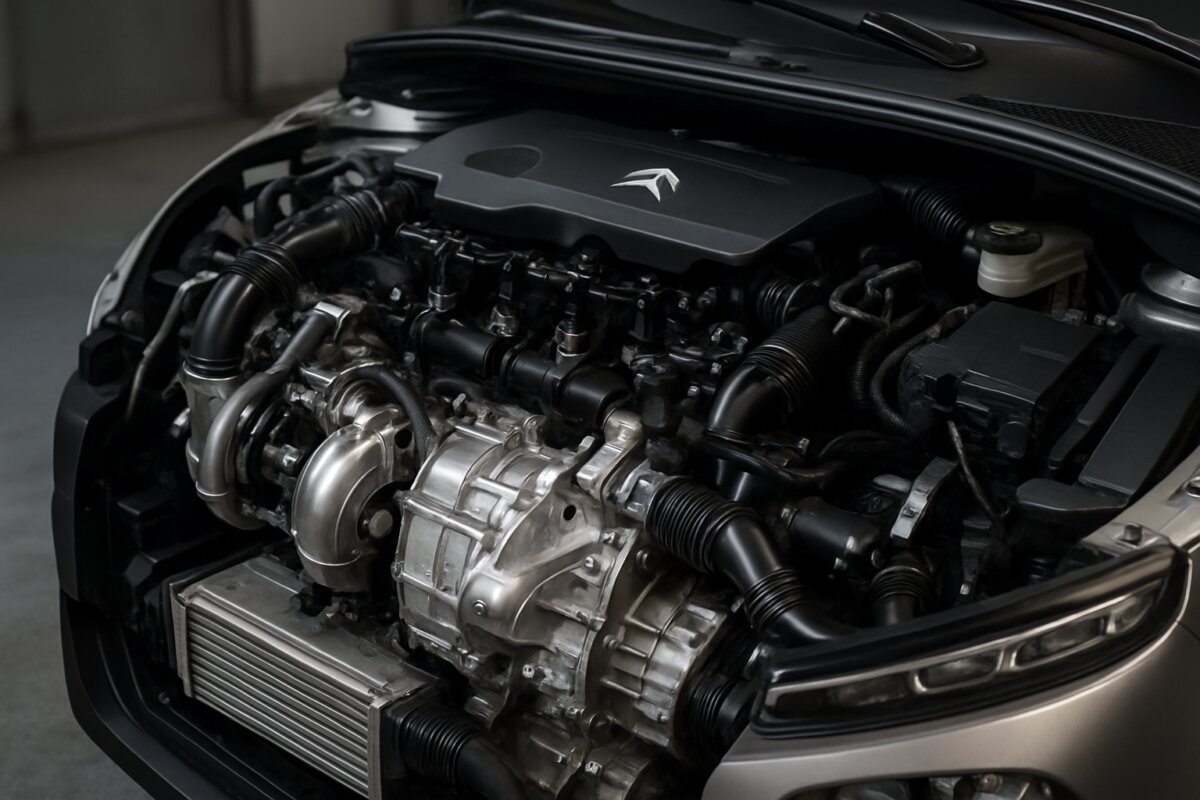
The PureTech family represents Citroën’s modern three-cylinder petrol technology. These inline-3 engines feature 1.2-litre displacement with direct injection systems. The naturally aspirated variants (68 and 82 hp) rely on optimised combustion chambers, whilst the turbocharged versions (110 and 130 hp) employ forced induction for enhanced performance. All PureTech units run on standard unleaded petrol with sophisticated fuel injection mapping.
Pros
- Excellent fuel economy figures across the range
- Compact dimensions reduce vehicle weight
- Modern three-cylinder character with good refinement
- Low CO2 emissions benefit company car drivers
- Responsive throttle response in turbocharged variants
Cons
- Timing belt issues reported on some turbocharged models
- Higher maintenance costs for forced induction variants
- Limited low-end torque in naturally aspirated engines
- Potential carbon build-up with direct injection
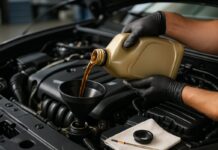
Professional tip: Regular oil filter changes every 10,000 miles help prevent timing chain stretch in PureTech engines, according to AutoPartsPro’s technical specialists.
1.5 BlueHDi diesel engines overview
The BlueHDi diesel range employs a four-cylinder inline configuration with 1.5-litre capacity. These turbocharged units feature advanced diesel particulate filters and selective catalytic reduction technology. Common rail fuel injection delivers precise fuel metering, whilst the turbocharger provides strong mid-range performance. Both 75 hp and 100 hp variants utilise identical architecture with different tuning parameters.
Pros
- Outstanding fuel economy with real-world figures exceeding 60 mpg
- Strong low-end torque delivery ideal for urban driving
- Proven reliability track record across PSA group
- Lower fuel costs compared to petrol variants
- Excellent motorway cruising capabilities
Cons
- Higher purchase price versus equivalent petrol models
- Diesel particulate filter requires regular regeneration cycles
- Increased complexity with emissions control systems
- Not suitable for short urban journeys exclusively
- Higher servicing costs due to additional filtration systems
Maintenance cost
| Engine | Recommended Interval | Estimated Cost | Cost per 10,000 miles |
|---|---|---|---|
| 1.2 PureTech 68/82 | 12,500 miles | £180-220 | £144-176 |
| 1.2 PureTech 110/130 | 10,000 miles | £220-280 | £220-280 |
| 1.5 BlueHDi 75/100 | 12,500 miles | £250-320 | £200-256 |
These figures include standard service items such as engine oil, filters, and basic inspections. Additional components like spark plugs and air filters may increase costs depending on service requirements. Diesel models require periodic fuel filter replacement and potential diesel particulate filter maintenance.
Expert advice: Monitor your coolant temperature sensor readings regularly, as overheating can cause expensive engine damage, particularly in turbocharged variants.
Engine sound and character
The PureTech three-cylinder engines produce a distinctive thrum at idle, smoothing out under acceleration. This characteristic sound adds personality without becoming intrusive. Turbocharged variants deliver a more muted exhaust note with subtle turbo whistle under boost.
BlueHDi diesel units exhibit typical diesel clatter at cold starts, settling into refined operation once warmed. The sound insulation in modern C3 models effectively dampens diesel noise, creating a surprisingly quiet cabin environment. Under acceleration, these engines provide a purposeful growl that reflects their torque-rich character.
Who each engine is best for
| Engine | Best For | Characteristics |
|---|---|---|
| 1.2 PureTech 68 | Budget-conscious owners | Low running costs, adequate urban performance |
| 1.2 PureTech 82 | Daily commuters | Balanced economy and performance for mixed driving |
| 1.2 PureTech 110 | Performance enthusiasts | Responsive acceleration with modern refinement |
| 1.2 PureTech 130 | Performance enthusiasts | Strong acceleration and overtaking capability |
| 1.5 BlueHDi 75 | Long-distance drivers | Excellent fuel economy for motorway cruising |
| 1.5 BlueHDi 100 | Long-distance drivers | Enhanced performance with outstanding economy |
Consider your driving patterns carefully when selecting an engine. Urban drivers benefit from petrol variants’ instant responsiveness, whilst high-mileage users should consider diesel options for superior fuel economy. The catalytic converter and emissions systems require different maintenance approaches between petrol and diesel variants.
Frequently asked questions
Which Citroën C3 engine offers the best fuel economy?
The 1.5 BlueHDi 75 delivers the highest fuel economy at 78.5 mpg combined, making it ideal for high-mileage drivers seeking maximum efficiency.
Are PureTech engines reliable in the long term?
PureTech engines show good reliability when properly maintained, though some timing belt issues affect turbocharged variants requiring preventive maintenance scheduling.
What’s the difference between BlueHDi 75 and 100 engines?
Both engines share identical architecture, with the 100 hp version offering enhanced turbocharger boost and revised engine mapping for increased performance.
Do C3 diesel engines require AdBlue fluid?
Yes, BlueHDi engines use selective catalytic reduction technology requiring periodic AdBlue top-ups, typically every 6,000-10,000 miles depending on driving conditions.
Which engine provides the best balance of performance and economy?
The 1.2 PureTech 82 offers an excellent compromise, delivering adequate performance with impressive fuel economy figures suitable for most driving scenarios.

 Loading...