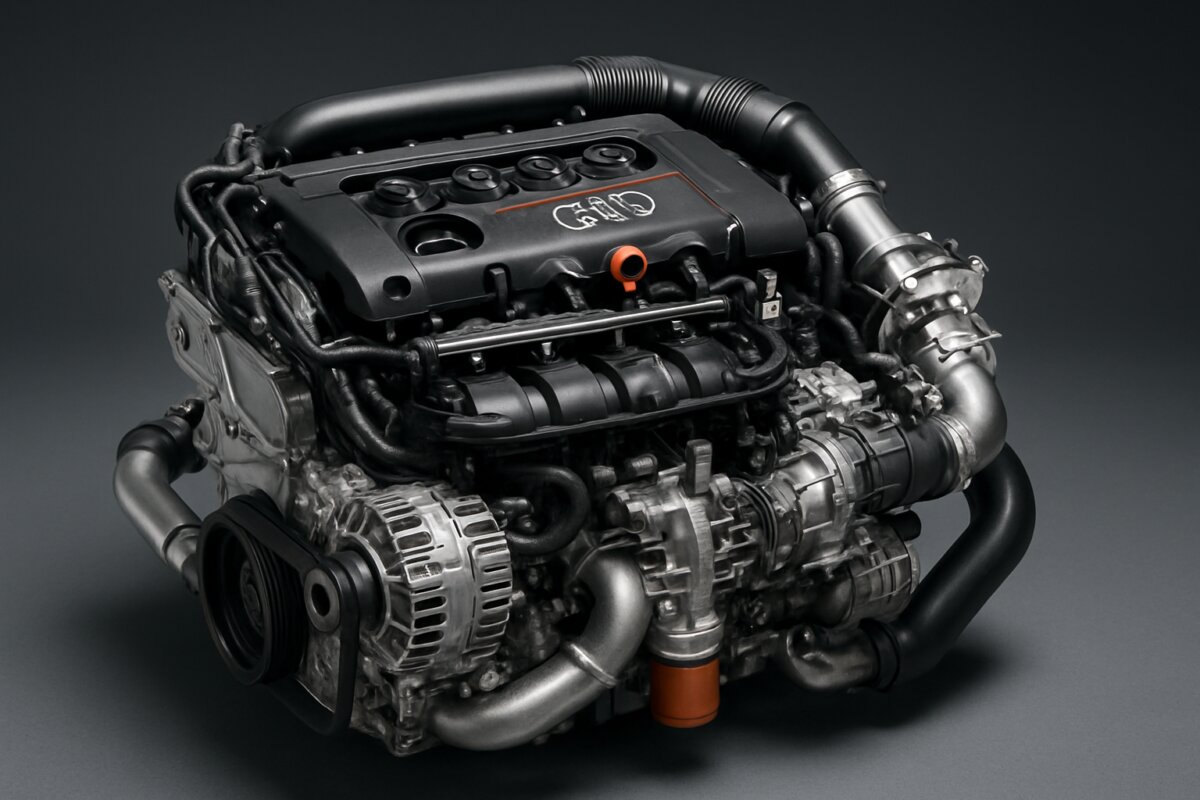
The Audi A3 8P, produced between 2003 and 2013, established itself as a premium compact hatchback that perfectly balanced sophistication with practicality. Engine choice remains fundamental to the ownership experience of this iconic model, as it directly influences running costs, performance characteristics, and long-term reliability. From frugal diesel units to spirited petrol variants, the 8P generation offered remarkable diversity. The range spans from the economical 1.6-litre naturally aspirated petrol producing 102 PS to the formidable 2.0-litre TFSI churning out 200 PS, alongside several turbocharged diesel options delivering impressive torque figures between 250-350 Nm.
Comparison table of all engines
| Engine | Power output | Torque | Fuel consumption | Reliability |
|---|---|---|---|---|
| 1.6 FSI Petrol | 102 PS | 148 Nm | 42.8 mpg | Good |
| 1.8 TFSI Petrol | 160 PS | 250 Nm | 40.9 mpg | Moderate |
| 2.0 TFSI Petrol | 200 PS | 280 Nm | 37.2 mpg | Moderate |
| 1.9 TDI Diesel | 105 PS | 250 Nm | 58.9 mpg | Excellent |
| 2.0 TDI (140 PS) | 140 PS | 320 Nm | 56.5 mpg | |
| 2.0 TDI (170 PS) | 170 PS | 350 Nm | 52.3 mpg | Good |
1.6 FSI petrol engine overview
The 1.6 FSI represents Audi’s entry-level petrol offering for the A3 8P. This inline-4 configuration features a displacement of 1,598 cc with naturally aspirated induction. The Fuel Stratified Injection system delivers petrol directly into the combustion chambers, improving efficiency compared to older port injection designs. This powerplant produces 102 PS at 5,600 rpm whilst generating 148 Nm of torque at 4,000 rpm. Without turbocharging, throttle response feels linear and predictable, though acceleration remains modest. The air filter requires regular maintenance to preserve optimal fuel mixture delivery.
Pros
- Simple mechanical design reduces repair complexity
- Lower insurance premiums compared to turbocharged variants
- Adequate power for urban driving conditions
- Timing chain eliminates cam belt replacement intervals
- Smooth power delivery without turbo lag
Cons
- Underwhelming acceleration for motorway merging
- Higher fuel consumption than equivalent diesel units
- Limited tuning potential due to naturally aspirated design
- Carbon buildup on intake valves requires periodic cleaning
- Resale values typically lower than more desirable variants
1.8 TFSI petrol engine overview
This turbocharged inline-4 configuration displaces 1,798 cc and represents a significant step up in performance. The 1.8 TFSI generates 160 PS with 250 Nm of torque available across a broad rev range. Turbocharging provides substantially improved low-end grunt compared to naturally aspirated alternatives. Direct injection technology combines with forced induction to deliver respectable efficiency alongside spirited performance. Our mechanics at Autopartspro have observed that proper maintenance of the turbocharger dramatically extends engine longevity, particularly when using quality engine oil and adhering to service intervals.
Pros
- Strong mid-range torque improves real-world driveability
- Responds well to aftermarket tuning modifications
- Reasonable fuel economy when driven conservatively
- Widely available replacement components
- Balanced compromise between performance and running costs
Cons
- Timing chain tensioner failures reported on higher-mileage examples
- Carbon deposits accumulate on intake valves over time
- Turbocharger oil seals may deteriorate after 100,000 miles
- Requires premium unleaded fuel for optimal performance
- Higher insurance costs than smaller capacity engines
2.0 TFSI petrol engine overview
The range-topping petrol unit in the standard A3 8P lineup features a 1,984 cc turbocharged inline-4 configuration. Producing 200 PS and 280 Nm of torque, this engine transforms the A3 into a genuinely quick compact car. Direct fuel injection combines with sophisticated engine management to extract maximum performance whilst maintaining reasonable efficiency. The forced induction system pressurises the intake charge, allowing substantially more power from relatively modest displacement. Regular inspection of the intercooler ensures charge temperatures remain optimal. This powerplant shares considerable architecture with the EA113 engine family used across the Volkswagen Group.
Pros
- Excellent acceleration capability for overtaking manoeuvres
- Responsive throttle with minimal turbo lag
- Strong aftermarket support for performance upgrades
- Refined operation at motorway cruising speeds
- Satisfying power delivery throughout rev range
Cons
- Fuel consumption increases significantly under spirited driving
- Timing chain and tensioner problems documented on older examples
- Carbon buildup requires professional walnut blasting every 60,000 miles
- Higher road tax bracket increases annual running costs
- PCV valve failures can cause excessive oil consumption
Tip: When purchasing a used 2.0 TFSI, always request service records documenting spark plug and ignition coil replacement history, as these wear items directly affect engine smoothness.
1.9 TDI diesel engine overview
The venerable 1.9 TDI inline-4 diesel displaces 1,896 cc and employs indirect injection technology. This naturally aspirated diesel with turbocharging assistance produces 105 PS alongside 250 Nm of torque. The unit represents older diesel technology compared to the 2.0 TDI alternatives but compensates with legendary reliability. Variable geometry turbocharging improves response across different engine speeds. Autopartspro specialists consistently recommend this engine for buyers prioritising dependability over outright performance. The robust mechanical design tolerates high mileage exceptionally well when maintained properly with quality oil filters and regular servicing.
Pros
- Outstanding fuel economy exceeds 55 mpg in mixed driving
- Proven reliability across hundreds of thousands of miles
- Lower repair costs due to simpler injection system
- Strong low-end torque ideal for towing applications
- Excellent resale value retention in used market
Cons
- Noisy operation compared to modern diesel engines
- Slower acceleration than 2.0 TDI alternatives
- Dual-mass flywheel replacements eventually required
- EGR valve carbon buildup reduces performance over time
- Turbocharger failures typically occur around 150,000 miles
2.0 TDI diesel engine overview (140 PS and 170 PS variants)
The common-rail 2.0 TDI inline-4 turbocharged diesel displaces 1,968 cc and represents modern diesel technology. Available in 140 PS and 170 PS configurations, these engines deliver between 320-350 Nm of torque. Direct injection operates at extremely high pressures through piezoelectric injectors, atomising fuel more effectively than older systems. The variable geometry turbocharger adjusts internal vane angles to optimise boost pressure across different operating conditions. Both variants share fundamental architecture but differ in turbocharger specifications and engine management calibration. Regular replacement of the fuel filter prevents contamination reaching expensive injection components.
Pros
- Impressive fuel economy combined with strong performance
- Abundant torque from low engine speeds
- Refined operation with minimal vibration
- Lower CO2 emissions reduce company car taxation
- Wide service network familiar with maintenance requirements
Cons
- Diesel Particulate Filter regeneration issues in urban usage
- Expensive injector replacements after 120,000 miles
- Dual-mass flywheel replacement costs exceed £800
- EGR cooler failures cause overheating problems
- Timing belt requires replacement every 130,000 miles or ten years
Tip: For 2.0 TDI owners, investing in premium diesel fuel with enhanced detergent additives helps maintain injector cleanliness and prevents costly repairs down the line.
Maintenance cost chart
Annual maintenance expenditure varies considerably between engine types. The following represents typical costs for routine servicing over a five-year ownership period:
| Engine | Annual service | Major service | Timing system | 5-year total |
|---|---|---|---|---|
| 1.6 FSI | £180 | £350 | N/A (chain) | £1,330 |
| 1.8 TFSI | £195 | £380 | N/A (chain) | £1,445 |
| 2.0 TFSI | £210 | £420 | N/A (chain) | £1,575 |
| 1.9 TDI | £165 | £340 | £450 | £1,715 |
| 2.0 TDI 140 | £175 | £365 | £520 | £1,890 |
| 2.0 TDI 170 | £185 | £385 | £520 | £1,995 |
These figures exclude unexpected repairs such as water pump replacements, alternator regulator failures, or clutch wear. Diesel variants incur higher costs due to timing belt replacement requirements and more expensive consumables. Petrol engines benefit from timing chains but may require tensioner replacement on higher-mileage examples.
Engine sound and character
The 1.6 FSI delivers a characteristically muted soundtrack with minimal mechanical noise at idle. Under acceleration, the naturally aspirated unit produces a pleasant four-cylinder note without dramatic crescendos. In contrast, the 1.8 TFSI and 2.0 TFSI emit a deeper, more purposeful tone enhanced by turbocharger whistle under boost. The wastegate flutter during throttle lift-off adds sporting character absent from the base model.
Diesel variants present distinctly different acoustic signatures. The 1.9 TDI exhibits typical diesel clatter at idle, particularly when cold, though refinement improves once operating temperature stabilises. The 2.0 TDI variants represent a quantum leap in noise suppression, with sophisticated engine mounts and improved combustion chamber design reducing harshness substantially. At motorway speeds, all engines settle into relaxed cruising with wind noise becoming more prominent than mechanical sounds. The exhaust manifold design influences sound character, whilst aftermarket systems can dramatically alter acoustic properties.
Who each engine is best for
| Driver profile | Recommended engine | Reasoning |
|---|---|---|
| Daily commuters | 1.9 TDI or 2.0 TDI 140 | Outstanding fuel economy reduces commuting costs whilst strong torque handles stop-start traffic effortlessly |
| Performance enthusiasts | 2.0 TFSI or 2.0 TDI 170 | Both deliver spirited acceleration with tuning potential, though TFSI provides more engaging soundtrack |
| Long-distance drivers | 2.0 TDI 140 | Perfect balance between performance, refinement, and exceptional motorway fuel consumption figures |
| Budget-conscious owners | 1.6 FSI or 1.9 TDI | Lower purchase prices, reduced insurance premiums, and simplified maintenance schedules minimize ownership costs |
| Urban drivers | 1.6 FSI or 1.8 TFSI | Petrol engines avoid DPF regeneration problems whilst providing adequate performance for city conditions |
Selection ultimately depends on individual priorities. High-mileage drivers benefit from diesel economy, whilst those covering fewer miles annually may prefer petrol variants to avoid diesel-specific complications. Maintenance history matters more than engine choice when purchasing used examples, as neglected servicing ruins even the most robust powerplant.
Frequently asked questions
What is the most reliable Audi A3 8P engine?
The 1.9 TDI demonstrates exceptional reliability with many examples exceeding 250,000 miles when serviced correctly. Its simpler injection system and proven mechanical design minimize failure points compared to newer alternatives.
How often should I change oil in my A3 8P?
Whilst manufacturers suggest 12-month or 15,000-mile intervals, Autopartspro mechanics recommend 10,000-mile changes maximum, particularly for turbocharged engines. Quality lubricants protect camshaft components and turbochargers effectively.
Can I remap my A3 8P for more power?
Turbocharged variants respond excellently to ECU remapping, with 2.0 TDI engines safely achieving 180-190 PS. However, ensure supporting modifications like upgraded clutch kits accompany power increases.
What causes carbon buildup in TFSI engines?
Direct injection sprays fuel directly into cylinders, bypassing intake valves. Without fuel washing over valves, carbon deposits accumulate. Regular Italian tune-ups and occasional walnut blasting mitigate this issue.
How much does timing belt replacement cost?
Diesel variants require timing belt changes costing £450-650 depending on whether you replace the water pump simultaneously. Petrol engines use chains requiring less frequent but potentially costlier interventions.
Why is my diesel A3 losing power?
Common causes include blocked particulate filters, faulty mass air flow sensors, or clogged fuel filters. Our experience shows systematic diagnosis prevents expensive misdiagnosis and unnecessary component replacement.
Which A3 8P engine is cheapest to run?
The 1.9 TDI offers lowest combined ownership costs when factoring fuel consumption, insurance, and maintenance. However, purchase price premiums for diesel models may negate savings for low-mileage drivers.
Do A3 8P engines suffer common faults?
TFSI engines experience carbon buildup and occasional timing chain tensioner issues. Diesel variants may develop DPF blockages and injector failures. Proper servicing with quality parts significantly reduces failure rates.
Can I use regular unleaded in a TFSI engine?
Whilst possible, premium unleaded fuel optimizes performance and prevents knock. The ECU retards ignition timing with lower octane fuel, reducing power output and potentially increasing long-term carbon accumulation.
What oil specification should I use?
Petrol engines require 5W-40 or 5W-30 synthetic meeting VW 502.00 specification minimum. Diesel variants need 5W-30 synthetic meeting VW 507.00 for engines with DPF systems. Never compromise on lubricant quality.

 Loading...