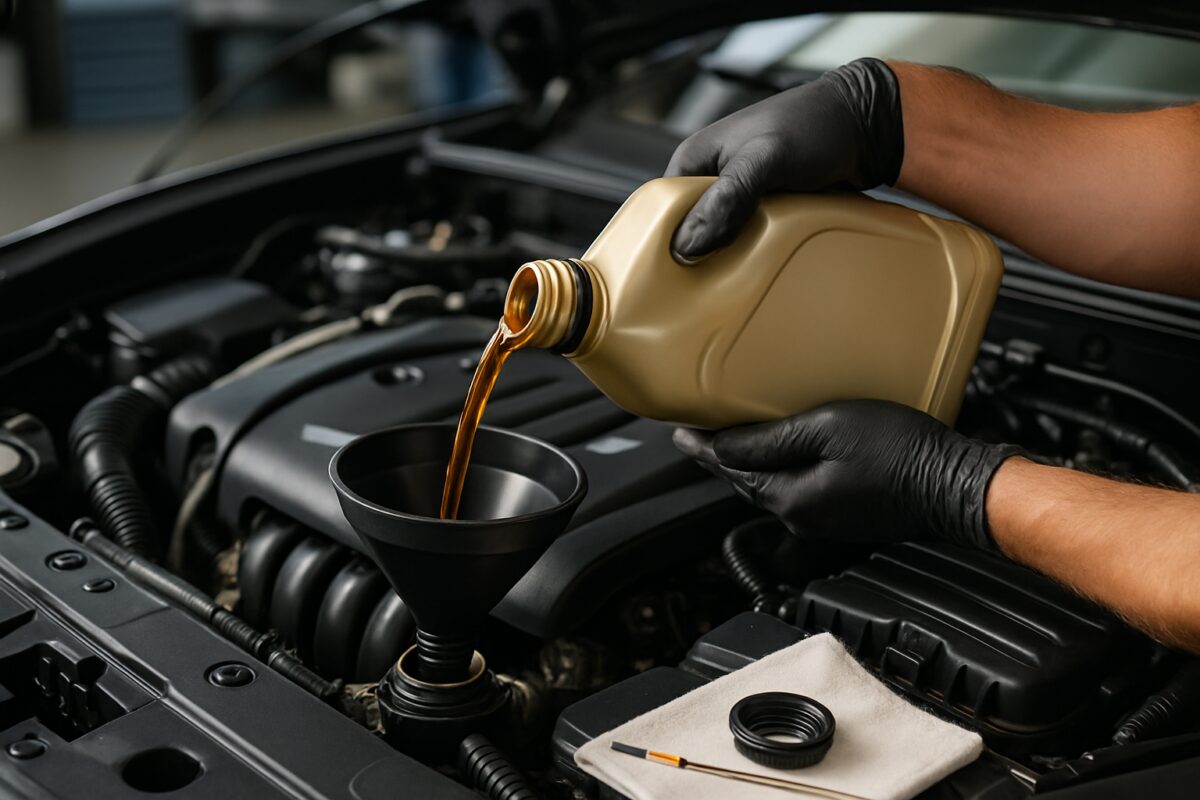
To put oil in your car, you’ll need the correct engine oil type and viscosity for your vehicle, a funnel, and basic tools. The process involves locating the oil filler cap, removing it, inserting a funnel, and slowly pouring the recommended amount of fresh oil while checking the dipstick to avoid overfilling.
Tools & parts required
Before starting this essential maintenance task, gather all necessary items to ensure a smooth oil change process.
Parts needed
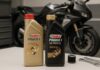
- Engine oil (correct viscosity and specification)
- Oil filter (if performing full service)
- Gaskets and seals (if required)
- Clean rags or paper towels
Tools required
- Funnel (wide-mouth preferred)
- Oil dipstick (built into most vehicles)
- Socket set (for drain plug access)
- Container for waste oil
- Protective gloves
Tip: Always verify the correct oil specification in your owner’s manual. Using the wrong viscosity can damage your engine and void warranty coverage.
Safety precautions
Working with hot engine components requires proper safety measures to prevent injury.
Ensure the engine is warm but not extremely hot for optimal oil flow. Work on level ground to get accurate dipstick readings. Wear protective gloves to avoid skin contact with used oil, which contains harmful contaminants. Keep a fire extinguisher nearby when working with automotive fluids.
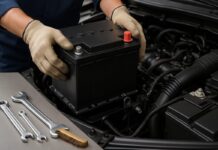
Disconnect the battery negative terminal if working near electrical components. Work in a well-ventilated area to avoid inhaling fumes from hot oil.
Step-by-step instructions
Follow these detailed steps to safely add oil to your vehicle’s engine.
Step 1: Prepare the vehicle
Park on level ground and engage the handbrake. Allow the engine to cool for 10-15 minutes after driving to prevent burns from hot oil. This cooling period also allows the oil to settle in the oil sump for accurate level readings.
Open the bonnet and locate the oil filler cap, typically marked with an oil can symbol. Clean around the cap area to prevent dirt from entering the engine.
Step 2: Check current oil level
Remove the dipstick and clean it thoroughly with a lint-free cloth. Reinsert it completely, then withdraw to check the oil level. The reading should fall between the minimum and maximum marks etched on the dipstick.
Note the oil colour and consistency. Dark, thick oil indicates it needs changing, whilst clean amber oil may only need topping up.
Step 3: Add fresh oil
Remove the oil filler cap and insert your funnel securely. Pour small amounts of oil slowly, allowing it to settle between additions. This prevents overfilling and ensures accurate measurement.
Add approximately 500ml at a time, then check the dipstick level. Continue this process until the oil reaches the maximum mark but never exceeds it.
Tip: Overfilling can cause engine damage by creating excessive pressure and causing oil to foam, reducing its lubricating properties.
Step 4: Final checks
Replace the oil filler cap tightly and remove the funnel. Start the engine and let it idle for 2-3 minutes, watching for any leaks around the oil filter or drain plug.
Switch off the engine and wait 5 minutes for the oil to settle. Check the dipstick one final time to ensure proper level. Top up if necessary, but avoid overfilling.
Common mistakes to avoid
Understanding these frequent errors will help you maintain your engine properly and avoid costly damage.
Never mix different oil types or viscosities unless specifically approved by the manufacturer. Using the wrong oil specification can cause poor engine performance and potential damage to internal components.
Avoid overfilling the engine, which creates excessive pressure and can damage seals. Don’t add oil to a hot engine, as this can cause burns and inaccurate level readings due to thermal expansion.
Never reuse old drain plug washers or gaskets, as these can leak and cause oil loss. Always check your work by monitoring oil levels for several days after the service.
When should you change engine oil?
Regular oil changes are crucial for engine longevity and performance. Most manufacturers recommend intervals between 6,000-12,000 miles, depending on driving conditions and oil type.
Check oil level monthly using the dipstick method. If you notice metal particles, excessive darkness, or a burnt smell, change the oil immediately regardless of mileage. Severe driving conditions like frequent short trips, dusty environments, or stop-start traffic require more frequent changes.
Modern synthetic oils last longer than conventional oils but still require regular monitoring. Keep a maintenance log to track oil changes and identify patterns in consumption or degradation.
Related maintenance you can do at the same time
Maximise your maintenance session by addressing other serviceable items while the bonnet is open.
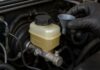
Replace the air filter if it appears dirty or clogged, as clean air intake improves engine efficiency. Check and top up other fluid levels including brake fluid, coolant, and windscreen washer fluid.
Inspect belts and hoses for signs of wear, cracking, or fraying. These components are easily accessible and replacing them preventively saves expensive breakdown costs.
Consider checking spark plugs if your vehicle has covered significant mileage. Clean plugs improve fuel economy and engine performance, making this an excellent complementary maintenance task.
Frequently asked questions
How often should I check my oil level?
Check oil level monthly and before long journeys. Regular monitoring helps identify leaks or excessive consumption early, preventing engine damage.
Can I use any type of engine oil?
No, always use the manufacturer’s specified oil viscosity and type. Wrong oil can cause poor performance and void warranty coverage.
What happens if I overfill the engine oil?
Overfilling creates excessive pressure, causes oil foaming, and can damage seals. Remove excess oil immediately to prevent engine problems.
Why is my oil level dropping quickly?
Rapid oil loss indicates leaks or internal wear. Check for visible leaks and consult a mechanic for internal engine issues.
Should I warm the engine before checking oil?
Check oil when the engine is warm but not hot. This ensures accurate readings whilst preventing burns from extremely hot components.
Adding oil to your car becomes straightforward once you understand the proper procedure and safety requirements. Regular monitoring and using the correct specification oil will keep your engine running smoothly for years. Remember that consistent maintenance schedules and quality engine oil are investments in your vehicle’s longevity and performance.

 Loading...