The Audi A4 has carved out a reputation as one of the most refined executive saloons on British roads, competing directly with the BMW 3 Series and Mercedes C-Class. What truly defines this premium saloon is what’s under the bonnet. The engine determines everything from daily running costs to weekend driving enjoyment. Audi’s engineers have developed a diverse range of powerplants for the A4, from economical diesels producing around 150 PS to turbocharged petrol units delivering up to 252 PS, alongside torque figures ranging from 250 Nm to 370 Nm. Choosing the right engine means balancing performance aspirations with real-world practicality.
Comparison table of all engines
Understanding the differences between Audi A4 engines helps you make an informed decision. Here’s how the most popular variants stack up against each other:
| Engine | Power output | Torque | Fuel consumption | Reliability |
|---|---|---|---|---|
| 2.0 TFSI (B9) | 190 PS | 320 Nm | 47.1 mpg | Good |
| 2.0 TFSI (252 PS) | 252 PS | 370 Nm | 44.1 mpg | Good |
| 2.0 TDI (150 PS) | 150 PS | 340 Nm | 64.2 mpg | Excellent |
| 2.0 TDI (190 PS) | 190 PS | 400 Nm | 62.8 mpg | Excellent |
| 3.0 TDI V6 | 218 PS | 400 Nm | 56.5 mpg | Very Good |
2.0 TFSI petrol engine overview
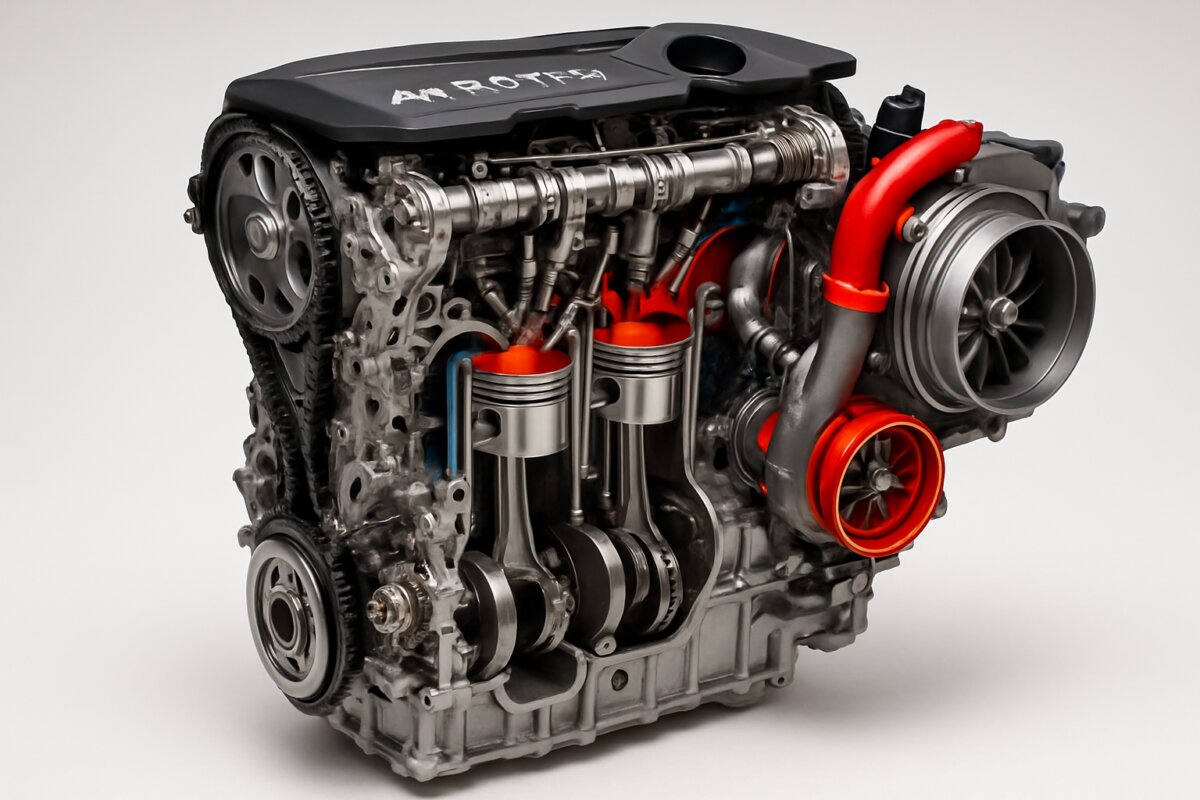
The 2.0 TFSI represents Audi’s core petrol offering, appearing in various states of tune across the A4 range. This inline-four cylinder configuration uses a 1,984 cc displacement with direct fuel injection technology. The turbocharged setup delivers power smoothly across the rev range, making it suitable for both urban commuting and motorway cruising. The EA888 engine family has been refined over multiple generations, with the latest versions featuring improved thermal management and reduced internal friction.
Built with an aluminium alloy block and cast iron cylinder liners, this powerplant incorporates Audi’s valvelift system on the exhaust side. The turbocharger spools up quickly, minimising lag and providing responsive acceleration from low revs. Direct petrol injection operates at pressures up to 200 bar, ensuring precise fuel delivery and optimal combustion efficiency. Regular maintenance of components like the air filter and spark plugs keeps this engine running sweetly.
Pros
- Smooth power delivery with minimal turbo lag
- Excellent throttle response throughout the rev range
- Refined operation with low vibration levels
- Strong aftermarket support for performance upgrades
- Widely available replacement parts at competitive prices
Cons
- Carbon buildup on intake valves requires periodic cleaning
- Higher fuel consumption compared to diesel alternatives
- Timing chain can stretch on higher mileage examples
- Premium unleaded fuel recommended for optimal performance
- Water pump failures reported around 80,000 miles
2.0 TDI diesel engine overview
For those covering serious miles, the 2.0 TDI remains the sensible choice. This turbocharged diesel comes in 150 PS and 190 PS variants, both sharing the same 1,968 cc displacement. The inline-four configuration uses common rail direct injection, with piezo injectors operating at pressures exceeding 2,000 bar. Audi’s engineers have prioritised efficiency without sacrificing drivability, making this engine particularly popular amongst fleet buyers and high-mileage drivers.
The aluminium cylinder head houses four valves per cylinder, whilst the engine block combines strength with reasonable weight. Variable geometry turbocharging provides excellent low-end torque, with maximum pulling power available from just 1,750 rpm. Our mechanics at Autopartspro regularly service these engines and note their impressive durability when maintained correctly. The oil filter and fuel filter require regular changes to prevent premature wear of the high-pressure fuel pump.
Pros
- Outstanding fuel economy averaging over 60 mpg
- Exceptional torque delivery from low engine speeds
- Proven reliability with proper servicing
- Lower road tax due to reduced CO2 emissions
- Strong resale values in the used market
Cons
- Diesel particulate filter can clog with short journeys
- EGR valve issues on earlier models require attention
- Injector replacement costs significantly more than petrol equivalents
- AdBlue system adds ongoing running costs
- Less engaging driving experience compared to petrol variants
3.0 TDI V6 diesel engine overview
The 3.0 TDI V6 sits at the premium end of the A4 diesel range, offering 218 PS or 272 PS depending on specification. This 2,967 cc engine uses a 90-degree V6 configuration with aluminium construction throughout. Twin turbochargers work sequentially to eliminate lag whilst providing strong performance across the entire rev band. Common rail injection with piezo elements ensures precise fuel metering, whilst the balancer shafts guarantee smooth operation.
This powerplant represents Audi’s engineering excellence, combining refinement with genuine performance credentials. The lower-powered version delivers a more relaxed character, whilst the 272 PS variant provides sports car acceleration in a practical saloon body. Regular oil changes using the correct specification are crucial, as is maintaining the cam belt service intervals to prevent catastrophic engine damage.
Pros
- Remarkably smooth operation for a diesel engine
- Impressive performance combined with decent economy
- Sophisticated twin-turbo setup provides linear power
- Excellent long-distance cruising ability
- Strong pulling power makes overtaking effortless
Cons
- Higher purchase price than four-cylinder alternatives
- More complex servicing requirements increase costs
- Turbocharger replacement proves expensive if failures occur
- Fuel consumption rises significantly when driven hard
- Heavier engine affects front-end handling balance
Our senior technician recommends checking the engine mounts every 60,000 miles on diesel A4s, as the torque characteristics can accelerate wear, leading to increased cabin vibration.
Maintenance cost chart
Understanding the financial commitment of running different A4 engines helps with budgeting. Annual maintenance costs vary significantly between powerplants:
Average Annual Maintenance Costs (12,000 miles/year)
2.0 TFSI 190 PS – £520
2.0 TFSI 252 PS – £680
2.0 TDI 150 PS – £595
2.0 TDI 190 PS – £645
3.0 TDI V6 – £890
These figures include routine servicing, engine oil, filters, and typical wear items like brake pads. Major services including timing chain inspection or cambelt replacement on older models will increase costs substantially. The V6 diesel commands premium pricing due to its complexity and larger fluid capacities.
Engine sound and character
Each Audi A4 engine delivers a distinct acoustic signature and driving personality. The 2.0 TFSI produces a cultured four-cylinder note with a subtle growl under acceleration. There’s a refined quality to the sound, never intrusive but present enough to engage the driver. The turbocharged nature means a gentle whoosh accompanies harder acceleration, adding character without crudeness.
Diesel engines traditionally suffer from harshness, but Audi’s engineers have worked wonders with the 2.0 TDI. At idle, there’s a distant clatter that identifies it as a compression-ignition unit, yet once moving, refinement levels impress. The engine fades into the background during motorway cruising, only becoming noticeable when accelerating hard. The 3.0 TDI V6 stands apart with its silky-smooth operation. The V6 configuration inherently balances better than inline designs, resulting in minimal vibration reaching the cabin. Under acceleration, it produces a muted rumble that feels more expensive than the four-cylinder alternatives.
From behind the wheel, the 2.0 TFSI rewards enthusiastic driving with eager responses. The 252 PS version particularly enjoys being revved, pulling strongly to the redline. Diesel variants prioritise effortless progress, their substantial torque reserves meaning fewer gearchanges are necessary. The exhaust manifold design influences sound character, whilst the standard fitment of sound insulation keeps unwanted noise at bay.
According to our diagnostics specialist, fitting a quality cabin filter significantly reduces engine noise penetration whilst improving air quality inside the vehicle.
Who each engine is best for
Matching the right engine to your driving profile maximises satisfaction whilst minimising running costs. Here’s our professional assessment:
| Driver profile | Recommended engine | Reason |
|---|---|---|
| Daily commuters (under 10,000 miles/year) | 2.0 TFSI 190 PS | Lower purchase price, adequate performance, fewer diesel-related issues with short journeys |
| Performance enthusiasts | 2.0 TFSI 252 PS | Best power-to-weight ratio, engaging driving dynamics, scope for tuning modifications |
| Long-distance drivers (over 20,000 miles/year) | 2.0 TDI 190 PS | Exceptional fuel economy, strong torque, proven motorway reliability |
| Budget-conscious owners | 2.0 TDI 150 PS | Lowest running costs, adequate performance, simple maintenance requirements |
| Executive drivers wanting refinement | 3.0 TDI V6 | Superior smoothness, effortless performance, premium feel |
These recommendations come from years of experience servicing A4 models across all engine variants. The specialists at Autopartspro consistently observe that owners who match their engine choice to their actual driving patterns report higher satisfaction levels. If you’re uncertain, the 2.0 TDI 190 PS offers the best all-round compromise, delivering strong performance alongside impressive economy. Ensuring components like the water pump and radiator thermostat are maintained properly extends engine life regardless of which variant you choose.
Frequently asked questions
Which Audi A4 engine is most reliable?
The 2.0 TDI engines demonstrate exceptional reliability when serviced correctly. Regular oil changes using quality fluids and replacing the particulate filter when necessary prevents most common issues. Petrol variants also prove dependable with proper maintenance schedules.
How often should I change the oil in my A4?
Audi recommends 12-month or 10,000-mile intervals, whichever comes first. However, our technicians suggest 7,500-mile changes for engines doing predominantly short journeys or towing. Using correct specification oil protects critical components like the camshaft and bearings.
Are timing chains better than cambelt systems?
Modern A4 petrol engines use timing chains designed to last the engine’s lifetime, eliminating cambelt replacement costs. Chains can stretch with age, requiring inspection, but generally prove more durable. Diesel variants may use either system depending on model year.
What causes carbon buildup in TFSI engines?
Direct injection sprays fuel directly into cylinders, bypassing intake valves. Without fuel washing over them, carbon deposits accumulate. Regular Italian tune-ups and walnut blasting every 60,000 miles maintains performance. Quality injectors also help minimise buildup.
Is the Audi A4 expensive to maintain?
Compared to mass-market brands, yes, but costs remain reasonable for the premium segment. Using quality aftermarket parts from trusted suppliers like Autopartspro significantly reduces expenses. Regular preventative maintenance proves far cheaper than emergency repairs from neglect.

 Loading...