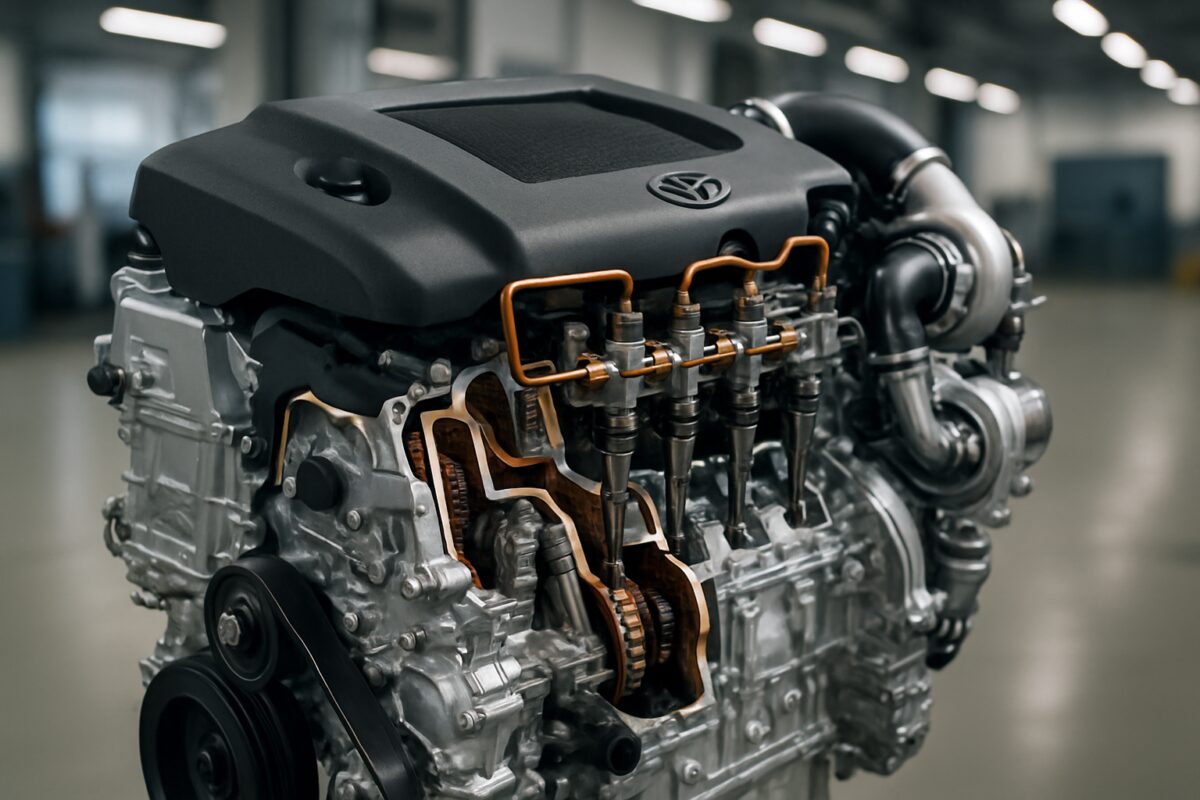
Toyota’s D-4D (Direct Injection 4-stroke Common-rail Diesel) engine family represents a significant leap forward in diesel technology for passenger vehicles and commercial applications. These powerplants have earned widespread acclaim across European markets, particularly in the UK, where their blend of efficiency, reliability, and performance has made them staples in Toyota’s lineup. With power outputs ranging from 90 to 177 horsepower and impressive torque figures reaching up to 400 Nm, D-4D engines offer exceptional fuel economy whilst maintaining Toyota’s legendary dependability standards.
Comparison table of all engines
| Engine | Power output | Torque | Fuel consumption | Reliability |
|---|---|---|---|---|
| 1.4 D-4D | 90 hp | 205 Nm | 4.2L/100km | Excellent |
| 2.0 D-4D | 124-126 hp | 310 Nm | 5.1L/100km | Very Good |
| 2.2 D-4D | 150-177 hp | 400 Nm | 5.8L/100km | Good |
Engine 1.4 D-4D overview
The 1.4 D-4D represents Toyota’s entry-level diesel offering, featuring a compact inline-four configuration with 1,364cc displacement. This turbocharged unit employs the Common Rail direct injection system, delivering precise fuel metering for optimal combustion efficiency. The engine utilises diesel fuel with advanced piezoelectric injectors operating at pressures up to 1,800 bar.
Pros
- Outstanding fuel economy reaching 60+ mpg
- Low CO2 emissions making it tax-efficient
- Compact size suitable for smaller vehicles
- Reliable operation with minimal maintenance requirements
- Affordable running costs
Cons
- Limited power output may feel sluggish under heavy loads
- Prone to DPF clogging in city driving conditions
- Turbocharger lag noticeable at low revs
- Road noise can be intrusive at higher speeds
Professional tip from our Autopartspro mechanics: Replace the fuel filter every 20,000 miles to prevent injection system contamination and maintain optimal performance.
Engine 2.0 D-4D overview
The 2.0 D-4D strikes an excellent balance between performance and efficiency, featuring a 1,995cc inline-four configuration. This turbocharged powerplant incorporates variable geometry turbocharging technology, providing improved response across the rev range. The sophisticated Common Rail system operates with multi-stage injection patterns, reducing noise whilst maximising combustion efficiency.
Pros
- Well-balanced power delivery suitable for most driving conditions
- Good fuel economy averaging 45-50 mpg
- Smooth operation with reduced diesel clatter
- Robust construction with proven longevity
- Wide availability of replacement parts
Cons
- Higher maintenance costs compared to smaller variants
- Potential issues with EGR valve carbon buildup
- Requires premium diesel fuel for optimal performance
- Cold weather starting can be challenging without proper maintenance
Engine 2.2 D-4D overview
The flagship 2.2 D-4D delivers impressive performance from its 2,231cc displacement, making it ideal for larger vehicles and heavy-duty applications. This advanced inline-four features twin-stage turbocharging in higher output variants, providing exceptional torque delivery from low engine speeds. The sophisticated injection system incorporates up to five injection pulses per combustion cycle.
Pros
- Exceptional torque output perfect for towing and hauling
- Smooth power delivery across wide rev range
- Refined operation with minimal vibration
- Excellent highway fuel economy for its size
- Strong resale value retention
Cons
- Higher purchase and maintenance costs
- Complex turbocharging system requires specialist servicing
- Potential timing chain stretch issues in high-mileage examples
- DPF regeneration cycles more frequent under light loads
Expert advice: Monitor your engine oil levels closely, as D-4D engines can experience oil dilution during DPF regeneration cycles.
Maintenance cost analysis
| Engine | Recommended Interval | Estimated Cost | Cost per 10,000 miles |
|---|---|---|---|
| 1.4 D-4D | 10,000 miles | £280-320 | £280-320 |
| 2.0 D-4D | 10,000 miles | £350-420 | £350-420 |
| 2.2 D-4D | 10,000 miles | £450-550 | £450-550 |
Regular maintenance proves crucial for D-4D longevity. The oil filter and engine oil require changing every 10,000 miles, whilst the air filter needs replacement every 20,000 miles. Glow plugs typically last 60,000-80,000 miles before requiring attention.
Engine sound and character
D-4D engines exhibit distinctly different acoustic signatures depending on displacement. The 1.4-litre unit produces a characteristic diesel rumble at idle, becoming more refined under acceleration. The 2.0-litre variant offers smoother operation with reduced clatter, particularly noticeable during cold starts. The 2.2-litre engine provides the most refined experience, with well-suppressed noise levels and minimal vibration transmission to the cabin.
Modern Common Rail technology significantly reduces the traditional diesel knock compared to older indirect injection systems. The turbocharger whistle becomes apparent under acceleration, adding character without becoming intrusive. Engine braking provides excellent deceleration assistance, particularly beneficial during motorway driving.
Who each engine is best for
| Engine | Best for | Typical use case |
|---|---|---|
| 1.4 D-4D | Daily commuters | City driving, fuel economy priority |
| 2.0 D-4D | Balanced usage drivers | Mixed driving conditions, moderate loads |
| 2.2 D-4D | Performance enthusiasts | Towing, long-distance driving, power requirements |
The 1.4 D-4D suits urban commuters prioritising maximum fuel efficiency and low running costs. Business users covering high annual mileage particularly appreciate its economic operation. The 2.0 D-4D appeals to families requiring versatile performance for varied driving conditions. The 2.2 D-4D targets users demanding maximum capability, including commercial operators and those regularly towing trailers.
Our Autopartspro specialists observe that proper maintenance of the particulate filter proves essential for all D-4D variants, regardless of application. Regular motorway driving helps maintain DPF efficiency, reducing potential blockages that plague city-driven examples.
Frequently asked questions
What oil specification do D-4D engines require?
D-4D engines require 5W-30 fully synthetic oil meeting ACEA C2 specifications. Using incorrect oil grades can damage the DPF system and affect fuel economy.
How often should the timing chain be replaced?
Toyota timing chains typically last 150,000-200,000 miles with proper maintenance. Listen for rattling noises during cold starts indicating potential chain stretch issues.
Why does my D-4D engine smoke during DPF regeneration?
White smoke during regeneration cycles is normal as the system burns accumulated soot. Excessive black smoke indicates injection system problems requiring attention.
Can D-4D engines run on biodiesel fuel?
Toyota approves up to B7 biodiesel blends for D-4D engines. Higher concentrations may damage fuel pump seals and injection components.
What causes common rail pressure sensor failures?
Contaminated fuel and electrical interference cause most sensor failures. Regular fuel filter changes and proper earthing connections prevent many issues.

 Loading...