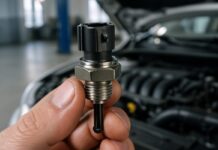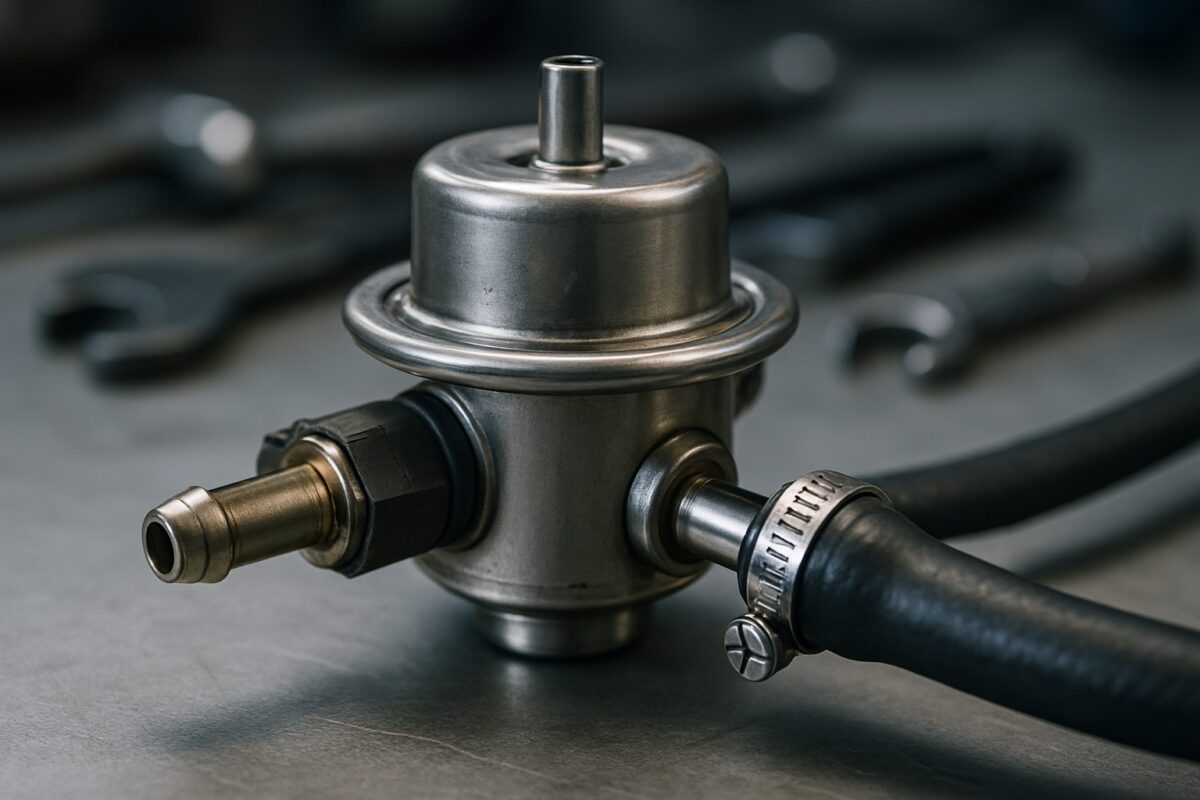
The fuel pressure regulator is a crucial component that maintains optimal fuel system pressure in your vehicle. This small but vital device ensures your engine receives the correct amount of fuel at proper pressure levels, directly affecting performance, efficiency, and emissions. Understanding its operation and recognising failure symptoms can save you from costly repairs and potential breakdowns.
Inconsistent engine performance and poor acceleration
One of the most noticeable symptoms of a failing fuel pressure regulator is erratic engine performance. When the regulator malfunctions, it can’t maintain consistent fuel pressure throughout the system. This leads to irregular fuel delivery to the engine’s cylinders.
During acceleration, you might experience hesitation or stumbling. The engine may feel sluggish when you press the accelerator pedal. Some drivers describe this sensation as the car “jerking” or “stuttering” during normal driving conditions.
The inconsistency becomes particularly apparent under load conditions. Climbing hills or overtaking other vehicles may prove challenging. Your engine might struggle to generate sufficient power, even though the throttle response feels delayed.
This performance degradation occurs because an unreliable regulator creates pressure fluctuations. Too little pressure starves the engine of fuel. Conversely, excessive pressure floods the cylinders with more fuel than needed. Both scenarios disrupt the precise air-fuel mixture your engine requires for optimal combustion.
Modern engines with sophisticated fuel injection systems are particularly sensitive to pressure variations. The fuel pressure regulator must work in harmony with other components like injectors and sensors to maintain proper engine operation.
Black smoke from exhaust and fuel odours
A failing fuel pressure regulator often produces visible symptoms through your vehicle’s exhaust system. When the regulator allows excessive fuel pressure, it creates an overly rich fuel mixture. This condition manifests as thick, black smoke emerging from your tailpipe.
The black smoke is particularly noticeable during cold starts or heavy acceleration. Unlike normal water vapour that dissipates quickly, this smoke persists and has a distinctive acrid smell. The darkness indicates unburnt fuel particles being expelled through the exhaust system.
Accompanying this visual symptom, you’ll likely detect strong fuel odours around your vehicle. These smells can be present near the engine bay or even inside the passenger compartment. The excess fuel that doesn’t combust properly creates these pungent vapours.
Fuel odours pose safety concerns beyond just unpleasant smells. They indicate potential fire hazards and suggest your engine isn’t operating efficiently. Additionally, the wasted fuel significantly impacts your vehicle’s fuel economy, leading to more frequent trips to the petrol station.
The rich mixture condition also affects your vehicle’s emissions system. It can damage or prematurely wear out components like the catalytic converter and oxygen sensors. These expensive components struggle to process the excessive unburnt fuel, potentially failing earlier than expected.
Engine misfiring and rough idle symptoms
Engine misfiring represents another common symptom of fuel pressure regulator failure. Misfires occur when individual cylinders fail to combust fuel properly due to incorrect fuel pressure levels. You’ll feel these misfires as vibrations through the steering wheel, seats, or floorboards.
During idle conditions, a faulty regulator creates an unstable fuel supply. This instability causes the engine to run roughly, with noticeable fluctuations in RPM. The engine might sound irregular, with periods of smooth operation interrupted by rough patches.
Some vehicles experience complete stalling during idle periods. Traffic lights or stop signs become problematic when your engine unexpectedly shuts off. Restarting might prove difficult, requiring multiple attempts before the engine catches and runs properly.
The misfiring often worsens under specific conditions. Cold weather, when fuel viscosity changes, can exacerbate regulator problems. Similarly, low fuel levels in the tank might intensify symptoms as the fuel pump works harder to maintain pressure.
Modern vehicles equipped with diagnostic systems often illuminate the check engine light when misfires occur. However, pinpointing the regulator as the root cause requires proper diagnostic testing. Other components like spark plugs or ignition coils can produce similar symptoms.
Warning signs your car has a problem
Several warning signs indicate potential fuel pressure regulator issues before complete failure occurs. Recognising these early symptoms allows for timely repairs and prevents more extensive damage.
Pay attention to changes in your vehicle’s starting behaviour. Difficulty starting, especially after the car has been parked for several hours, suggests fuel pressure problems. The engine might crank longer than usual before catching, or require multiple attempts to start successfully.
Monitor your fuel consumption patterns carefully. A sudden decrease in fuel economy without changes in driving habits often indicates fuel system problems. The regulator might be allowing excessive fuel flow, wasting petrol and increasing operating costs.
Listen for unusual sounds from the fuel system area. A properly functioning fuel system operates quietly. Strange whining, buzzing, or clicking noises from the fuel tank or engine bay warrant investigation.
Professional tip: Keep a fuel consumption log for several weeks. Sudden changes of 15% or more in fuel economy often indicate fuel system component failures, including regulator problems.
How to fix the problems
Addressing fuel pressure regulator problems requires a systematic approach. Professional diagnosis should precede any repair attempts to confirm the regulator as the root cause rather than other fuel system components.
| Repair Method | Difficulty Level | Estimated Cost | Time Required |
|---|---|---|---|
| Regulator Replacement | Moderate | £50-£150 | 2-3 hours |
| Fuel System Flush | Professional | £80-£200 | 1-2 hours |
| Complete Fuel Rail Service | High | £200-£500 | 4-6 hours |
Before attempting repairs, ensure you have proper safety equipment and workspace ventilation. Fuel system work involves flammable liquids and requires specific precautions to prevent fires or explosions.
The replacement process typically involves locating the regulator, which may be mounted on the fuel rail or integrated into the fuel pump assembly. Modern vehicles often house the regulator inside the fuel tank, requiring tank removal for access.
During replacement, inspect related components for wear or damage. Fuel filters should be replaced simultaneously to ensure clean fuel reaches the new regulator. Check fuel lines for cracks, deterioration, or loose connections.
| Component Check | What to Look For | Action Required |
|---|---|---|
| Fuel Lines | Cracks, swelling, hardening | Replace if damaged |
| Connections | Corrosion, looseness | Clean and tighten |
| Fuel Filter | Age, contamination | Replace during service |
Expert advice from AutoPartsPro mechanics: Always replace the fuel filter when servicing the pressure regulator. Contaminated fuel is a leading cause of regulator failure, so ensuring clean fuel supply prevents premature replacement.
When to see a mechanic
Certain situations require professional mechanical expertise rather than DIY repairs. Fuel system problems can escalate quickly, potentially causing expensive engine damage or safety hazards.
Seek professional help immediately if you smell fuel inside the vehicle cabin. This indicates a serious leak that poses fire risks and health hazards from fuel vapour inhalation. Professional diagnosis can locate the source and implement proper repairs safely.
Multiple fuel system warning lights or diagnostic codes suggest complex problems beyond simple regulator replacement. Modern vehicles integrate fuel pressure monitoring with engine management systems. Professional diagnostic equipment can accurately identify which components require attention.
If your vehicle fails to start consistently or stalls frequently in traffic, professional assistance prevents dangerous situations. Unreliable starting compromises safety, particularly in busy traffic areas or remote locations.
Consider professional service when fuel economy drops dramatically without obvious causes. Mechanics can perform comprehensive fuel system testing to identify all contributing factors. This holistic approach often proves more cost-effective than replacing components individually.
Professional services become essential for vehicles still under warranty. Incorrect DIY repairs might void warranty coverage, while authorised repairs maintain protection and often include parts guarantees.
How do I know if my fuel pressure regulator is faulty?
Common signs include rough idling, poor acceleration, black exhaust smoke, fuel odours, engine misfiring, and decreased fuel economy during normal driving conditions.
Can I drive with a bad fuel pressure regulator?
Driving is possible short-term, but risks engine damage, poor performance, increased fuel consumption, and potential safety hazards from fuel leaks or stalling.
How much does fuel pressure regulator replacement cost?
Replacement costs typically range from £80-£300 including parts and labour, depending on vehicle make, regulator location, and local labour rates.
Where is the fuel pressure regulator located in my car?
Location varies by vehicle; commonly found on the fuel rail, integrated within the fuel pump assembly, or mounted near the engine bay.
How long does a fuel pressure regulator typically last?
Most regulators last 80,000-120,000 miles with proper maintenance, though contaminated fuel, age, and driving conditions can affect lifespan significantly.
Final recommendation
The fuel pressure regulator plays a vital role in your vehicle’s fuel delivery system, and recognising failure symptoms early prevents costly repairs and safety issues. Our AutoPartsPro specialists recommend regular fuel system maintenance, including filter replacements and quality fuel usage, to maximise regulator lifespan.
When symptoms appear, prompt professional diagnosis ensures accurate problem identification. While some repairs seem straightforward, fuel system work requires proper safety precautions and technical knowledge. Professional mechanics possess diagnostic tools and expertise to address complex fuel system interactions safely.
Prevention remains the most cost-effective approach to fuel pressure regulator maintenance. Regular maintenance schedules, quality fuel choices, and prompt attention to warning signs help avoid emergency repairs. Remember, investing in preventive maintenance costs significantly less than major engine rebuilds caused by fuel system neglect.

 Loading...