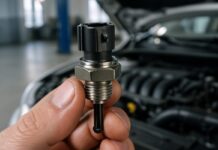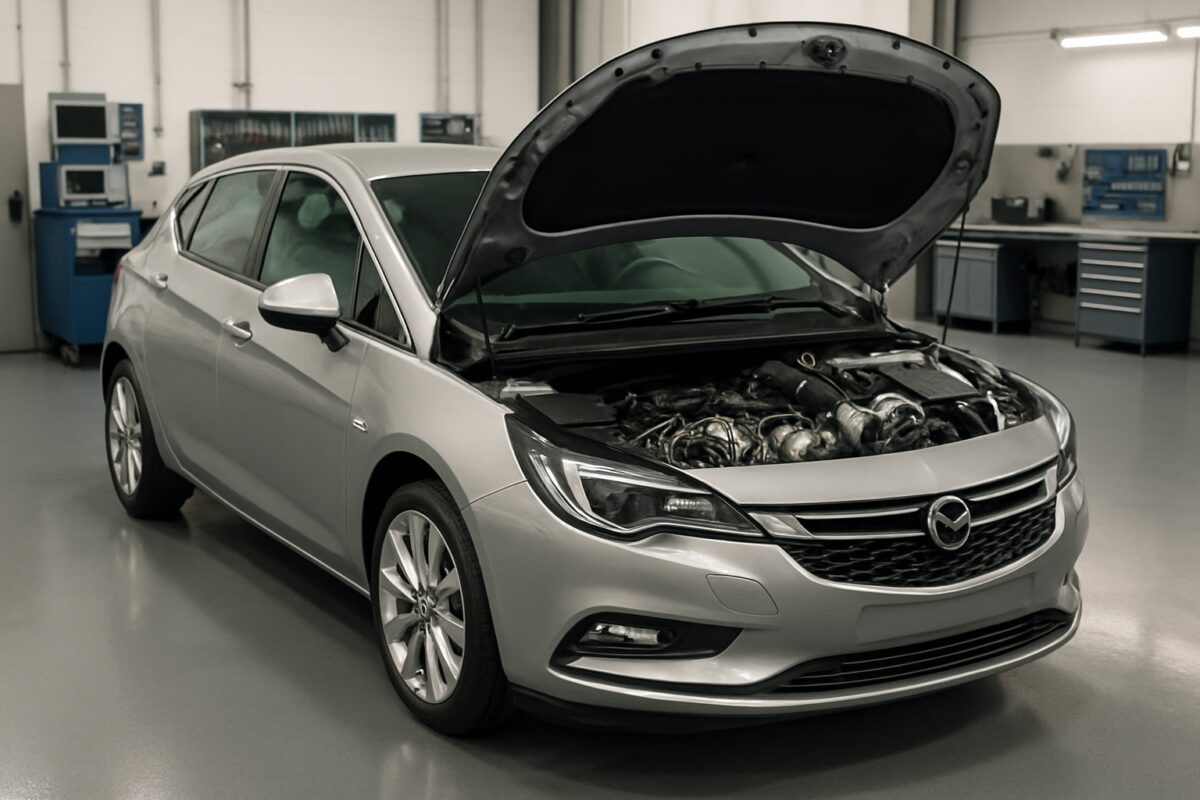
The Opel Astra K, produced from 2015 to 2021, remains a popular choice amongst British motorists. However, like any vehicle, this generation of Astra has developed some concerning problems with the Opel Astra K that owners should be aware of. Understanding these common issues can help you make informed decisions about repairs and maintenance.
Turbocharger failures
One of the most significant problems with the Opel Astra K involves the turbocharger system. Many owners report premature turbocharger failures, particularly in diesel variants.
The 1.6 CDTI engine suffers from turbo actuator problems, where the electronic control unit fails to regulate boost pressure correctly. This results in reduced power output and increased fuel consumption. The turbocharger itself can also develop oil seal failures, causing excessive oil consumption and blue smoke from the exhaust.
Symptoms include a noticeable lack of power during acceleration, unusual whistling or whining noises from the engine bay, and black or blue smoke from the exhaust. According to our mechanics at Autopartspro, these issues often stem from poor oil quality or extended service intervals.
Regular oil changes using high-quality engine oil are crucial for turbocharger longevity. Never ignore unusual noises or power loss symptoms.
Gearbox malfunctions
The Astra K’s automatic transmission presents several concerning issues. The six-speed automatic gearbox, particularly in early production models, suffers from jerky shifting and hesitation during gear changes.
Many owners experience rough shifting between second and third gears, especially when the transmission is cold. The gearbox control module can also malfunction, causing the transmission to enter limp mode unexpectedly. Some vehicles require complete transmission fluid changes or even gearbox replacements under warranty.
Manual gearboxes aren’t immune either. The clutch mechanism can develop premature wear, particularly in vehicles driven frequently in stop-and-start traffic. Our specialists frequently see clutch replacements needed before 60,000 miles in urban driving conditions.
Electronic system failures
Modern Astra K models rely heavily on electronic systems, which unfortunately prove problematic. The IntelliLux LED headlight system frequently malfunctions, with individual LED elements failing prematurely.
The infotainment system also presents issues, including frozen screens, Bluetooth connectivity problems, and complete system crashes. Software updates sometimes resolve these problems, but hardware replacement is often necessary.
Dashboard warning lights appear without apparent cause, particularly the ABS warning light and engine management light. These issues often relate to faulty sensors or wiring harness problems rather than actual component failures.
Engine cooling problems
The Astra K’s cooling system develops several concerning issues. The radiator thermostat frequently fails, causing the engine to run too cold or overheat. This problem affects both petrol and diesel variants.
Water pump failures occur prematurely, typically around 80,000 miles. The cooling fan motor also develops faults, particularly the resistor pack that controls fan speeds. These failures can lead to serious engine damage if not addressed promptly.
Coolant leaks from the expansion tank and radiator hoses are common, especially on higher-mileage vehicles. Regular cooling system maintenance proves essential for preventing catastrophic engine damage.
Monitor your coolant level weekly and investigate any unexplained drops immediately. Engine overheating can cause expensive damage within minutes.
Warning signs your car has a problem
Recognising early warning signs can prevent minor issues becoming major repairs. Watch for these common symptoms:
- Unusual engine noises, particularly whistling or grinding sounds
- Dashboard warning lights that persist after restarting
- Rough or jerky gear changes in automatic transmissions
- Excessive exhaust smoke, especially blue or black emissions
- Infotainment system freezes or connection failures
Physical signs include coolant puddles beneath the vehicle, unusual vibrations through the steering wheel, and reduced fuel economy without explanation.
How to fix the problems
Addressing these issues requires systematic diagnosis and proper parts selection. Here’s our recommended approach:
| Problem | Typical Cost | Repair Time | Parts Required |
|---|---|---|---|
| Turbocharger replacement | £1,200-£2,500 | 6-8 hours | Complete turbo unit, gaskets, oil |
| Gearbox overhaul | £2,000-£4,000 | 12-16 hours | Clutch kit, seals, transmission fluid |
| Cooling system repair | £300-£800 | 3-5 hours | Water pump, thermostat, coolant |
| Electronic module replacement | £400-£1,200 | 2-4 hours | Control module, programming |
For turbocharger issues, replacement with genuine or OEM equivalent parts provides the most reliable solution. Cheaper alternatives often fail prematurely. Regular oil changes using quality synthetic oil help prevent future turbo problems.
Gearbox problems typically require professional diagnosis using manufacturer diagnostic equipment. Software updates may resolve some automatic transmission issues, but mechanical problems need component replacement.
When to see a mechanic
Seek professional assistance immediately if you experience:
- Complete loss of power or acceleration
- Transmission refusing to engage gears
- Engine overheating warnings
- Multiple dashboard warning lights simultaneously
- Unusual noises from the engine or transmission
Don’t attempt DIY repairs on complex electronic systems or turbochargers. These components require specialist tools and knowledge. However, basic maintenance like oil changes and air filter replacements can prevent many problems.
Choose mechanics familiar with Opel vehicles and their specific diagnostic requirements. Generic fault codes often don’t reveal the true underlying problems in these vehicles.
Frequently asked questions (FAQ)
How reliable is the Opel Astra K overall?
The Astra K shows average reliability with known issues mainly affecting turbochargers, transmissions, and electronic systems in early production models.
What’s the most expensive repair on an Astra K?
Automatic gearbox replacement represents the costliest repair, potentially reaching £4,000 including labour and programming charges from specialist workshops.
Can I prevent turbocharger problems through maintenance?
Yes, regular oil changes using quality synthetic oil and allowing proper warm-up periods significantly reduce turbocharger failure risks.
Are Astra K parts expensive compared to competitors?
Opel parts pricing sits in the mid-range bracket, more expensive than budget brands but cheaper than premium marques.
Should I buy an extended warranty for my Astra K?
Given the known electronic and mechanical issues, extended warranty coverage can provide valuable protection against expensive repairs.
| Component | Average Lifespan | Replacement Cost | Prevention Tips |
|---|---|---|---|
| Turbocharger | 100,000-150,000 miles | £1,500-£2,500 | Quality oil, regular changes |
| Automatic gearbox | 120,000-180,000 miles | £2,500-£4,000 | Gentle driving, fluid changes |
| Water pump | 80,000-120,000 miles | £300-£600 | Coolant system maintenance |
Final recommendation
The Opel Astra K remains a capable family hatchback despite its documented problems. Early production models from 2015-2017 show more issues than later examples. If you’re considering purchase, factor potential repair costs into your budget.
For current owners, preventive maintenance proves crucial. Regular servicing using quality parts and fluids can prevent many expensive failures. Proper maintenance schedules and prompt attention to warning signs will maximise your vehicle’s reliability.
Our Autopartspro mechanics recommend budgeting approximately £800-1,200 annually for maintenance and potential repairs on higher-mileage Astra K models. This investment in proper care will reward you with dependable motoring for years to come.

 Loading...