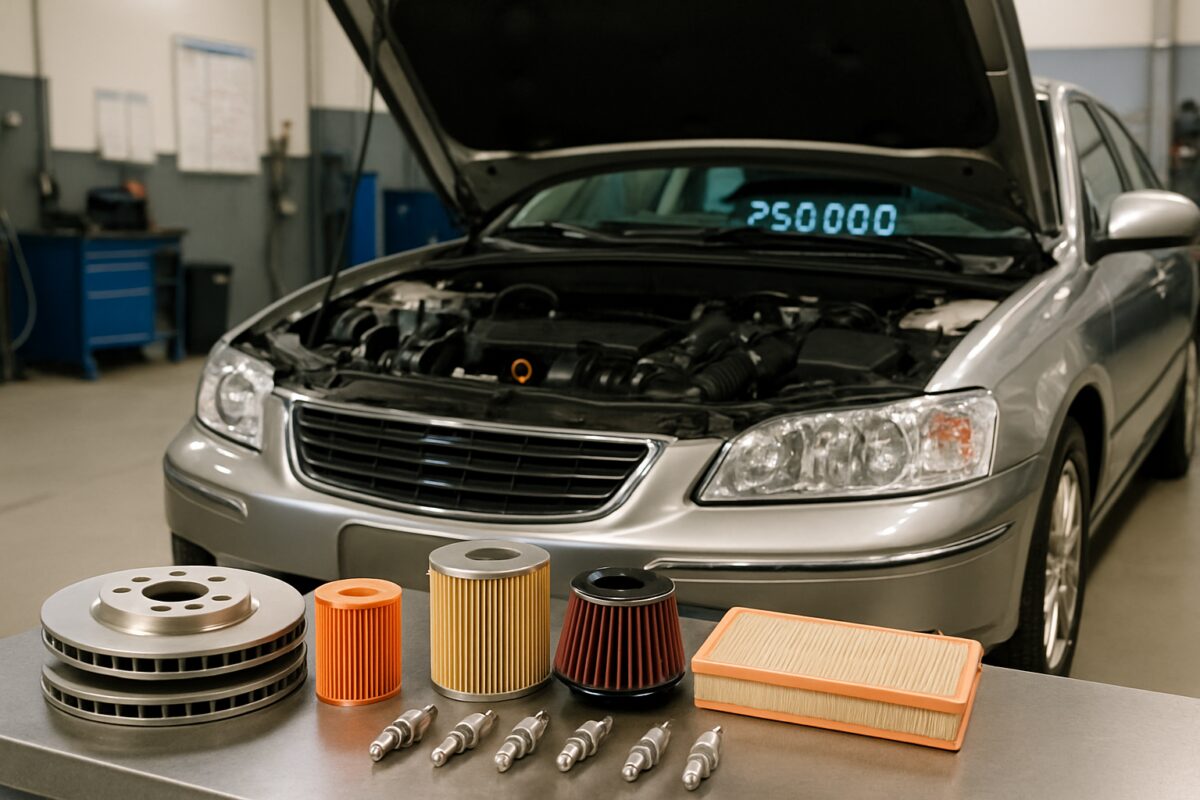
Modern cars typically last between 15-20 years and can cover 200,000-300,000 miles with proper maintenance, though some vehicles exceed 500,000 miles. The average car lifespan depends on factors including build quality, maintenance frequency, driving conditions, and component reliability. Regular servicing, using quality parts, and addressing issues promptly significantly extend vehicle longevity beyond the typical 150,000-mile mark many drivers expect.
Understanding vehicle lifespan helps you make informed decisions about car purchases, maintenance schedules, and replacement timing. Our mechanics at AutoPartsPro regularly see vehicles that have exceeded expectations through diligent care and quality component replacement.
Factors that determine car longevity
Several key elements influence how long your motor will serve you reliably. Build quality stands as the primary factor – manufacturers like Toyota, Honda, and Mercedes-Benz consistently produce vehicles that surpass 200,000 miles when maintained properly.
Maintenance frequency directly correlates with vehicle lifespan. Cars receiving regular oil changes, air filter replacements, and component inspections typically outlast neglected vehicles by decades. Our workshop data shows that vehicles serviced every 6 months average 40% longer lifespans than those serviced annually.
Driving conditions significantly impact longevity. City driving with frequent stops and starts causes more wear than motorway cruising. Extreme temperatures, whether hot summers or freezing winters, stress engine components and cooling systems more severely.
Component-specific lifespan expectations
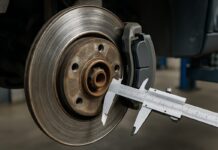
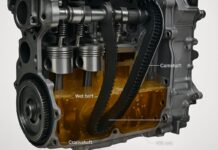
Different vehicle systems have varying durability expectations. Engine blocks often last the vehicle’s lifetime with proper oil changes, whilst components like brake pads require replacement every 25,000-60,000 miles depending on driving style.
Transmission systems typically last 150,000-200,000 miles with regular fluid changes. Automatic gearboxes generally require more attention than manual transmissions. Electronic components like ECUs and sensors may need replacement between 100,000-150,000 miles as technology ages.
| Component | Expected Lifespan (Miles) | Replacement Frequency |
|---|---|---|
| Engine Block | 200,000-400,000+ | Lifetime with maintenance |
| Transmission | 150,000-200,000 | Once or twice |
| Brake System | 25,000-60,000 | Multiple times |
| Suspension | 80,000-120,000 | 1-2 times |
Mileage milestones and what they mean
Certain mileage markers indicate specific maintenance needs and potential component failures. Understanding these milestones helps you prepare for upcoming expenses and maintenance requirements.
At 60,000-80,000 miles, many vehicles require major service items including timing belt replacement, transmission fluid changes, and cooling system maintenance. This period often coincides with the first significant repair bills that determine whether owners continue maintaining their vehicle.
The 100,000-mile barrier
Reaching 100,000 miles represents a significant milestone where original equipment typically shows wear signs. Shock absorbers, suspension bushings, and engine mounts often require attention at this stage.
Many manufacturers design components to last just beyond warranty periods, meaning 100,000+ mile vehicles need more frequent attention. However, this doesn’t signal the end – it marks the beginning of the high-maintenance phase where proactive care extends lifespan significantly.
Professional Tip: Replace wear items before they fail completely. A failing water pump costs £200-300 to replace, but engine damage from overheating can cost thousands. Prevention always costs less than repair.
Brand reliability and expected lifespans
Different manufacturers demonstrate varying longevity patterns based on engineering approaches and component quality. Japanese brands consistently rank highest for reliability and longevity, with Toyota and Honda vehicles regularly exceeding 300,000 miles.
German manufacturers like BMW, Mercedes-Benz, and Audi produce sophisticated vehicles that can achieve high mileage but require more frequent and expensive maintenance. These vehicles often reach 200,000+ miles when properly maintained but cost more to keep running.
British and American manufacturers show improvement in recent decades. Ford, Vauxhall, and Jaguar vehicles from 2010 onwards demonstrate significantly better longevity than earlier models, often reaching 150,000-200,000 miles with reasonable maintenance costs.
- Exceptional longevity (300,000+ miles): Toyota, Honda, Lexus
- Very good longevity (200,000-300,000 miles): Mazda, Subaru, Mercedes-Benz
- Good longevity (150,000-200,000 miles): Ford, BMW, Volkswagen
- Average longevity (100,000-150,000 miles): Fiat, Renault, older British models
Electric vehicle longevity considerations
Electric vehicles present different longevity factors compared to traditional petrol or diesel motors. Battery packs typically maintain 80% capacity after 150,000-200,000 miles, though replacement costs remain significant.
Electric motors have fewer moving parts than internal combustion engines, potentially lasting 300,000+ miles with minimal maintenance. However, electronic control systems and charging components may require attention sooner than mechanical alternatives.
Maintenance strategies for maximum lifespan
Implementing proper maintenance schedules dramatically extends vehicle lifespan beyond manufacturer expectations. Our workshop experience shows that vehicles following strict maintenance protocols regularly achieve 250,000+ miles.
Oil changes represent the most critical maintenance task. Using quality oil and changing at recommended intervals prevents engine wear and maintains lubrication effectiveness. Synthetic oils often allow longer intervals but shouldn’t exceed manufacturer recommendations.
Cooling system maintenance prevents catastrophic engine failure. Water pump replacement every 100,000 miles and coolant changes every 40,000 miles maintain optimal engine temperatures and prevent corrosion.
- Follow manufacturer service schedules religiously
- Use quality replacement parts from reputable suppliers
- Address warning signs immediately before they become failures
- Keep detailed maintenance records for resale value
- Store vehicles properly during extended periods of non-use
The role of quality parts in longevity
Using genuine or equivalent quality replacement parts significantly impacts vehicle lifespan. Cheap aftermarket components often fail prematurely, causing secondary damage to other systems and reducing overall reliability.
Our AutoPartsPro mechanics consistently observe that vehicles maintained with quality components outlast those using budget alternatives by 30-40%. The initial cost difference pales compared to premature replacement expenses and potential damage costs.
Critical components like brake rotors, suspension components, and engine sensors deserve particular attention. These safety-critical parts shouldn’t compromise on quality regardless of vehicle age or value.
| Maintenance Task | Frequency | Impact on Longevity |
|---|---|---|
| Oil Changes | Every 6,000-10,000 miles | Critical |
| Filter Replacements | Every 12,000-20,000 miles | High |
| Brake Inspections | Every 20,000 miles | Medium |
| Timing Belt | Every 60,000-100,000 miles | Critical |
Signs your car is reaching end of life
Several indicators suggest when a vehicle approaches the end of its economical lifespan. Repair costs exceeding 50% of the car’s value often signal retirement time, though sentimental value and specific needs may justify continued maintenance.
Structural rust, particularly around load-bearing areas, represents a serious concern. Surface rust can be addressed, but chassis corrosion often proves uneconomical to repair properly and affects safety significantly.
Repeated failures of the same system indicate underlying problems that may prove costly to resolve completely. When engine mounts fail repeatedly, it often suggests engine misalignment or excessive vibration that requires major work.
- Annual repair costs exceed vehicle value
- Major structural rust or chassis damage
- Engine or transmission requiring complete rebuild
- Multiple electronic system failures
- Safety systems no longer functioning properly
Economic considerations for older vehicles
Calculating the true cost of maintaining older vehicles helps determine optimal replacement timing. Include insurance, road tax, fuel efficiency, and reliability factors alongside repair costs for accurate comparison.
Older vehicles often require more frequent attention, increasing downtime and inconvenience costs. Factor in alternative transport expenses when your primary vehicle undergoes repairs regularly.
Extending vehicle life through proper care
Professional mechanics observe specific patterns in vehicles that achieve exceptional longevity. These cars typically receive attention before problems develop into failures, maintaining optimal performance throughout their lifespan.
Regular inspections identify wear patterns and potential issues before they cause secondary damage. A failing CV joint caught early costs £150-250 to replace, but allowing it to fail completely can damage the transmission and cost thousands.
Storage conditions significantly impact vehicle longevity. Cars kept in garages away from weather extremes last significantly longer than those exposed to elements constantly. UV radiation, salt air, and temperature fluctuations accelerate deterioration of seals, plastics, and metal components.
- Perform regular visual inspections for leaks, wear, and damage
- Address unusual noises, vibrations, or performance changes immediately
- Maintain detailed service records and follow up on recommendations
- Use your vehicle regularly – standing vehicles deteriorate faster than driven ones
- Protect from environmental damage through proper storage
The importance of driving habits
How you drive directly affects vehicle lifespan. Gentle acceleration, gradual braking, and avoiding extreme RPMs reduce component stress and extend service intervals significantly.
Warming up engines properly, especially in cold weather, prevents excessive wear during initial operation. Similarly, allowing turbo engines to cool down before switching off prevents premature turbocharger failure.
Modern vehicles with sophisticated electronics benefit from regular highway driving that allows systems to complete learning cycles and burn off deposits. City-only driving can cause issues that motorway miles help prevent.
Understanding your vehicle’s capabilities and limitations helps you make decisions that promote longevity rather than performance. A well-maintained car that’s driven sympathetically can easily exceed 250,000 miles whilst maintaining reliability and reasonable running costs. The key lies in consistent care, quality components, and addressing issues before they become expensive problems. Whether you’re maintaining a high-mileage vehicle or planning for the future, proper maintenance remains the single most important factor in achieving maximum vehicle lifespan.
Frequently Asked Questions (FAQ)
How many miles should a car last?
A well-maintained modern car should easily last 150,000-200,000 miles, with many exceeding 250,000-300,000 miles through proper care and quality maintenance.
Is 100,000 miles on a car bad?
100,000 miles isn’t bad for modern vehicles. It’s typically when major services are due, but with proper maintenance, cars regularly exceed this milestone significantly.
What car brand lasts the longest?
Toyota and Honda consistently rank highest for longevity, with many models regularly exceeding 300,000 miles when properly maintained throughout their lifespan.
How do I know if my car will last longer?
Regular maintenance, quality parts, consistent service records, and addressing issues early indicate potential for extended lifespan beyond typical expectations.
At what mileage do cars start having problems?
Most cars begin experiencing increased maintenance needs around 80,000-100,000 miles, though this varies significantly based on maintenance history and build quality.

 Loading...