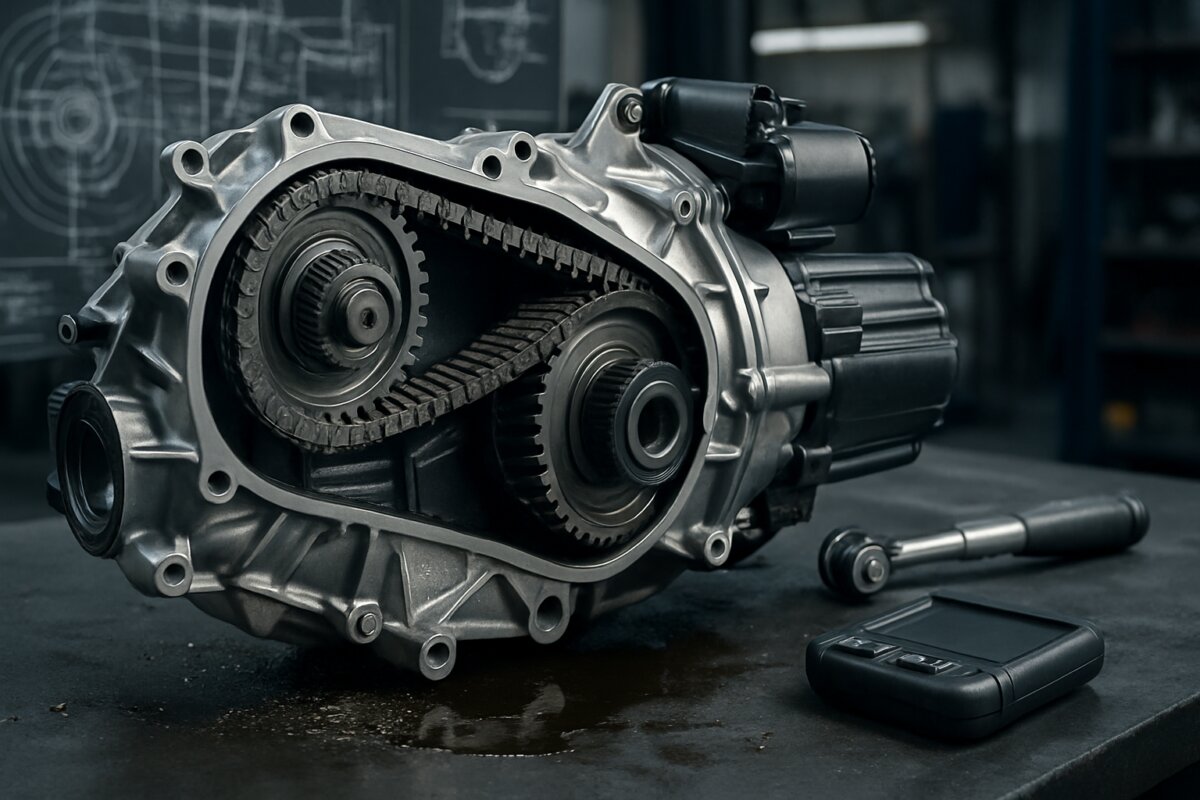
The BMW X5 transfer case failure is a serious concern for owners of this premium SUV, particularly those with xDrive models. This component distributes power between the front and rear axles, and when it fails, you’ll face substantial repair bills ranging from £1,500 to £4,500 depending on whether you opt for a remanufactured unit or a brand-new BMW part. Understanding the causes, symptoms, and repair costs of transfer case problems can save you from unexpected breakdowns and help you budget accordingly.
Fluid contamination and overheating damage
One of the primary culprits behind BMW X5 transfer case failure is contaminated or degraded fluid. The transfer case relies on specialised automatic transmission fluid to lubricate internal components and dissipate heat. When this fluid breaks down or becomes contaminated with metal particles, friction increases dramatically.
According to our specialists at Autopartspro, many BMW owners neglect transfer case fluid changes, assuming the system is maintenance-free. This misconception leads to overheating, which warps internal gears and damages bearings. The heat generated can exceed 150°C, well beyond the fluid’s thermal tolerance.
Metal shavings from worn gears circulate through the system, creating an abrasive slurry that accelerates wear. The magnetic drain plug typically shows significant metallic buildup when this problem exists. Our technicians recommend fluid changes every 50,000 miles, despite BMW’s official stance that the fluid is ‘lifetime’ – a term that rarely matches the vehicle’s actual lifespan.
Contamination also occurs when gaskets and seals deteriorate, allowing moisture ingress. Water in the transfer case fluid creates a milky appearance and promotes rust formation on internal components. This is particularly common in vehicles used for off-road driving or those operated in wet climates where water crossings are frequent.
Chain stretch and actuator motor problems
The transfer case chain, which physically transfers power between the front and rear outputs, stretches over time due to constant tension and thermal cycling. This chain operates under immense stress, especially during aggressive acceleration or when navigating difficult terrain. Once stretch exceeds factory tolerances, the timing between front and rear axles becomes mismatched.
BMW X5 models from 2007 to 2013 are particularly susceptible to actuator motor failure. This electric motor controls the engagement and position of the transfer case clutch pack. When it fails, you may experience flickering xDrive warning lights, inability to engage four-wheel drive, or complete system shutdown. The actuator motor contains plastic gears that strip under load, a design flaw acknowledged by many BMW technicians.
Chain stretch creates excessive noise – a characteristic rattling or grinding sound most noticeable during acceleration from a standstill. Our mechanics at Autopartspro have observed that once the chain stretches beyond 2% of its original length, catastrophic failure typically occurs within 5,000 to 10,000 miles. At this point, the chain can break, sending fragments throughout the transfer case housing and destroying multiple components simultaneously.
The actuator motor itself costs between £300-£600, but labour adds significantly to the bill. Replacement requires removing the exhaust system and propshaft to access the unit. Total repair costs for actuator replacement alone typically reach £800-£1,200 at independent workshops.
Bearing seizure and internal gear damage
Transfer case bearings endure tremendous radial and axial loads, supporting rotating shafts whilst maintaining precise alignment. When lubrication fails or contamination occurs, these bearings begin to fail progressively. The process starts with pitting on the bearing races, advances to spalling (where material flakes off), and ultimately results in complete seizure.
Seized bearings generate extreme heat and can weld themselves to their mounting surfaces. This creates a cascading failure where the seized component damages connected gears and shafts. Our technicians have documented cases where bearing failure destroyed the entire transfer case within 100 miles of initial symptoms appearing.
Internal gears, typically made from hardened steel, can still suffer damage from shock loads, improper engagement, or pre-existing bearing problems. The planetary gear set inside the transfer case is particularly vulnerable. These small gears rotate at high speeds and depend on continuous oil film protection. When this protection fails, gear teeth chip, crack, or shear completely off.
Once gear damage begins, metal contamination spreads throughout the system. Even if you replace damaged gears, residual metallic particles will attack new components unless the entire case is thoroughly cleaned. This is why many mechanics recommend complete unit replacement rather than attempting internal repairs. The labour to disassemble, clean, replace components, and reassemble often exceeds the cost of a remanufactured unit.
Tip: Always inspect the condition of CV joints and hub bearings when replacing a transfer case, as vibration from worn components may have contributed to the transfer case failure.
Warning signs your car has a problem
Identifying transfer case issues early can prevent complete failure and reduce repair costs substantially. Your BMW X5 will communicate problems through various symptoms that shouldn’t be ignored.
Strange noises represent the most obvious warning sign. Listen for grinding, whining, or humming sounds that change with vehicle speed. These noises typically indicate bearing wear or gear mesh problems. The sounds may be most pronounced during acceleration or deceleration, when load on the transfer case changes dramatically.
Vibration felt through the cabin, particularly at motorway speeds, suggests imbalance or misalignment within the drivetrain. The transfer case must spin perfectly true; any wobble creates vibration that resonates through the engine mounts and chassis. This vibration often feels like a rhythmic pulsing through the floor or steering wheel.
Difficulty shifting gears or feeling the vehicle ‘bind’ during tight turns indicates problems with the torque distribution system. The transfer case should allow slight speed differences between front and rear axles during cornering. When this function fails, the drivetrain binds, creating jerking sensations and potential damage to other components like the differential.
- Dashboard warning lights, specifically the xDrive and 4×4 system indicators, illuminating constantly or intermittently
- Fluid leaks beneath the vehicle, particularly near the centre of the chassis where the transfer case mounts
- Unusual burning smell from beneath the vehicle, suggesting overheating transmission or transfer case fluid
How to fix the problems
Addressing transfer case issues requires a systematic approach, with repair complexity depending on failure severity.
| Repair Type | Description | Cost Range (Parts + Labour) | Timeframe |
|---|---|---|---|
| Fluid Service | Complete fluid drain and refill with BMW-spec fluid, including filter replacement where applicable | £200-£350 | 2-3 hours |
| Actuator Motor Replacement | Replacement of electric actuator motor and associated wiring harness | £800-£1,200 | 4-6 hours |
| Seal and Gasket Replacement | Replacing output shaft seals and case gaskets to prevent leaks | £400-£700 | 3-5 hours |
| Remanufactured Unit | Complete transfer case replacement with remanufactured unit | £1,500-£2,500 | 6-8 hours |
| New BMW Unit | Brand new OEM transfer case from BMW | £3,000-£4,500 | 6-8 hours |
For preventative maintenance, regular fluid changes represent the most cost-effective strategy. This simple service dramatically extends transfer case life and costs a fraction of major repairs. Always use BMW-approved fluids that meet the correct viscosity and friction modifier specifications.
When replacement becomes necessary, remanufactured units offer excellent value. Quality remanufactured transfer cases undergo complete disassembly, cleaning, and rebuilding with new wear components. They typically include warranties of 12-24 months, providing peace of mind. Our specialists at Autopartspro recommend verifying that any remanufactured unit includes new bearings, seals, chain, and actuator motor.
Tip: When replacing a transfer case, also inspect and potentially replace the transmission filter and fluid, as contamination from a failing transfer case can spread to connected systems.
When to see a mechanic
Some transfer case symptoms demand immediate professional attention. Don’t continue driving if you experience sudden loss of power to the wheels, especially if accompanied by loud grinding or banging noises. These symptoms indicate catastrophic internal failure that could leave you stranded or cause accidents.
Schedule an inspection within a week if you notice warning lights, unusual noises, or vibrations. Early diagnosis typically reveals less expensive problems that can be addressed before cascading failures occur. A qualified technician will perform a comprehensive inspection including fluid analysis, visual examination for leaks, and diagnostic scanning of the xDrive control units.
For routine maintenance, have your transfer case fluid inspected every 30,000 miles and changed every 50,000-60,000 miles. This preventative service costs far less than repairs and can prevent most common failures. During these services, technicians should also inspect related components including the CV axle assemblies and drive shaft support bearings.
Choose a mechanic with specific BMW experience and diagnostic equipment. Transfer case issues often trigger complex fault codes that generic code readers cannot properly interpret. Proper diagnosis requires BMW-specific software that can interrogate the xDrive module and monitor real-time transfer case operation.
Frequently Asked Questions (FAQ)
How long does a BMW X5 transfer case typically last?
With proper maintenance, including regular fluid changes, a BMW X5 transfer case should last 150,000-200,000 miles. Neglecting maintenance or aggressive driving can reduce this to 80,000-100,000 miles before major problems develop.
Can I drive my X5 with a failing transfer case?
Driving with minor symptoms like slight noises is possible short-term, but risks catastrophic failure. Complete transfer case seizure can damage the transmission, suspension components, and even cause loss of vehicle control. Seek immediate repair.
Is transfer case failure covered under BMW warranty?
Original BMW warranties cover transfer case defects for 3 years or 60,000 miles. Extended warranties may provide additional coverage. Failures due to lack of maintenance or modifications are typically excluded from warranty coverage.
What’s the difference between remanufactured and new transfer cases?
Remanufactured units use the original housing with all internal components replaced or restored to specification. New units are completely fresh from BMW. Performance is typically identical, whilst remanufactured units cost 40-60% less.
Will transfer case failure damage other drivetrain components?
Yes, transfer case failure can contaminate the transmission with metal particles and create shock loads that damage the front and rear differentials. Catastrophic failure can also destroy the flywheel, clutch, or torque converter depending on your X5’s configuration.
Final recommendation
BMW X5 transfer case failure represents a significant but manageable problem when addressed promptly. Our technicians at Autopartspro strongly advocate for preventative maintenance as your best defence against expensive repairs. Regular fluid changes, careful monitoring of symptoms, and immediate professional attention when problems arise can save thousands of pounds.
For vehicles approaching 100,000 miles without documented transfer case service, we recommend immediate fluid replacement and comprehensive inspection. This modest investment identifies developing problems before they become catastrophic. When replacement becomes necessary, quality remanufactured units offer excellent value without compromising reliability. Always pair transfer case work with inspection of related systems including brake components and shock absorbers, as vibration from a failing transfer case accelerates wear throughout the vehicle. Don’t delay repairs – the longer you wait, the more expensive the final bill becomes.

 Loading...