Kia’s transformation from budget brand to reliable manufacturer has been remarkable. Once known for cheap cars with questionable reliability, the Korean automaker now competes with established European and Japanese brands. Their extended warranties, improved build quality, and modern technology have changed perceptions dramatically.
Older Kia models with known reliability issues
Early Kia models from the 1990s and 2000s suffered from significant reliability problems. The Rio, Picanto, and Sportage were particularly problematic during this period. Common issues included premature engine wear, transmission failures, and electrical faults that left owners stranded.
The first-generation Sportage (1993-2002) experienced frequent timing belt failures that could destroy the entire engine. Owners reported problems with the four-wheel-drive system, particularly with the transfer case. The Rio struggled with build quality issues, including poor interior materials and premature rusting.
These early models also suffered from inadequate dealer networks and poor parts availability. Many owners found repairs expensive and time-consuming, which damaged Kia’s reputation significantly. The company’s rush to establish market presence often came at the expense of thorough testing and quality control.
Engine problems affecting reliability
Kia’s engine reliability has been a mixed bag, with certain units proving problematic while others excel. The Theta II engine, used in models like the Optima and Sorento, experienced widespread bearing failures that could cause complete engine seizure without warning.
The 1.6-litre GDI engine found in many modern Kias suffers from carbon build-up issues. This affects models including the Ceed, Rio, and Stonic. The direct injection system causes carbon deposits to accumulate on intake valves, leading to rough idling and reduced performance.
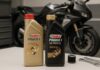
“Regular maintenance and quality engine oil are crucial for preventing premature engine wear,” advises our technical specialist at AutopartsPro.
Diesel engines, particularly the 1.7-litre CRDi unit, have shown excellent reliability when properly maintained. However, the fuel filter requires regular replacement to prevent injector damage.
Transmission and gearbox concerns
Automatic transmission problems have plagued several Kia models, particularly those equipped with dual-clutch systems. The seven-speed DCT found in models like the Ceed GT and ProCeed has experienced premature wear and jerky operation.
Manual gearboxes generally prove more reliable, though some early models suffered from weak clutch components. The six-speed manual transmission in the Stinger and other performance models demonstrates excellent build quality and longevity.
CVT transmissions in hybrid models like the Niro have shown good reliability figures. However, these systems require specific maintenance procedures and fluids to maintain optimal performance. Regular servicing with the correct transmission fluid is essential.
Electrical system reliability
Modern Kias feature sophisticated electrical systems that generally perform well. However, some models experience issues with infotainment systems freezing or failing completely. The UVO connected car system occasionally requires software updates to resolve connectivity problems.
Battery drain issues affect some models when parked for extended periods. This typically relates to faulty modules that fail to enter sleep mode properly. The battery may require replacement more frequently than expected if these issues aren’t addressed.
“Electrical gremlins in modern cars often stem from poor connections rather than component failures,” notes our diagnostic specialist.
Sensor failures, particularly those related to emissions control, can trigger warning lights and affect performance. Regular diagnostic checks help identify potential issues before they cause significant problems.
Warning signs your car has a problem
Recognising early warning signs helps prevent major repairs and maintains your Kia’s reliability. These symptoms indicate potential issues requiring immediate attention:
- Unusual engine noises, particularly knocking or rattling sounds
- Warning lights on the dashboard, especially engine management or transmission alerts
- Excessive oil consumption or visible smoke from the exhaust
- Irregular engine idle or stalling when stationary
- Transmission slipping or rough gear changes
Electrical issues often manifest as intermittent problems that worsen over time. Pay attention to flickering lights, erratic instrument readings, or systems that work sporadically. These symptoms suggest developing faults that require professional diagnosis.
Suspension problems become apparent through unusual tyre wear patterns, poor handling, or excessive noise over bumps. Regular visual inspections can identify worn shock absorbers or damaged suspension components before they fail completely.
How to fix the problems
| Problem Type | DIY Solution | Professional Required | Estimated Cost |
|---|---|---|---|
| Engine Oil Changes | Yes – Basic tools needed | No | £30-50 |
| Brake Pad Replacement | Experienced DIYers only | Recommended | £80-150 per axle |
| Transmission Service | No | Yes – Specialist required | £200-400 |
| Electrical Diagnosis | Basic checks only | Yes – Diagnostic equipment needed | £60-120 per hour |
| Engine Timing Belt | No | Yes – Critical safety component | £300-600 |
Many reliability issues can be prevented through proper maintenance. Regular oil filter changes and using the correct grade of engine oil significantly extend engine life. Follow the manufacturer’s service schedule religiously, especially during the warranty period.
For electrical problems, check simple items first. Ensure all connections are clean and tight, particularly earth connections. Battery terminals should be cleaned regularly to prevent corrosion that can cause starting problems.
When to see a mechanic
Certain symptoms require immediate professional attention to prevent catastrophic damage. Engine knocking sounds, especially under acceleration, suggest serious internal problems that could result in complete failure. Don’t attempt to drive with these symptoms.
Transmission problems warrant immediate attention when gear changes become harsh or impossible. Continuing to drive with transmission faults can cause expensive internal damage. Strange noises from the transmission during operation indicate developing problems.
Safety-critical systems like brakes and steering require professional diagnosis when problems occur. Spongy brake pedals, grinding noises, or steering vibrations need immediate investigation. These issues affect your ability to control the vehicle safely.
Warning lights on the dashboard shouldn’t be ignored, even if the car seems to drive normally. Modern diagnostic systems detect problems before they become apparent to drivers. Early intervention often prevents expensive repairs.
Frequently asked questions
Are new Kia cars more reliable than older models?
Yes, significantly. Recent models benefit from improved manufacturing processes, better materials, and extensive testing programmes that older models lacked.
How long do Kia engines typically last?
Modern Kia engines regularly exceed 150,000 miles with proper maintenance. Some diesel units achieve over 200,000 miles when serviced correctly.
Is Kia’s 7-year warranty genuine or marketing?
The warranty is genuine and comprehensive, covering most components. However, it requires adherence to service schedules and has some exclusions for wear items.
Which Kia models are most reliable currently?
The Picanto, Rio, and Ceed demonstrate excellent reliability records. The Sorento and Sportage also perform well in long-term reliability surveys.
Do Kia cars hold their value well?
Residual values have improved dramatically but still lag behind premium brands. However, the initial purchase price often compensates for this difference.
Final recommendation
Kia’s reliability has improved dramatically since 2010, with recent models matching established competitors. The company’s investment in quality control and extended warranties demonstrates confidence in their products. However, avoid older models from before 2012 unless they have comprehensive service history.
For buyers seeking reliable, value-focused motoring, current Kia models represent excellent choices. The combination of competitive pricing, generous warranties, and proven reliability makes them particularly attractive for first-time buyers and families. Regular maintenance remains crucial for achieving optimal reliability, but modern Kias reward proper care with trouble-free service. Our automotive specialists recommend Kia for buyers prioritising value without compromising on essential reliability and safety features.

 Loading...