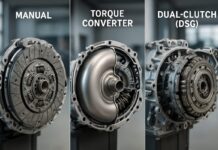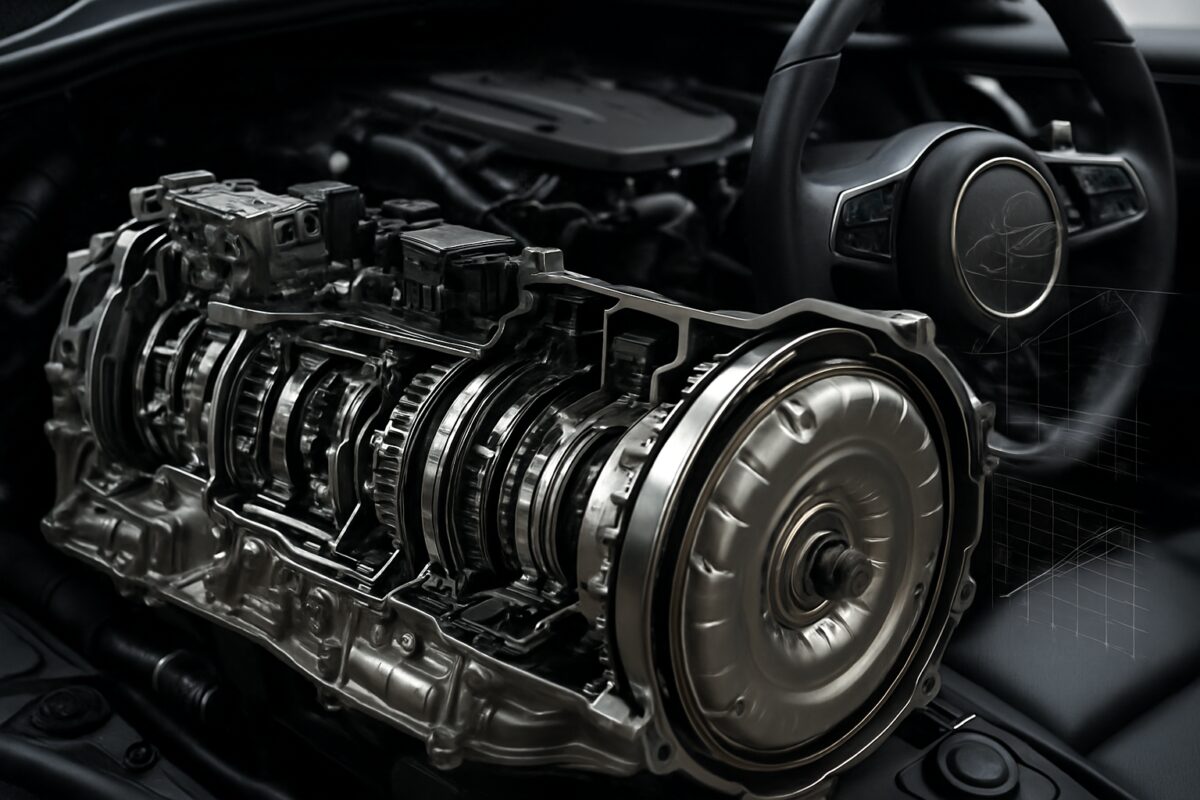
The Tiptronic gearbox is a revolutionary automatic transmission system that combines the comfort of conventional automatic operation with the control of manual gear selection. This innovative technology, first introduced by Porsche in 1990, allows drivers to manually override the automatic transmission using steering wheel-mounted paddle shifters or a special gate on the gear selector, providing enhanced driving dynamics without the need for a traditional clutch pedal.
What is a Tiptronic gearbox and how does it work
A Tiptronic transmission represents a sophisticated blend of automatic and manual transmission technologies. Unlike traditional automatics that rely solely on hydraulic systems and torque converters, Tiptronic systems incorporate advanced electronic controls that monitor driving conditions and driver inputs.
The system operates through a complex network of sensors that continuously assess vehicle speed, engine load, accelerator pedal position, and other critical parameters. When in automatic mode, the transmission functions like a conventional automatic, shifting gears based on predetermined shift maps stored in the electronic control unit.
However, when drivers activate manual mode, the system allows direct gear selection through paddle shifters or the gear selector. The control units ensure that manual inputs don’t damage the engine or transmission by implementing safety protocols that prevent harmful downshifts or overrevving.
Key components of Tiptronic systems
Modern Tiptronic transmissions rely on several essential components working in harmony:
- Electronic control module (ECM) that processes driver inputs and vehicle data
- Hydraulic control body with electronically operated solenoids
- Torque converter with lock-up clutch for improved efficiency
- Planetary gear sets for smooth gear transitions
- Valve body assembly containing pressure regulation valves
The transmission’s brain constantly communicates with other vehicle systems, including the engine management system, ABS, and stability control. This integration allows for seamless operation and optimal performance under various driving conditions.
Distinctive features that set Tiptronic apart
According to our specialists at AutoPartsPro, Tiptronic technology offers several unique characteristics that distinguish it from conventional automatic transmissions. The most notable feature is the dual operating mode that provides flexibility for different driving scenarios.
The manual mode doesn’t require clutch operation, making it accessible to drivers who want more control without the complexity of traditional manual transmissions. This feature proves particularly beneficial during overtaking manoeuvres, engine braking on descents, or when driving in challenging weather conditions.
Advanced shift algorithms
Tiptronic systems employ sophisticated shift algorithms that adapt to individual driving styles. The transmission learns from driver behaviour patterns and adjusts shift points accordingly. This adaptive capability ensures optimal performance whether you’re commuting in city traffic or enjoying spirited driving on country roads.
The system also incorporates kick-down functionality that automatically downshifts when maximum acceleration is needed, regardless of the selected mode. This safety feature ensures drivers always have access to full engine power when required.
Technical specifications and performance characteristics
Modern Tiptronic transmissions typically feature between 6 and 8 forward gears, though some high-end applications offer up to 10 speeds. The increased number of gear ratios allows for better fuel economy and improved acceleration compared to older 4 or 5-speed automatics.
| Transmission Type | Gear Ratios | Torque Capacity | Efficiency |
|---|---|---|---|
| 6-Speed Tiptronic | 4.71-0.83:1 | Up to 500 Nm | 92-94% |
| 8-Speed Tiptronic | 5.25-0.67:1 | Up to 700 Nm | 94-96% |
The transmission fluid requirements are critical for proper operation. Most Tiptronic systems require specific automatic transmission fluid formulations that meet manufacturer specifications. Regular fluid changes, typically every 60,000 to 100,000 miles, ensure optimal performance and longevity.
Electronic integration capabilities
Modern Tiptronic transmissions integrate seamlessly with various vehicle systems. The transmission control module communicates with the engine management system to coordinate gear changes with ignition timing and fuel delivery for smooth shifts.
Integration with stability control systems allows the transmission to contribute to vehicle dynamics by selecting appropriate gears during cornering or emergency manoeuvres. This holistic approach to vehicle control represents a significant advancement over traditional automatic transmissions.
Advantages and benefits of Tiptronic technology
The primary advantage of Tiptronic transmission lies in its versatility. Drivers can enjoy the convenience of automatic operation during daily commuting whilst accessing manual control for more engaging driving experiences. This flexibility makes Tiptronic ideal for various driving conditions and preferences.
Fuel economy improvements represent another significant benefit. The ability to select gears manually allows drivers to optimise engine efficiency, particularly during highway cruising or when towing. The transmission’s adaptive learning capability further enhances efficiency by selecting optimal shift patterns based on driving habits.
Enhanced driving dynamics
Our mechanics at AutoPartsPro frequently highlight how Tiptronic transmissions improve vehicle dynamics. The manual mode allows drivers to maintain specific gears through corners, providing better engine braking and preventing unwanted upshifts during spirited driving.
The system’s quick response to manual inputs, typically 100-200 milliseconds, ensures that gear changes occur precisely when commanded. This responsiveness bridges the gap between automatic convenience and manual transmission engagement.
- Improved acceleration control through manual gear selection
- Better engine braking capability on descents
- Enhanced towing performance with appropriate gear holding
- Reduced transmission hunting in hilly terrain
- Superior control in slippery conditions
Common applications and vehicle compatibility
Tiptronic technology has found widespread adoption across various vehicle segments. Originally developed for Porsche sports cars, the technology has expanded to luxury sedans, SUVs, and even some mainstream vehicles.
Premium manufacturers like Audi, BMW, Mercedes-Benz, and Volkswagen Group brands extensively use Tiptronic or similar technologies in their lineups. The system’s scalability allows adaptation to different engine sizes and vehicle weights, from compact cars to heavy SUVs.
| Vehicle Category | Typical Applications | Benefits | Considerations |
|---|---|---|---|
| Sports Cars | Performance-oriented driving | Enhanced control and engagement | Higher maintenance costs |
| Luxury Sedans | Comfort with performance options | Smooth operation with manual override | Complex electronic systems |
| SUVs | Towing and off-road capability | Better control in challenging conditions | Increased fuel consumption in manual mode |
Manufacturer implementations
Different manufacturers have developed their own versions of Tiptronic technology. Audi’s Tiptronic, BMW’s Steptronic, and Mercedes-Benz’s 7G-Tronic represent various approaches to the same fundamental concept of combining automatic and manual operation.
Each implementation offers unique characteristics tailored to the brand’s driving philosophy. Sports-oriented brands typically prioritise quick shift response and aggressive shift patterns, whilst luxury manufacturers focus on smooth operation and comfort.
Maintenance requirements and service considerations
Proper maintenance is crucial for Tiptronic transmission longevity. Regular fluid changes using manufacturer-specified lubricants prevent premature wear of internal components. The electronic control systems require periodic updates to ensure optimal performance and compatibility with other vehicle systems.
Our AutoPartsPro specialists recommend adhering to manufacturer maintenance schedules, which typically include transmission fluid changes every 60,000-80,000 miles for normal driving conditions. Severe driving conditions, such as frequent towing or stop-and-go traffic, may require more frequent servicing.
> **Professional Tip**: Always use the exact transmission fluid specification recommended by your vehicle manufacturer. Using incorrect fluid can damage seals and clutch materials, leading to expensive repairs that aren’t covered under warranty.
Electronic component maintenance involves regular diagnostic scans to identify potential issues before they become major problems. The sensors and control modules require clean electrical connections and proper grounding for reliable operation.
Common service intervals
Typical maintenance schedules for Tiptronic transmissions include several key service points:
- Transmission fluid and filter change: 60,000-100,000 miles
- Electronic system diagnostic scan: Every major service
- Valve body cleaning and calibration: 100,000-150,000 miles
- Torque converter service: As needed based on performance
- Software updates: When available from manufacturer
Regular maintenance ensures reliable operation and prevents costly repairs. The complex electronic systems in Tiptronic transmissions benefit from professional attention by qualified technicians familiar with these advanced systems.
Troubleshooting common Tiptronic issues
Despite their sophistication, Tiptronic transmissions can experience various issues. Common problems include delayed engagement, harsh shifting, or failure to respond to manual inputs. Many issues stem from electronic faults rather than mechanical problems.
Transmission fluid contamination represents a frequent cause of Tiptronic problems. Dirty or degraded fluid affects hydraulic operation and can damage electronic components. Regular fluid analysis helps identify contamination before it causes significant damage.
Diagnostic procedures
Modern diagnostic equipment can identify most Tiptronic transmission issues through error code analysis. The transmission control module stores fault codes that indicate specific system malfunctions, making diagnosis more precise than with traditional automatics.
Common diagnostic steps include checking fluid levels and condition, scanning for error codes, testing solenoid operation, and verifying sensor inputs. Professional diagnosis often reveals multiple contributing factors that require systematic resolution.
- Initial visual inspection of fluid condition and external components
- Electronic scan for stored fault codes and pending issues
- Road test evaluation of shift quality and timing
- Hydraulic pressure testing of valve body operation
- Electrical testing of sensors and control circuits
Future developments in Tiptronic technology
The evolution of Tiptronic technology continues with integration of artificial intelligence and machine learning algorithms. Future systems will provide even more sophisticated adaptation to driving styles and conditions, potentially predicting optimal shift points based on route information and traffic conditions.
Hybridisation represents another frontier for Tiptronic development. Integration with electric motor systems requires coordination between internal combustion engines, electric motors, and transmission control for seamless power delivery and maximum efficiency.
The advancement of electronic control systems promises improved reliability and functionality. Next-generation Tiptronic transmissions will likely feature enhanced diagnostic capabilities, over-the-air updates, and integration with vehicle-to-vehicle communication systems for optimised performance in connected vehicle environments.
Understanding Tiptronic technology helps drivers appreciate the sophisticated engineering behind modern automatic transmissions. Whether you’re considering a vehicle with Tiptronic transmission or maintaining an existing one, recognising its capabilities and requirements ensures optimal performance and longevity. The technology represents a significant step forward in automotive transmission development, providing the best aspects of both automatic and manual systems in a single, sophisticated package.
Frequently Asked Questions (FAQ)
Can you damage a Tiptronic gearbox by using manual mode incorrectly?
No, Tiptronic systems include built-in safety protocols that prevent harmful downshifts or overrevving, automatically overriding dangerous manual inputs to protect the engine and transmission.
How often should Tiptronic transmission fluid be changed?
Most manufacturers recommend changing Tiptronic transmission fluid every 60,000-100,000 miles, though severe driving conditions may require more frequent changes every 40,000-60,000 miles.
Is Tiptronic more fuel efficient than regular automatic transmission?
Yes, Tiptronic transmissions typically offer better fuel economy due to more gear ratios, adaptive shift patterns, and the ability to manually select efficient gears.
What’s the difference between Tiptronic and paddle shifters?
Tiptronic refers to the entire transmission system, whilst paddle shifters are simply one method of manually selecting gears. Tiptronic can use paddles, gear selector gates, or both.
Can Tiptronic transmissions be repaired or do they need complete replacement?
Many Tiptronic issues can be repaired through component replacement, software updates, or valve body servicing. Complete replacement is typically only necessary for catastrophic mechanical failures.

 Loading...