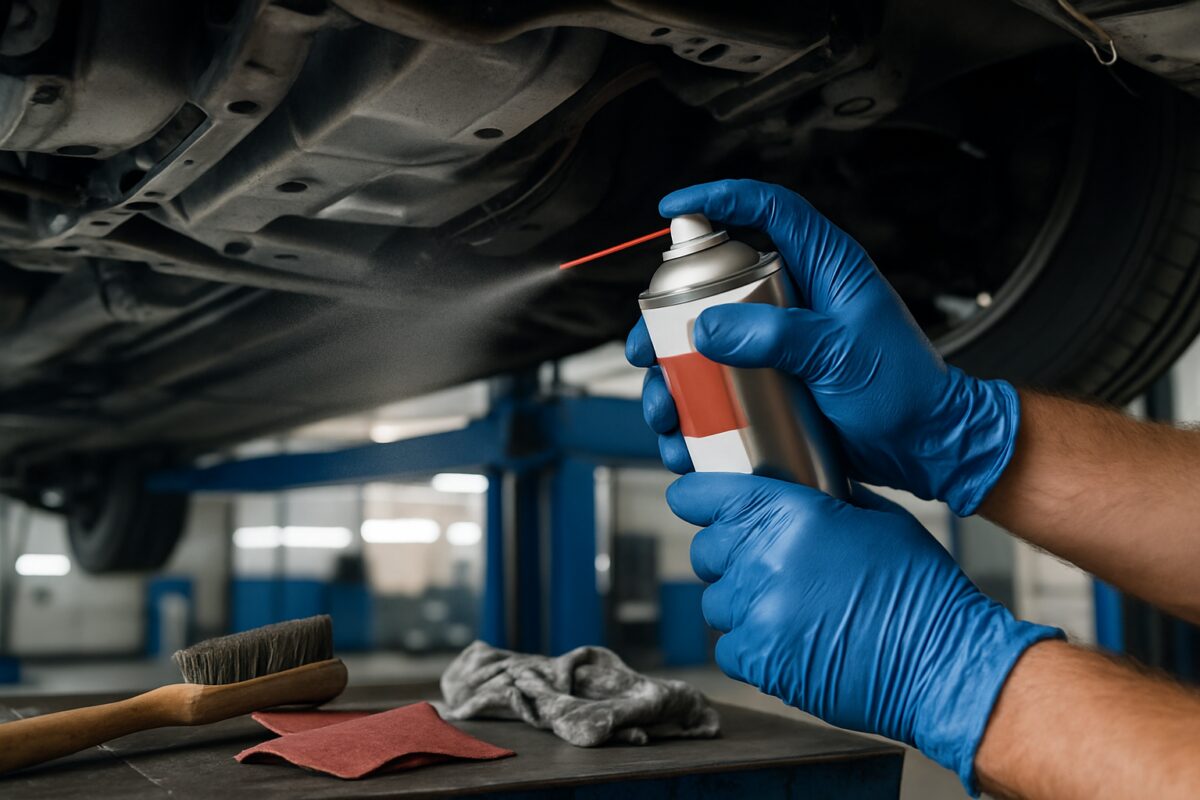
Preventing rust on your vehicle requires regular cleaning, protective treatments, and addressing minor damage promptly. The most effective approach combines washing away corrosive substances like road salt, applying protective coatings such as wax or rust inhibitors, and maintaining proper drainage to avoid moisture accumulation in critical areas.
Tools and parts required
- Rust prevention spray or coating
- Car wax or sealant
- Touch-up paint (vehicle-specific colour)
- Primer for metal surfaces
- Replacement seals and gaskets
- Pressure washer or garden hose
- Soft brushes and microfibre cloths
- Wire brush for rust removal
- Sandpaper (various grades)
- Application brushes or spray equipment
Safety precautions
Always work in a well-ventilated area when using chemical rust preventatives. Wear protective gloves and eyewear to avoid skin and eye contact with cleaning agents or rust removal products. Ensure your vehicle is on level ground and the engine is cool before starting any rust prevention work.
Step-by-step instructions
Step 1: Thorough cleaning and inspection
Begin by washing your vehicle completely, paying special attention to the underside where road salt and debris accumulate. Use a pressure washer to remove stubborn dirt from wheel wells, door frames, and around the sump gasket area.
Inspect all metal surfaces for early signs of rust, particularly around joints, seams, and areas where moisture might collect. Check door sills, boot edges, and the area around headlamps for any rust spots.
Step 2: Remove existing rust spots
For small rust spots, use fine sandpaper or a wire brush to remove all traces of corrosion. Work gently to avoid creating deeper scratches that could harbour moisture. Clean the area thoroughly with a damp cloth to remove all rust particles and debris.
On larger rust areas, you may need to sand down to bare metal. Ensure you’ve removed all rust, as even small amounts left behind will continue to spread under any protective coating you apply.
Step 3: Apply primer and touch-up paint
Once rust is removed and the area is clean and dry, apply a rust-inhibiting primer to all treated metal surfaces. Allow the primer to dry completely according to manufacturer specifications before proceeding.
Apply touch-up paint in thin, even coats, allowing each coat to dry before applying the next. This creates a protective barrier against moisture and oxygen, the two main causes of rust formation.
Step 4: Apply protective coatings
Once paint has cured, apply a high-quality car wax or protective sealant to all painted surfaces. Pay particular attention to vulnerable areas like door edges, boot lips, and areas around the radiator support where debris accumulates.
For the underside of your vehicle, consider applying a specialist rust prevention coating designed for chassis protection. These products create a long-lasting barrier against road salt and moisture.
Step 5: Maintain drainage and ventilation
Clear all drain holes in doors, boot, and sunroof areas to ensure proper water drainage. Blocked drains allow water to pool, creating perfect conditions for rust development.
Check and replace any damaged gaskets or seals that might allow water ingress. Proper sealing prevents moisture from reaching metal components where rust can start.
Common mistakes to avoid
Never apply protective coatings over existing rust, as this only delays the inevitable and can make future repairs more difficult. The rust will continue to spread underneath, eventually breaking through your protection.
Don’t ignore small scratches or chips in paintwork. These provide direct access for moisture to reach the metal beneath. Address minor damage promptly before it develops into larger rust problems.
Avoid washing your car and leaving it wet in cold conditions. Water trapped in crevices can freeze and expand, creating cracks that allow future moisture penetration. Always dry your vehicle thoroughly after washing.
Professional tip: Our mechanics at AutoPartsPro recommend applying rust prevention treatments twice yearly – once before winter to protect against road salt, and again in spring to address any damage from winter conditions.
When should you apply rust prevention?
The best time for rust prevention is during autumn, before winter road salt applications begin. This gives protective coatings time to cure properly before facing harsh conditions.
New vehicles benefit from additional protection within the first year, as factory coatings may have microscopic gaps or thin spots. Older vehicles should receive rust prevention treatment every six months, with more frequent attention to high-risk areas.
If you notice any of these warning signs, immediate rust prevention action is required: bubbling paintwork, brown stains on bodywork, or unusual squeaking from moving parts that might indicate rust affecting mechanisms.
Related maintenance you can do at the same time
While working on rust prevention, check your brake rotors for surface corrosion, particularly if the vehicle has been standing unused. Light surface rust on braking components is normal but should be monitored.
Inspect suspension components for rust damage, paying attention to shock absorber mounting points and spring seats. These areas are particularly vulnerable to rust damage that can affect vehicle safety.
Consider replacing your cabin filter during rust prevention maintenance, as a clean filter improves interior air circulation and reduces humidity that can contribute to rust formation from inside the vehicle.
Expert insight: AutoPartsPro’s technicians often see rust problems starting from inside the vehicle due to poor ventilation. Maintaining your climate control system components helps prevent this internal moisture buildup.
Frequently asked questions
How often should I apply rust prevention treatment?
Apply comprehensive rust prevention twice yearly, with monthly inspections for early rust signs. High-risk vehicles like those in coastal areas need more frequent treatment.
Can I prevent rust on already damaged paintwork?
Yes, but existing rust must be completely removed first. Simply covering rust with paint or protective coatings allows continued corrosion underneath the treatment.
Is it worth treating rust on older vehicles?
Absolutely. Proper rust prevention extends vehicle life significantly and maintains safety standards. Even vehicles over ten years old benefit from regular rust prevention maintenance.
What’s the difference between rust prevention and rust treatment?
Prevention stops rust before it starts through protective barriers. Treatment involves removing existing rust and then applying preventive measures to clean metal surfaces.
Do modern cars still need rust prevention?
Yes. While modern galvanised steel is more resistant, damage from stone chips, scratches, or poor drainage still creates rust opportunities requiring preventive action.
Regular rust prevention maintenance protects your investment whilst ensuring your vehicle remains safe and roadworthy. The systematic approach outlined here, combined with quality protective products and proper application techniques, provides the most effective defence against corrosion damage that can compromise both appearance and structural integrity.

 Loading...