The Citroën Jumpy, known for its practicality and versatility as a commercial van, has served countless businesses across the UK. However, like any vehicle, it experiences specific recurring issues that owners should understand. Our AutopartsPro specialists have identified the most common problems affecting this popular van, from engine faults to electrical gremlins that can disrupt your daily operations.
DPF system failures
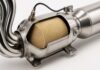
The diesel particulate filter system represents one of the most significant challenges for Jumpy owners. This emissions control component frequently clogs, particularly in vehicles used for short urban journeys.
The DPF warning light illuminates when the filter requires regeneration. However, many owners ignore this signal, leading to complete system failure. Replacement costs range from £800 to £2,000, making prevention crucial.
Short trips prevent the exhaust system reaching optimal temperatures for automatic regeneration. The filter gradually accumulates soot particles, eventually blocking completely. Our mechanics recommend regular motorway driving to maintain proper DPF function.
Professional tip: Schedule weekly 20-minute motorway drives at speeds above 50mph to prevent DPF clogging and expensive repairs.
AdBlue injection systems also cause problems. The fluid crystallises in cold weather, blocking injectors and triggering limp mode. Regular system maintenance prevents these costly interruptions to your business operations.
Turbocharger problems
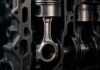
Turbocharger failures plague the 2.0-litre HDi engines commonly found in Jumpy vans. Oil contamination and carbon build-up cause bearing damage, resulting in complete turbo failure.
Early symptoms include whistling noises, reduced power output, and excessive exhaust smoke. Ignoring these signs leads to catastrophic engine damage when metal fragments circulate through the lubrication system.
Poor maintenance schedules accelerate turbocharger wear. Dirty oil filters allow contaminants to reach sensitive bearing surfaces. Additionally, aggressive driving before proper warm-up cycles damages internal components.
Replacement turbos cost between £1,200 and £2,500 including labour. However, preventive maintenance through regular oil changes and quality filter replacements significantly extends component lifespan.
Professional insight: Always allow two minutes warm-up time before hard acceleration to protect turbocharger bearings from premature wear.
Clutch system malfunctions
Manual transmission Jumpy vans experience premature clutch wear, particularly high-mileage commercial vehicles. Heavy payload operations and frequent stop-start driving accelerate component deterioration.
The dual-mass flywheel commonly fails alongside clutch disc replacement. This integrated component dampens engine vibrations but proves expensive to replace when worn. Combined replacement costs exceed £1,500 in most cases.
Hydraulic clutch systems suffer from fluid contamination and seal deterioration. The slave cylinder frequently leaks, causing soft pedal feel and engagement problems. These components require replacement every 60,000 miles under normal operating conditions.
Driving technique significantly affects clutch longevity. Aggressive starts, excessive slipping, and poor gear selection techniques reduce component lifespan. Professional drivers report 100,000+ mile clutch life through proper technique.
Electrical system faults
Complex electrical systems in modern Jumpy vans create numerous fault opportunities. The body control module frequently develops programming errors, affecting central locking, lighting circuits, and dashboard functions.
Corroded earth connections cause intermittent electrical problems. Salt exposure from winter road treatments accelerates corrosion in connection points throughout the vehicle chassis.
The alternator struggles under heavy electrical loads, particularly with additional equipment installations. Auxiliary lighting, refrigeration units, and power tools strain the charging system beyond design limits.
Battery drain problems occur when electronic modules fail to enter sleep mode correctly. Parasitic current draw flattens batteries overnight, stranding vehicles and disrupting business schedules.
Warning signs your car has a problem
Recognising early symptoms prevents minor issues developing into expensive repairs. Watch for these critical warning signals:
- Dashboard warning lights appearing intermittently or permanently
- Unusual noises from engine bay, transmission, or suspension components
- Changes in performance, fuel consumption, or handling characteristics
- Fluid leaks visible under parked vehicle
- Electrical malfunctions affecting lights, instruments, or convenience features
How to fix the problems
| Problem | Solution | Cost Range |
|---|---|---|
| DPF blockage | Professional cleaning or replacement | £200-£2,000 |
| Turbocharger failure | Rebuilt or new unit installation | £1,200-£2,500 |
| Clutch problems | Complete clutch kit replacement | £800-£1,500 |
| Electrical faults | Diagnostic testing and component replacement | £150-£800 |
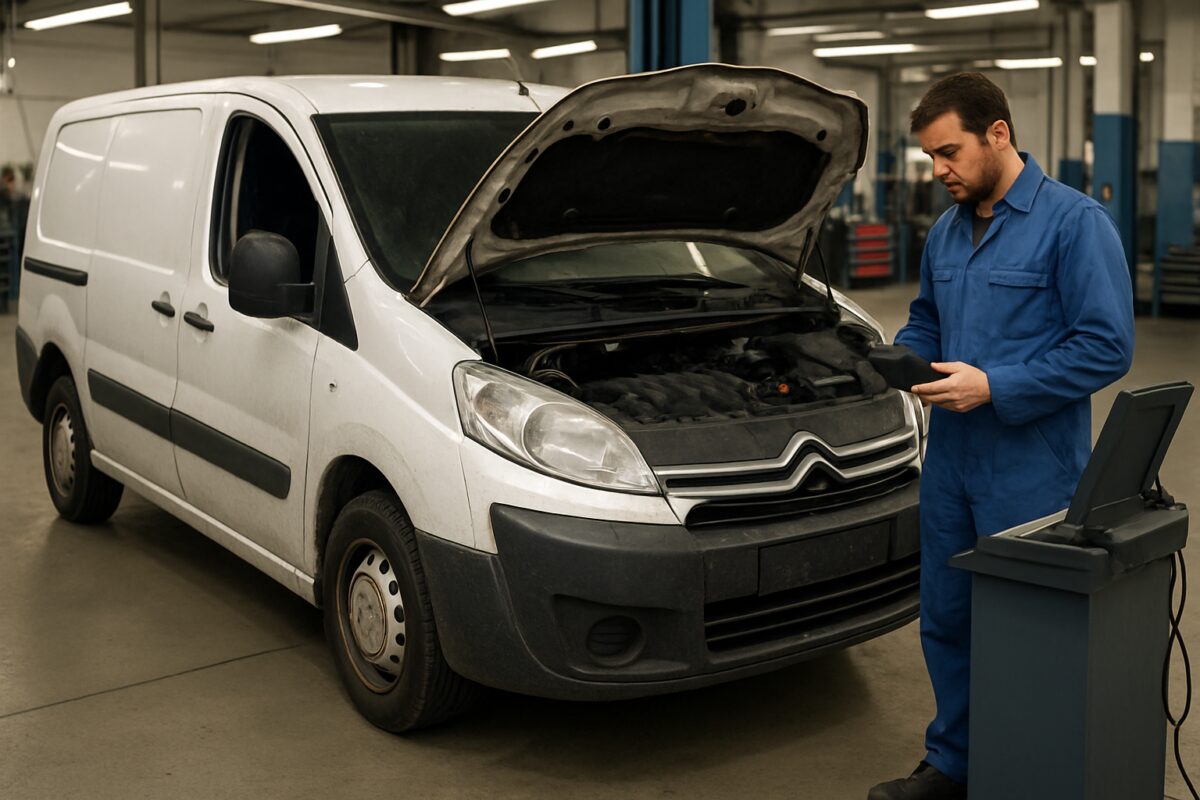
Professional diagnostics identify root causes rather than treating symptoms. Modern scan tools read fault codes from multiple control modules, pinpointing exact problem areas.
| Maintenance Task | Frequency | Benefit |
|---|---|---|
| Engine oil change | Every 12,000 miles | Prevents turbo and engine damage |
| DPF regeneration cycle | Weekly motorway driving | Maintains emissions system function |
| Electrical connection inspection | Annual service | Prevents corrosion-related faults |
When to see a mechanic
Immediate professional attention prevents catastrophic failures and expensive repairs. Contact qualified technicians when warning lights activate, particularly engine management or DPF indicators.
Strange noises require prompt investigation. Grinding, whining, or knocking sounds indicate component wear that worsens rapidly without intervention. Early diagnosis saves significant repair costs.
Performance changes signal developing problems. Reduced power, poor fuel economy, or handling abnormalities suggest underlying mechanical issues requiring professional assessment.
Regular servicing according to manufacturer schedules maintains warranty coverage and prevents premature component failures. Experienced technicians identify potential problems during routine maintenance procedures.
For quality replacement parts and expert guidance, our team provides comprehensive support for all your Jumpy maintenance needs. Visit our troubleshooting guides for additional diagnostic assistance.
Frequently asked questions (FAQ)
How often should I regenerate the DPF in my Citroën Jumpy?
Perform DPF regeneration weekly through 20-minute motorway drives above 50mph to prevent system clogging and expensive repairs.
What causes turbocharger failure in Jumpy vans?
Poor maintenance, contaminated oil, aggressive driving, and carbon build-up damage turbo bearings, leading to complete component failure.
Why does my Jumpy clutch wear out quickly?
Heavy payloads, frequent stop-start driving, and aggressive technique accelerate clutch wear in commercial applications beyond normal expectations.
How do I prevent electrical problems in my van?
Regular connection cleaning, proper earth point maintenance, and avoiding electrical system overloading prevent most common electrical faults.
When should I replace my Jumpy’s timing belt?
Follow manufacturer intervals of 100,000 miles or 5 years, whichever occurs first, to prevent catastrophic engine damage.
Final recommendation
The Citroën Jumpy remains a capable commercial vehicle when properly maintained. Understanding common problems enables proactive maintenance strategies that prevent expensive repairs. Our AutopartsPro specialists recommend focusing on DPF health, turbocharger protection, and electrical system care.
Regular professional servicing using quality components ensures reliable operation and minimises unexpected downtime. Invest in preventive maintenance to protect your business investment and maintain operational efficiency. For comprehensive parts support and expert advice, trust AutopartsPro’s extensive knowledge of commercial vehicle requirements.
Remember that early intervention costs significantly less than emergency repairs. Establish relationships with qualified technicians who understand commercial vehicle demands and can provide reliable service when problems arise. Your business depends on vehicle reliability – make maintenance a priority.

 Loading...