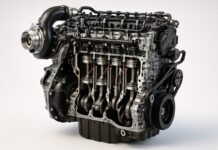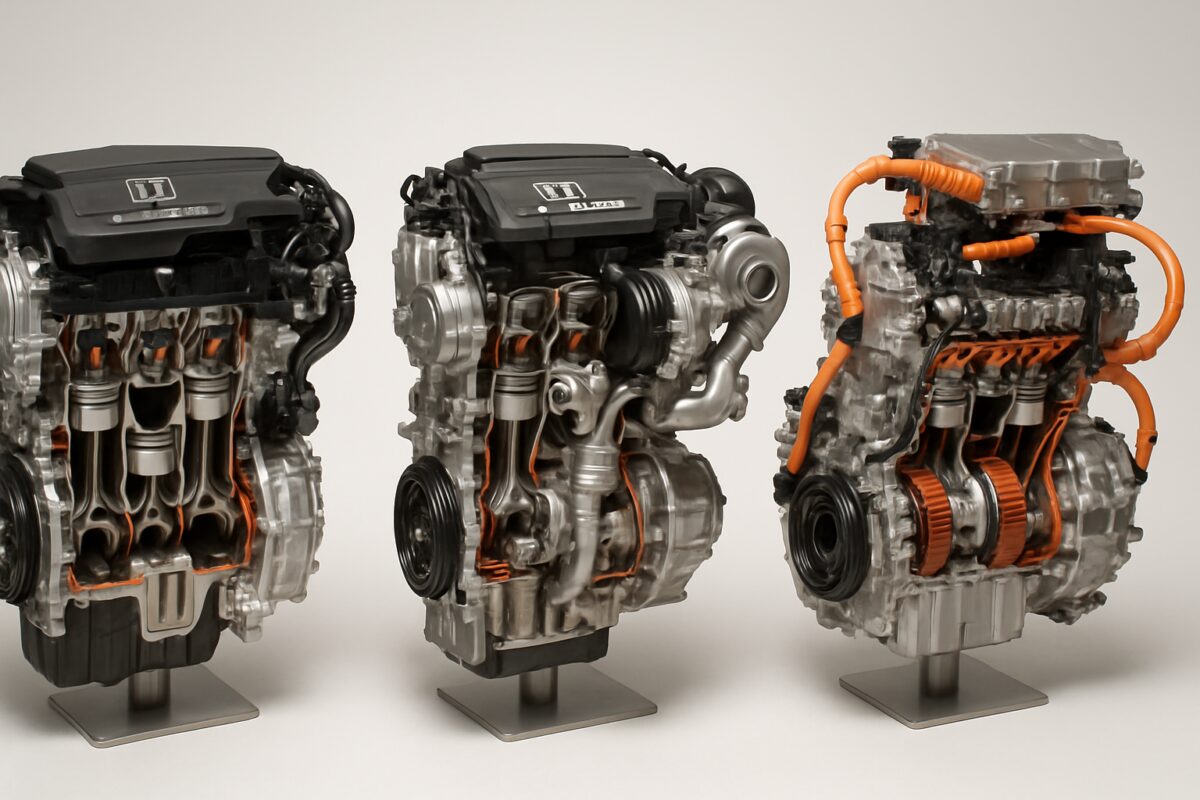
The Honda CR-V has established itself as one of Britain’s most trusted compact SUVs, combining practicality with reliability. At the heart of this success lies Honda’s commitment to engineering diverse powertrains that cater to different driving needs. From efficient naturally aspirated units to advanced hybrid systems, the CR-V’s engine lineup offers something for everyone. Key specifications include outputs ranging from 156 to 204 bhp, with torque figures between 189 and 315 Nm, spanning petrol, hybrid, and turbocharged configurations.
Comparison table of all engines
Understanding the CR-V’s engine options becomes clearer when comparing their key characteristics side by side. Each powerplant offers distinct advantages depending on your priorities.
| Engine | Power Output | Torque | Fuel Consumption | Reliability |
|---|---|---|---|---|
| 2.0L i-VTEC | 156 bhp | 192 Nm | 38.7 mpg | Excellent |
| 1.5L VTEC Turbo | 190 bhp | 243 Nm | 42.2 mpg | Very Good |
| 2.0L Hybrid | 204 bhp | 315 Nm | 53.3 mpg | Excellent |
| 2.2L i-DTEC Diesel | 150 bhp | 350 Nm | 50.4 mpg |
2.0L i-VTEC petrol engine overview
Honda’s naturally aspirated 2.0-litre i-VTEC represents the traditional approach to CR-V power. This inline-four cylinder unit features Honda’s Variable Valve Timing and Lift Electronic Control system, optimising performance across the rev range. The engine utilises multi-point fuel injection and runs on standard unleaded petrol.
Regular maintenance of components like the air filter and oil filter ensures optimal performance from this reliable powerplant.
Pros
- Proven reliability with minimal complexity
- Smooth power delivery throughout rev range
- Lower maintenance costs compared to turbocharged alternatives
- Excellent long-term durability
- Readily available parts and service expertise
Cons
- Higher fuel consumption than modern alternatives
- Less torque at low engine speeds
- Modest power output for contemporary standards
- Can feel sluggish when fully loaded
1.5L VTEC turbo engine overview
The turbocharged 1.5-litre VTEC Turbo represents Honda’s modern approach to efficient performance. This inline-four features direct injection technology combined with turbocharging, delivering impressive power from a compact displacement. The engine runs on standard unleaded petrol with a sophisticated fuel management system.
This turbocharged unit requires quality components like a reliable turbocharger system and proper engine oil specifications to maintain performance.
Pros
- Excellent fuel economy for the power output
- Strong torque delivery from low engine speeds
- Responsive acceleration in real-world conditions
- Modern emissions compliance
- Compact size reduces vehicle weight
Cons
- Potential turbo lag in some driving situations
- Higher complexity than naturally aspirated engines
- Premium fuel recommended for optimal performance
- Turbocharger components may require eventual replacement
2.0L hybrid engine overview
Honda’s e:HEV hybrid system combines a 2.0-litre Atkinson cycle petrol engine with two electric motors. This sophisticated powertrain uses the petrol engine primarily as a generator, with electric motors providing direct wheel drive in most situations. The system features seamless transitions between electric and petrol power.
The hybrid system’s complexity means components like the battery system and cooling fan require specialised maintenance procedures.
Pros
- Outstanding fuel economy in all driving conditions
- Instant torque delivery from electric motors
- Whisper-quiet operation at low speeds
- Zero local emissions capability
- Sophisticated energy management system
Cons
- Higher initial purchase price
- Complex system requires specialist knowledge
- Battery replacement costs after extended use
- Limited engine braking compared to conventional engines
2.2L i-DTEC diesel engine overview
Available in earlier CR-V generations, the 2.2-litre i-DTEC diesel features Honda’s innovative dual-stage turbocharging. This inline-four diesel unit delivers exceptional torque output whilst maintaining competitive fuel economy. The engine utilises common-rail direct injection with sophisticated emissions control systems.
Our mechanics at AutoPartsPro recommend regular fuel filter changes every 20,000 miles for optimal diesel engine performance.
Pros
- Excellent fuel economy for long-distance driving
- Substantial torque output ideal for towing
- Strong performance in motorway conditions
- Diesel fuel availability and pricing advantages
Cons
- Higher maintenance costs than petrol equivalents
- Diesel particulate filter requires regular regeneration
- Less suitable for short urban journeys
- Increasing restrictions on diesel vehicles in city centres
Maintenance cost analysis
Understanding the ongoing costs associated with each CR-V engine helps make informed ownership decisions. These figures reflect typical UK market conditions and recommended service intervals.
| Engine | Recommended Interval | Estimated Cost | Cost per 10,000 miles |
|---|---|---|---|
| 2.0L i-VTEC | 12,500 miles | £280 | £224 |
| 1.5L VTEC Turbo | 12,500 miles | £320 | £256 |
| 2.0L Hybrid | 12,500 miles | £350 | £280 |
| 2.2L i-DTEC | 12,500 miles | £380 | £304 |
Regular replacement of components like spark plugs and cabin filters contributes to these maintenance costs across all engine types.
Engine sound and character
Each CR-V engine delivers a distinct auditory and driving experience. The naturally aspirated 2.0L i-VTEC produces Honda’s characteristic VTEC crossover note, becoming more vocal as revs climb. This traditional Honda sound appeals to enthusiasts who appreciate mechanical symphony.
The turbocharged 1.5L unit offers a more subdued character, with subtle turbo whistle under acceleration. Its refined nature suits buyers prioritising quiet cruising over vocal performance. Modern exhaust manifold design contributes to its polished sound signature.
Honda’s hybrid system delivers near-silence during electric operation, creating an almost eerie driving experience in urban environments. The transition between electric and petrol power occurs seamlessly, maintaining refinement throughout.
According to our service technicians, the hybrid’s quiet operation often surprises customers who expect more engine noise during acceleration.
The diesel i-DTEC produces the characteristic compression ignition rumble, particularly noticeable during cold starts. Once warmed, it settles into a purposeful thrum that many drivers associate with serious capability.
Who each engine is best for
Selecting the ideal CR-V engine depends on individual driving patterns and priorities. This breakdown helps match engines to specific user requirements.
| Engine | Best For | Driving Style | Primary Benefit |
|---|---|---|---|
| 2.0L i-VTEC | Budget-conscious owners | Mixed urban/rural | Low maintenance costs |
| 1.5L VTEC Turbo | Performance enthusiasts | Spirited driving | Power and efficiency balance |
| 2.0L Hybrid | Daily commuters | Stop-start traffic | Maximum fuel economy |
| 2.2L i-DTEC | Long-distance drivers | Motorway cruising | Diesel efficiency |
Maintenance requirements like brake pads and brake rotors remain consistent across all variants, with hybrid models potentially experiencing reduced brake wear due to regenerative braking.
Frequently asked questions
Which Honda CR-V engine offers the best reliability?
The naturally aspirated 2.0L i-VTEC demonstrates exceptional long-term reliability with minimal complexity. Its proven design has accumulated millions of trouble-free miles across various Honda models.
Is the CR-V hybrid system worth the extra cost?
For high-mileage drivers or those prioritising environmental impact, the hybrid’s fuel savings typically offset the premium within three years of ownership.
How often should I service my turbocharged CR-V engine?
Honda recommends 12,500-mile intervals, but turbocharged engines benefit from more frequent oil filter changes, particularly under severe driving conditions.
Can I use regular unleaded in the 1.5L turbo engine?
While the engine runs on regular unleaded, premium fuel optimises performance and helps prevent knock under high-load conditions.
What’s the expected lifespan of CR-V hybrid batteries?
Honda hybrid batteries typically last 8-10 years with proper maintenance. The company offers extended warranties covering hybrid system components for additional peace of mind.

 Loading...