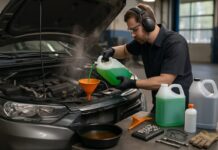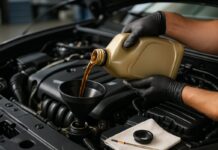
Clutch fluid is hydraulic brake fluid that operates your clutch system through a master and slave cylinder. Located in the engine bay near the brake fluid reservoir, it enables smooth gear changes. Common leak symptoms include a spongy clutch pedal, fluid puddles under the car, and difficulty shifting gears. To refill, locate the reservoir, clean the cap, remove it, and add DOT 3 or DOT 4 brake fluid to the maximum line.
Parts and fluids required
Before starting any clutch fluid maintenance, you’ll need specific parts and fluids to ensure proper system operation. Using the correct specification fluid prevents damage to rubber seals and maintains hydraulic pressure.
Fluids needed:
- Brake fluid (DOT 3 or DOT 4 specification)
- Clean cloth or paper towels
- Distilled water for cleaning
Tools required:
- Funnel (small diameter)
- Turkey baster or syringe
- Safety gloves
- Torch or mobile phone light
Professional tip: Always use fresh brake fluid from a sealed container. Brake fluid absorbs moisture from the air, which reduces its effectiveness and can cause corrosion in the hydraulic system.
Safety precautions
Working with brake fluid requires careful handling due to its corrosive properties and potential safety risks. Our AutoPartsPro mechanics recommend taking these essential safety measures before beginning any work.
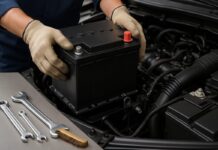
Work in a well-ventilated area away from heat sources or open flames. Disconnect the battery negative terminal to prevent electrical accidents. Wear nitrile gloves and safety glasses to protect skin and eyes from fluid contact.
Keep brake fluid away from painted surfaces as it strips paint quickly. Have clean water nearby to flush any spills immediately. Ensure your work area is level and the handbrake is engaged securely.
Step-by-step instructions
Step 1: Locate the clutch fluid reservoir
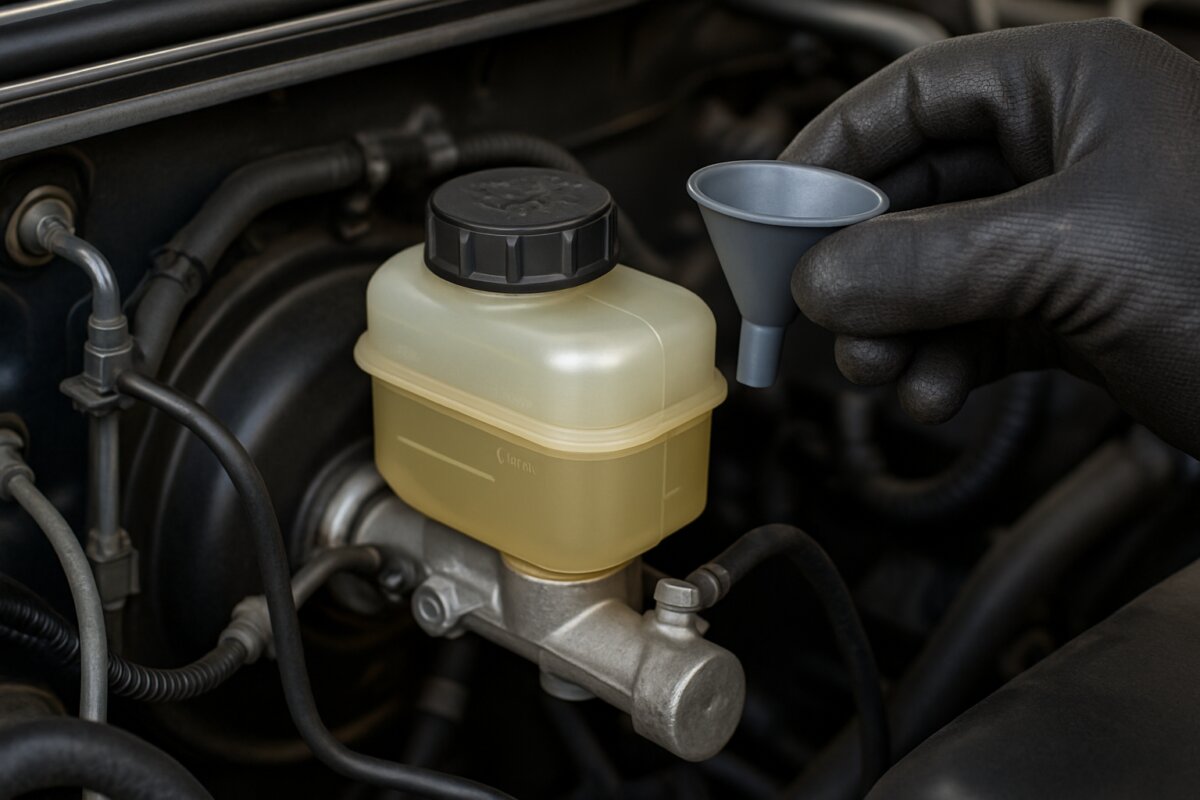
Open the bonnet and locate the clutch fluid reservoir, typically mounted on the firewall near the brake master cylinder. In most vehicles, it’s a small translucent plastic container with “clutch” markings. Some cars share the brake and clutch fluid reservoirs.
The reservoir connects to the clutch master cylinder via a short hose. If you’re struggling to locate it, consult your vehicle handbook or look for hydraulic lines running towards the gearbox area.
Step 2: Check fluid level and condition
Examine the fluid level against the minimum and maximum marks on the reservoir. Clean fluid appears clear or light amber, while contaminated fluid looks dark brown or black with possible debris.
If the fluid level is below minimum, this indicates either normal consumption or a potential leak in the system. Low fluid levels can cause clutch engagement problems and eventual system failure.
Step 3: Clean the reservoir cap area
Use a clean cloth to remove dirt and debris from around the reservoir cap. This prevents contamination from falling into the fluid when you remove the cap. Pay particular attention to the cap threads and surrounding area.
Any contamination in the hydraulic system can damage seals and cause expensive repairs. Take your time with this crucial cleaning step.
Step 4: Remove old fluid (if contaminated)
If the existing fluid appears dark or contaminated, remove it using a turkey baster or syringe before adding fresh fluid. This ensures you’re not diluting good fluid with degraded fluid.
Dispose of old brake fluid responsibly at your local recycling centre. Never pour it down drains or onto the ground as it’s environmentally harmful.
Step 5: Add fresh brake fluid
Using a small funnel, slowly add fresh brake fluid to the reservoir until it reaches the maximum line. Pour slowly to avoid creating air bubbles, which can affect hydraulic pressure.
Don’t overfill the reservoir as fluid expands when hot. Leave a small air gap at the top to allow for thermal expansion during operation.
Step 6: Bleed the system (if necessary)
If you’ve completely drained the system or if air has entered, you’ll need to bleed the clutch hydraulic system. This involves pumping the clutch pedal while opening and closing the bleed nipple on the slave cylinder.
This process requires two people – one to operate the pedal and another to control the bleed valve. Continue until fluid flows without air bubbles.
Common mistakes to avoid
Using the wrong brake fluid specification can damage rubber seals and cause system failure. Always check your vehicle handbook for the correct DOT rating before purchasing fluid.
Never reuse old brake fluid or mix different types of brake fluid. Each type has different chemical properties that can react negatively when combined. Contaminating the system with dirt or debris during refilling can cause premature wear of hydraulic components.
Overfilling the reservoir seems helpful but actually creates problems. Excess fluid has nowhere to expand when heated, potentially causing leaks or damage to system seals.
Ignoring the underlying cause of low fluid levels often leads to repeated problems. If your reservoir empties quickly, investigate for leaks rather than simply refilling.
Expert advice: According to our experienced mechanics, most clutch fluid issues stem from neglected maintenance rather than component failure. Regular checks every six months can prevent costly repairs.
When should you replace clutch fluid?
Replace clutch fluid every two years or 24,000 miles, whichever comes first. Brake fluid is hygroscopic, meaning it absorbs moisture from the atmosphere over time. This moisture reduces the fluid’s boiling point and causes internal corrosion.
Signs that indicate immediate fluid replacement include dark, murky appearance, metallic particles floating in the fluid, or a burnt smell. These symptoms suggest internal system damage that requires professional attention.
If your clutch pedal feels spongy or travels further than usual before engaging, this often indicates air in the system or degraded fluid. Address these symptoms promptly to avoid complete clutch failure.
Vehicles used in severe conditions like frequent stop-start traffic, mountainous terrain, or extreme temperatures may require more frequent fluid changes.
Identifying clutch fluid leaks
Common leak locations include the master cylinder connections, slave cylinder, and hydraulic lines running between components. Look for wet spots or dried fluid residue around these areas during regular inspections.
External leaks often appear as small puddles under the vehicle, typically clear or light amber in colour when fresh. Internal leaks into the clutch assembly may not show external signs but cause clutch slipping or engagement problems.
Rubber seals deteriorate over time, especially when exposed to contaminated or old brake fluid. Replacing seals costs significantly less than replacing entire hydraulic components.
High-mileage vehicles commonly develop leaks around the master cylinder pushrod seal. This internal leak allows fluid to enter the cabin area, creating a potential safety hazard.
Related maintenance you can do at the same time
While accessing the clutch fluid reservoir, check your brake fluid level and condition. Both systems use similar fluid, so maintenance schedules often align.
Inspect the clutch cable (if fitted) for fraying or stretching. Cable-operated clutches require different maintenance but share some symptoms with hydraulic systems.
Check engine mounts for excessive movement, which can stress hydraulic lines and cause premature failure. Worn engine mounts create vibration that accelerates wear on clutch components.
Examine the clutch release bearing operation by listening for grinding or squealing noises when pressing the clutch pedal. Early detection prevents more expensive repairs.
Consider replacing the air filter and checking spark plugs during the same service interval to maintain optimal engine performance.
Frequently asked questions
Can I use any type of brake fluid in my clutch system?
No, only use DOT 3 or DOT 4 brake fluid as specified in your vehicle handbook. Using incorrect fluid can damage seals and cause system failure.
How often should I check my clutch fluid level?
Check clutch fluid level monthly during routine maintenance. Low levels indicate potential leaks that require immediate attention to prevent complete system failure.
What causes clutch fluid to turn black?
Black clutch fluid indicates contamination from rubber seal degradation, metal particles, or extreme heat. Replace contaminated fluid immediately to prevent further damage.
Can I drive with low clutch fluid?
Driving with low clutch fluid risks complete clutch failure and potential safety hazards. Refill immediately and investigate the cause of fluid loss.
Why does my clutch pedal feel spongy after refilling fluid?
A spongy pedal after refilling indicates air in the hydraulic system. Bleed the system properly to remove air bubbles and restore firm pedal feel.
Regular clutch fluid maintenance prevents expensive repairs and ensures reliable vehicle operation. Using quality brake fluid and following proper procedures maintains your clutch system’s hydraulic pressure and extends component life. When selecting brake fluid for your clutch system, always verify the correct DOT specification to ensure optimal performance and component protection.

 Loading...