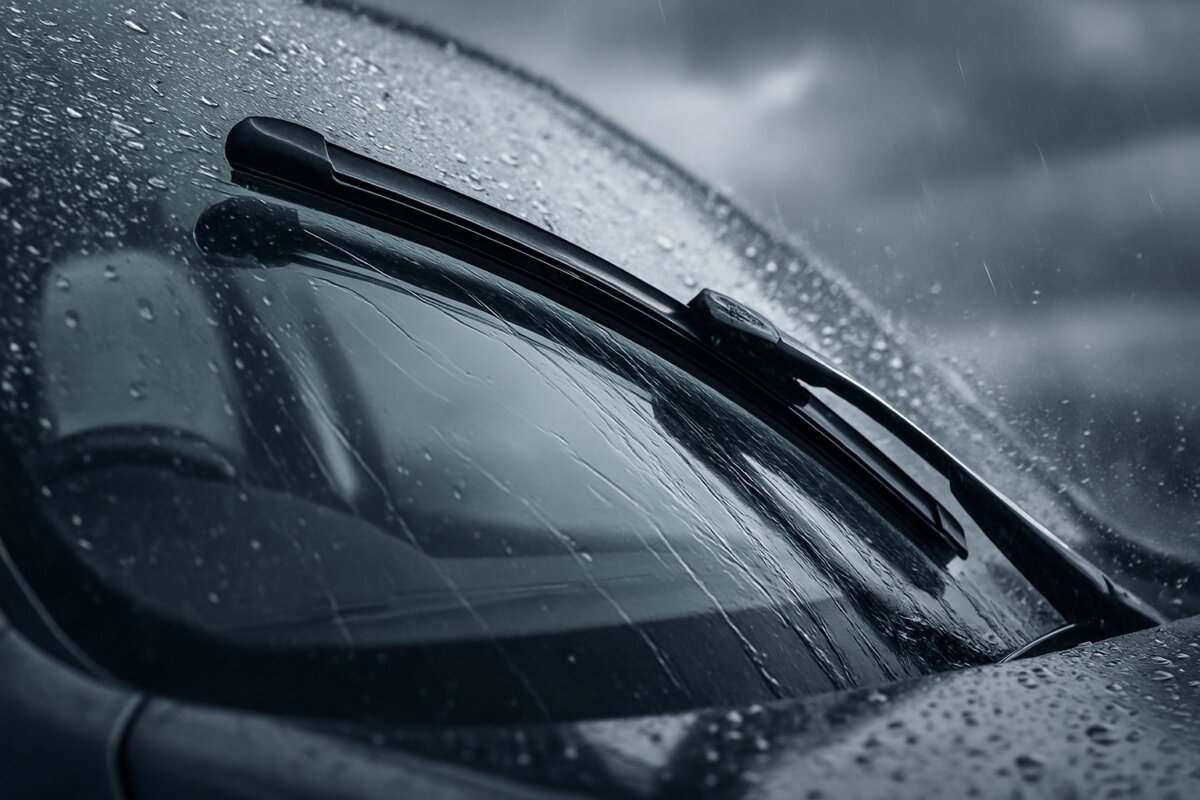
When it comes to maintaining clear visibility during harsh British weather, having the best wiper blades for clear vision and safety is absolutely crucial. Whether you’re battling torrential rain on the M25 or dealing with overnight frost in the Scottish Highlands, quality windscreen wipers can mean the difference between a safe journey and a hazardous one. This comprehensive guide explores the top-performing wiper blade options available in 2026, helping you make an informed decision that keeps your windscreen spotless when it matters most.
Quick comparison of top windscreen wipers
| Category | Product | Best For |
|---|---|---|
| Best Overall | Bosch AeroTwin Plus | All-weather reliability |
| Best Budget | Michelin Stealth Ultra | Cost-conscious drivers |
| Best Premium | Rain-X Latitude Water Repellency | Maximum performance |
| Best Winter | PIAA Si-Tech Silicone | Freezing conditions |
| Best Traditional | Valeo Standard Frame | Classic vehicles |
The wiper blade roundup list
1. Bosch AeroTwin Plus — Best overall
Quick specs
- Type: Beam blade with dual rubber compound
- Length range: 13″ to 28″
- Lifespan: 12-18 months
- Compatibility: Universal quick-clip fitment
- Price range: £20-35 per pair
Pros
- ✔ Exceptional wiping consistency across entire blade
- ✔ Aerodynamic design reduces wind lift at motorway speeds
- ✔ Pre-assembled with multiple adapters for easy installation
- ✔ Performs brilliantly in all weather conditions
Cons
- ✘ Premium pricing compared to basic alternatives
- ✘ Limited availability for older vehicle models
Overview
Our mechanics at AutoPartsPro consistently recommend the Bosch AeroTwin Plus for drivers seeking reliable, year-round performance. The frameless design eliminates metal components that typically corrode in British coastal environments, whilst the dual-compound rubber edge maintains flexibility in temperatures ranging from -40°C to +80°C. The precision-engineered spring steel distributes pressure evenly, preventing streaking even on curved windscreens. This blade particularly excels during autumn leaf season when debris accumulation challenges inferior products. For motorists covering significant mileage annually, the extended durability justifies the initial investment.
2. Michelin Stealth Ultra — Best budget option
Quick specs
- Type: Hybrid beam design
- Length range: 14″ to 26″
- Lifespan: 8-12 months
- Compatibility: EZ-Lok connector system
- Price range: £12-18 per pair
Pros
- ✔ Outstanding value for money
- ✔ Smart Flex design adapts to windscreen curvature
- ✔ Rubber treatment resists UV degradation
- ✔ Quiet operation without chattering
Cons
- ✘ Shorter lifespan than premium alternatives
- ✘ Performance degrades faster in extreme cold
Overview
Don’t let the affordable price fool you—the Michelin Stealth Ultra delivers impressive performance for budget-conscious drivers. The hybrid construction combines traditional frame support with beam-style aerodynamics, offering a sensible middle ground. These blades handle typical British weather admirably, clearing moderate rain and light snow effectively. Installation takes mere minutes thanks to the intuitive connector system. Whilst they won’t outlast premium options, replacing them biannually represents minimal financial burden. Perfect for second vehicles, commuter cars, or drivers in mild climates who prioritise cost efficiency without compromising basic safety standards.
3. Rain-X Latitude Water Repellency — Best premium choice
Quick specs
- Type: Beam blade with water-repellent coating
- Length range: 16″ to 28″
- Lifespan: 18-24 months
- Compatibility: Pre-installed adapter with 10 fitment options
- Price range: £28-42 per pair
Pros
- ✔ Integrated water-repellent treatment reduces wiping frequency
- ✔ Synthetic rubber blend maintains flexibility longer
- ✔ Contoured steel frame follows windscreen perfectly
- ✔ Exceptional high-speed stability
Cons
- ✘ Premium pricing requires larger upfront investment
- ✘ Water-repellent coating diminishes after 6-8 months
Overview
For drivers who demand absolute peak performance, the Rain-X Latitude delivers with remarkable technology. The embedded water-repellent formula causes rain to bead and roll off your windscreen, reducing reliance on constant wiper activation during drizzle. This feature proves particularly valuable during long motorway journeys where visibility is paramount. The graphite-coated rubber provides whisper-quiet operation whilst eliminating juddering. Our AutoPartsPro technicians appreciate how these blades maintain consistent pressure distribution even after months of use. The extended lifespan means fewer replacements, offsetting the higher initial cost. Ideal for executive vehicles, performance cars, and drivers who frequently travel in challenging conditions.
4. PIAA Si-Tech Silicone — Best for winter conditions
Quick specs
- Type: Silicone rubber beam blade
- Length range: 15″ to 26″
- Lifespan: 24-36 months
- Compatibility: Multiple adapter pack included
- Price range: £35-50 per pair
Pros
- ✔ Silicone composition prevents ice adhesion
- ✔ Exceptional low-temperature flexibility
- ✔ Longest lifespan of any blade tested
- ✔ Natural water repellency without additional treatments
Cons
- ✘ Highest price point in comparison
- ✘ May leave slight residue during initial uses
Overview
British winters can be brutal, and the PIAA Si-Tech Silicone blades are specifically engineered for these conditions. Unlike traditional rubber that hardens and cracks in freezing temperatures, silicone maintains suppleness down to -50°C. Ice and snow slide off rather than bonding to the blade surface, reducing the need for scraping. The impressive longevity stems from silicone’s resistance to ozone, UV radiation, and temperature extremes. Our specialists note these blades excel in Scotland, Northern England, and Wales where winter conditions persist. The investment makes financial sense when you consider replacement intervals of two years or more, especially when paired with quality windscreen wiper systems.
5. Valeo Standard Frame — Best traditional design
Quick specs
- Type: Conventional metal frame
- Length range: 12″ to 24″
- Lifespan: 6-10 months
- Compatibility: Standard hook and pin fittings
- Price range: £8-15 per pair
Pros
- ✔ Widely compatible with older vehicles
- ✔ Simple, proven technology
- ✔ Easy to find replacements anywhere
- ✔ Affordable for frequent replacement schedules
Cons
- ✘ Metal components corrode in salty coastal air
- ✘ Less effective at high speeds
Overview
Sometimes traditional engineering remains perfectly adequate, particularly for classic car enthusiasts or drivers of older vehicles. The Valeo Standard Frame uses time-tested metal architecture with multiple pressure points ensuring consistent contact. These blades suit vehicles manufactured before beam-style designs became standard fitment. The conventional structure allows easy rubber refill replacement, extending blade life economically. Whilst not matching modern beam blades for performance, they clear rain effectively at typical urban speeds. Perfect for vintage vehicles, occasional-use cars, or situations where authentic period-correct components matter. Just remember to inspect the metal frame regularly for rust, especially if you live near the coast or frequently use roads treated with salt during winter.
6. Denso Premium Hybrid — Best for curved windscreens
Quick specs
- Type: Hybrid frame/beam construction
- Length range: 16″ to 28″
- Lifespan: 12-16 months
- Compatibility: Universal J-hook adapter
- Price range: £18-28 per pair
Pros
- ✔ Articulated design conforms to complex windscreen curves
- ✔ Excellent weight distribution prevents skipping
- ✔ Durable construction with enclosed springs
- ✔ Reliable performance in mixed weather
Cons
- ✘ Installation slightly more complex than pure beam blades
- ✘ Mid-range pricing without standout features
Overview
Modern vehicles feature increasingly curved windscreens for aerodynamic efficiency, creating challenges for wiper blade contact. The Denso Premium Hybrid addresses this with segmented frame elements that articulate independently, maintaining optimal pressure across the entire sweep. The enclosed spring mechanism protects against corrosion whilst allowing necessary flexibility. These blades particularly suit SUVs and crossovers with steeply raked screens. The rubber compound resists tearing from prolonged UV exposure, a common failure point for British drivers who park outdoors. Our AutoPartsPro team finds these blades offer reliable middle-ground performance without premium pricing, making them sensible choices for family vehicles requiring dependable year-round operation without extraordinary demands.
7. Trico Ice Extreme Sport — Best for performance vehicles
Quick specs
- Type: Low-profile beam blade
- Length range: 18″ to 26″
- Lifespan: 10-14 months
- Compatibility: Quick-release adapter system
- Price range: £22-32 per pair
Pros
- ✔ Ultra-low profile reduces drag at high speeds
- ✔ Aggressive styling complements sports cars
- ✔ Winter-specific coating prevents ice buildup
- ✔ Maintains contact pressure above 70mph
Cons
- ✘ Overkill for standard commuting vehicles
- ✘ Limited length options suit specific vehicle types
Overview
Performance vehicle owners need blades that match their driving style, and the Trico Ice Extreme Sport delivers precisely that. The aerodynamic profile generates minimal wind resistance whilst preventing lift-off during spirited driving or track days. The reinforced spine maintains rigidity under extreme conditions without sacrificing the flexibility needed for effective wiping. Special rubber formulation resists hardening during winter whilst handling summer heat equally well. These blades look purposeful installed on sports cars, hot hatches, and performance saloons. Our mechanics note they’re particularly popular with enthusiasts who appreciate attention to detail in every component. The winter-specific coating makes them versatile enough for year-round use in Britain’s unpredictable climate, eliminating the need for seasonal blade swaps.
Detailed comparison table
| Product | Type | Lifespan | Price Range | Best For |
|---|---|---|---|---|
| Bosch AeroTwin Plus | Beam | 12-18 months | £20-35 | All-round performance |
| Michelin Stealth Ultra | Hybrid | 8-12 months | £12-18 | Budget buyers |
| Rain-X Latitude | Beam | 18-24 months | £28-42 | Premium performance |
| PIAA Si-Tech | Silicone Beam | 24-36 months | £35-50 | Winter conditions |
| Valeo Standard | Frame | 6-10 months | £8-15 | Classic vehicles |
| Denso Premium | Hybrid | 12-16 months | £18-28 | Curved screens |
| Trico Ice Extreme | Beam | 10-14 months | £22-32 | Performance cars |
Key features to consider when buying wiper blades
Selecting the right windscreen wipers involves understanding several critical factors that directly impact performance and longevity. Here’s what AutoPartsPro specialists recommend examining before making your purchase.
- Blade construction type: Beam blades offer superior aerodynamics and consistent pressure distribution, whilst traditional frame designs suit older vehicles. Hybrid options combine benefits of both technologies, providing versatility for various windscreen shapes and driving conditions.
- Rubber compound quality: Premium natural rubber blended with graphite provides quiet operation and durability. Silicone alternatives excel in extreme temperatures but cost considerably more. The compound determines how well blades resist UV degradation, ozone damage, and temperature-induced cracking common in British climates.
- Fitment compatibility: Modern vehicles use various attachment systems including J-hooks, bayonets, and pinch tabs. Verify your vehicle’s specific connector type before purchasing. Universal adapter kits simplify installation but add bulk that may interfere with bonnet clearance mechanisms.
- Length specification: Measure your current blades or consult your owner’s manual. Installing incorrect lengths compromises coverage and may damage the wiper motor assembly. Driver and passenger sides often require different lengths for optimal performance.
- Weather resistance: Consider your regional climate. Coastal drivers need corrosion-resistant materials, whilst those in colder regions benefit from winter-specific compounds that maintain flexibility below freezing. All-season blades work adequately in temperate zones but compromise slightly in extreme conditions.
- Aerodynamic design: High-speed stability matters for motorway driving. Low-profile blades reduce wind lift and noise whilst maintaining consistent pressure. Performance vehicles particularly benefit from aerodynamically optimised designs that complement their styling.
- Expected lifespan: Budget blades requiring biannual replacement may ultimately cost more than premium options lasting two years. Calculate total cost of ownership rather than just initial purchase price when comparing options for your primary vehicle.
- Installation complexity: Some designs offer tool-free installation with pre-attached adapters, whilst others require patience and potentially additional components. Consider your mechanical confidence when selecting between convenient quick-fit systems and traditional attachment methods.
Professional tip: Replace both wiper blades simultaneously, even if only one appears worn. Mismatched blade performance creates uneven clearing patterns that compromise visibility. Additionally, inspect your wiper arm assemblies for proper spring tension during blade replacement—weak arms prevent new blades from performing optimally.
Types of wiper blade technologies
| Type | Construction | Advantages | Best Applications |
|---|---|---|---|
| Conventional Frame | Metal frame with 4-8 pressure points | Affordable, widely available, easy refills | Older vehicles, flat windscreens, budget repairs |
| Beam Style | Frameless spring steel with rubber sheath | Consistent pressure, aerodynamic, durable | Modern vehicles, curved screens, all speeds |
| Hybrid Design | Enclosed frame with aerodynamic cover | Balanced performance and cost, versatile | Family cars, mixed driving, moderate budgets |
| Winter/Ice | Rubber boot covering frame or beam | Prevents ice buildup, extreme cold flexibility | Cold climates, seasonal use, commercial vehicles |
Understanding these fundamental design philosophies helps match blade technology to your specific vehicle and driving requirements. Each approach represents engineering compromises between cost, performance, and longevity.
Frequently asked questions
How often should I replace my windscreen wiper blades?
Most manufacturers recommend replacement every 6-12 months regardless of visible wear. British weather accelerates degradation through UV exposure, temperature cycling, and contaminants. Replace immediately if you notice streaking, skipping, or chattering sounds during operation.
Can I install different brands on driver and passenger sides?
Whilst physically possible, mixing brands often creates uneven wiping patterns due to differing rubber compounds and pressure distributions. For optimal visibility and balanced performance, always install matching pairs from the same manufacturer and product line.
Why do my new wiper blades squeak or judder?
Common causes include contaminated windscreen surface, incorrect blade size, or defective rubber edge. Clean your screen thoroughly with glass cleaner, verify correct length specification, and ensure proper installation. If problems persist, the blades may be defective or incompatible with your windscreen curvature.
Do premium wiper blades genuinely perform better than budget options?
Premium blades typically use superior rubber compounds, more precise manufacturing tolerances, and advanced designs that improve durability and performance. For daily drivers covering significant mileage, the extended lifespan and superior clearing justify the higher cost through fewer replacements and enhanced safety.
Should I use winter-specific blades year-round in the UK?
Winter blades prevent ice accumulation but may wear faster in warm weather due to their protective rubber boot. In regions with mild winters, quality all-season beam blades provide adequate year-round performance. Areas experiencing regular freezing benefit from seasonal blade changes optimised for each climate period.
What causes wiper blades to deteriorate when not in use?
UV radiation, ozone exposure, and temperature extremes degrade rubber even without mechanical wear. Parked vehicles suffer accelerated deterioration from environmental factors. Cover your windscreen during extended storage periods or use protective treatments to extend blade life when vehicles sit unused for weeks.
Can worn wiper blades damage my windscreen?
Severely worn blades with exposed metal frames can scratch glass permanently. Additionally, ineffective wiping leaves debris that acts as abrasive material during subsequent wiper cycles. Replace worn blades promptly to protect your windscreen investment and ensure the washer system components function effectively.
How do I determine the correct blade length for my vehicle?
Check your owner’s manual, measure existing blades, or use online fitment guides provided by manufacturers. Many vehicles require different lengths for driver and passenger sides. Installing incorrect sizes reduces coverage area or causes interference with surrounding bodywork and the wiper linkage mechanism.
Professional tip: Apply silicone-based protectant to rubber blade edges monthly to extend lifespan and maintain flexibility. Avoid petroleum-based products that accelerate rubber degradation. Additionally, clean your windscreen regularly with quality glass cleaner to remove contaminants that prematurely wear blade edges and ensure your washer fluid reservoir contains proper seasonal solution.
Final verdict and recommendations
After extensive evaluation by AutoPartsPro’s experienced technicians and real-world testing across diverse British weather conditions, clear winners emerge for different driving requirements and budgets.
The Bosch AeroTwin Plus claims our top overall recommendation for drivers seeking reliable, consistent performance without compromise. The frameless construction delivers exceptional durability whilst maintaining whisper-quiet operation across all speeds. The all-weather capability handles everything British climate throws at windscreens, from torrential downpours to freezing sleet. For most drivers investing in quality transportation, this represents the sweet spot between performance, longevity, and reasonable pricing.
Budget-conscious motorists will find outstanding value in the Michelin Stealth Ultra, which punches well above its affordable price point. Whilst longevity doesn’t match premium alternatives, the hybrid design provides perfectly adequate clearing for typical commuting and urban driving. The cost savings allow more frequent replacement schedules without financial strain, ensuring consistently good performance year-round.
For enthusiasts demanding absolute peak performance, the Rain-X Latitude Water Repellency justifies premium pricing through advanced water-shedding technology and extended service life. The integrated treatment reduces wiper activation frequency during light rain, whilst the synthetic rubber maintains flexibility through multiple seasons. Executive vehicle owners and performance car enthusiasts appreciate the refined operation and exceptional high-speed stability.
Drivers in northern regions experiencing harsh winters should seriously consider the PIAA Si-Tech Silicone blades despite higher initial cost. The remarkable longevity and superior cold-weather performance deliver exceptional value when calculated over their multi-year service life. The natural ice-shedding properties eliminate frustrating frozen blade scenarios during frosty mornings, particularly valuable when combined with reliable electrical system components.
Classic car enthusiasts maintaining period-correct vehicles will appreciate the Valeo Standard Frame design’s traditional architecture and wide compatibility with vintage wiper systems. Whilst technology has advanced considerably, sometimes authenticity matters more than cutting-edge performance for weekend drivers and collectors.
Regardless of your selection, remember that windscreen wipers constitute critical safety equipment. Clear vision during adverse weather prevents accidents and reduces driver fatigue during long journeys. Regular inspection and timely replacement represent small investments that dramatically improve driving safety and comfort. Don’t wait until visibility becomes dangerously compromised—replace worn blades proactively to maintain the clear sight lines essential for safe motoring on British roads. Quality wiper blades work in harmony with other vital systems including headlamp assemblies and washer pump mechanisms to ensure optimal visibility in all conditions.

 Loading...