Car interior lights enhance visibility, safety, and ambience within your vehicle. This complete guide to car interior lights covers the main types—dome lights, map lights, footwell illumination, and ambient LED strips—along with step-by-step installation procedures, essential tools, and common troubleshooting methods. Whether upgrading factory bulbs or installing custom lighting, understanding voltage requirements, correct wiring, and fuse specifications ensures reliable performance and prevents electrical faults.
Types of car interior lights
Modern vehicles feature several interior lighting types, each serving specific functions. Dome lights provide general overhead illumination when doors open or via manual switches. Map lights offer focused reading beams for front passengers. Footwell lights improve visibility around pedals and floor areas, whilst ambient LED strips create mood lighting along door panels, dashboard edges, and centre consoles.
OEM bulbs typically use incandescent or halogen technology, whilst aftermarket upgrades favour LED alternatives for brighter output and lower current draw. LED modules consume less power, reducing strain on your vehicle’s battery and alternator. Colour temperature ranges from warm white (3000K) to cool white (6000K), with RGB options enabling customisable colour schemes controlled via remote or smartphone app.
According to Autopartspro’s specialists, LED conversions offer the best value for interior upgrades. They produce minimal heat, last significantly longer than traditional bulbs, and integrate seamlessly with modern vehicle electronics when paired with proper CAN-bus adaptors.
Tools and parts required
Successful interior lighting projects depend on having the correct components and equipment ready before starting work.
Parts needed
- LED bulbs or strip kits (vehicle-specific fitment)
- Inline fuse holders (blade-type, rated to match circuit)
- Quick-splice connectors or solder joints
- Heat-shrink tubing
- Cable ties and mounting clips
- Electrical tape
- CAN-bus adaptors (for vehicles with error detection systems)
Tools required
- Trim removal tools (plastic or nylon to prevent scratches)
- Wire strippers and crimping pliers
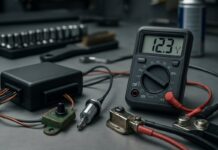
- Multimeter (for voltage and continuity testing)
- Soldering iron (optional but recommended for permanent connections)
- Cable cutter or side cutters
- Phillips and flathead screwdrivers
- Torch or work light
Always verify bulb size, socket type, and voltage rating against your vehicle’s manual or existing components. Mismatched specifications cause flickering, premature failure, or electrical damage.
Safety precautions
Working with automotive electrics requires careful preparation to avoid short circuits and injury. Disconnect the negative terminal of your battery before beginning any wiring work. This prevents accidental shorts that could damage sensitive control units or cause sparks near flammable materials.
Wear safety glasses when removing trim panels, as clips can spring loose unexpectedly. Use insulated tools when working near live circuits, and never bypass fuses or exceed recommended current ratings. Keep a fire extinguisher nearby when soldering or testing new circuits.
Ensure adequate ventilation if using adhesive-backed LED strips, as some emit fumes during curing. Avoid routing wires near hot components such as the blower motor or heater core, and secure all cables with proper clips to prevent chafing against sharp edges.
Step-by-step installation instructions
Follow these detailed procedures to install interior lights safely and effectively. Each step includes practical tips from experienced technicians.
Step 1: Plan your lighting layout
Identify mounting locations for new lights or LED strips. Common positions include under the dashboard, beneath seats, inside door pockets, and along footwell edges. Measure cable runs from each light to the power source, adding 20% extra length for routing flexibility.
Sketch a wiring diagram showing positive and negative connections, fuse placement, and switch locations. This reference prevents confusion during installation and helps troubleshoot issues later.
Step 2: Remove necessary trim panels
Use plastic trim tools to gently pry away panels concealing factory wiring. Start at panel edges, working around clips methodically to avoid breakage. Many dome light assemblies twist anticlockwise or unclip with gentle downward pressure.
Store removed screws and clips in labelled containers. Photograph clip positions before removal, as trim reinstallation follows the reverse sequence.
Step 3: Locate power source
Interior lights typically tap into existing courtesy light circuits or connect directly to the fuse box. For switched operation, identify a 12V supply that activates with ignition or door opening. Use a multimeter to confirm voltage presence and polarity.
Alternatively, run dedicated wiring from the battery via an inline fuse holder. This method suits high-power LED installations requiring stable voltage without interference from other circuits. Ensure the fuse rating matches the total current draw of your lighting setup.
Always route power cables away from moving parts like pedals, seat runners, and steering columns. Secure with cable ties at regular intervals to prevent vibration-induced wear.
Step 4: Connect LED lights or bulbs
For bulb replacements, remove the old bulb by pulling straight out or twisting anticlockwise, depending on socket type. Insert the new LED bulb, ensuring pins align correctly. If the bulb doesn’t illuminate, reverse polarity by rotating 180 degrees—many LED bulbs are polarity-sensitive.
When installing LED strips, clean mounting surfaces with isopropyl alcohol before applying adhesive backing. Press firmly for 10 seconds to ensure strong bonding. Connect positive wires (usually red) to the 12V source and negative wires (black) to a chassis ground point or battery negative terminal.
Use quick-splice connectors for temporary installations or solder joints with heat-shrink tubing for permanent setups. Crimp connections firmly and tug-test each joint before proceeding.
Step 5: Install fuse protection
Position an inline fuse holder as close to the power source as possible—ideally within 15cm of the battery or fuse box tap. Select a fuse rated 20% above your circuit’s maximum current draw. For example, a 2-amp LED strip requires a 2.5-amp or 3-amp fuse.
Ensure fuse holders feature waterproof caps if routed through engine bay bulkheads. Moisture ingress causes corrosion and intermittent faults.
Step 6: Test functionality before reassembly
Reconnect the battery negative terminal and switch on the ignition or open a door to activate circuits. Check each light for correct operation, even brightness, and absence of flickering. If lights don’t illuminate, verify fuse integrity, check wiring polarity, and confirm solid earth connections.
Modern vehicles with CAN-bus systems may display error messages when detecting LED bulbs. Install CAN-bus adaptors inline with affected circuits to eliminate warnings. These modules simulate the resistance of original bulbs, preventing fault codes.
Step 7: Secure wiring and reinstall trim
Once testing confirms proper operation, bundle wires neatly with cable ties and tuck them behind trim panels. Avoid sharp bends that stress solder joints or crimp connections. Ensure no wires protrude into areas where they could catch on clothing or objects.
Refit trim panels by aligning clips and pressing firmly until you hear audible clicks. Replace any screws removed earlier, tightening to finger-tight plus a quarter turn—over-tightening cracks plastic.
Common mistakes to avoid
Several errors frequently occur during interior lighting installations. Incorrect polarity causes LEDs to fail immediately, so always verify positive and negative connections with a multimeter before powering up circuits.
Exceeding fuse ratings invites electrical fires. Calculate total current draw by adding individual LED strip amperages, then select a fuse 20% higher than this sum. Never use wire rated below the circuit’s maximum current.
Skipping CAN-bus adaptors on compatible vehicles triggers persistent error messages and may disable other electrical functions. Invest in quality adaptors from reputable suppliers rather than cheap alternatives that fail prematurely.
Poor earthing creates dim lighting and flickering. Always connect ground wires to bare metal chassis points, scraping away paint or rust to ensure solid contact. Add a star washer beneath the fixing bolt to maintain long-term conductivity.
Autopartspro’s technicians note that rushing installations leads to damaged trim clips and stripped screw threads. Take time to understand panel removal sequences and apply gentle, even pressure when separating components.
Troubleshooting interior light problems
When interior lights malfunction, systematic diagnosis identifies root causes quickly. Start by checking fuses—a blown fuse indicates short circuits or excessive current draw. Replace with the correct rating and investigate why the original failed.
Lights won’t illuminate
Verify battery voltage reaches the light socket using a multimeter. If voltage is present but lights remain off, suspect faulty bulbs or poor earth connections. Test bulbs in a known working socket or replace with new units.
Inspect wiring for breaks, corrosion, or loose terminals. Wiggle connectors whilst lights are powered to reveal intermittent faults. Re-crimp or resolder suspect joints.
Flickering or dim output
Flickering often results from inadequate earth connections. Clean earth points with a wire brush and apply dielectric grease to prevent future corrosion. Check that earth wires have sufficient gauge—16 AWG minimum for most LED installations.
Dim LEDs suggest voltage drop across long cable runs or undersized wire. Measure voltage at the light fitting; if below 11.5V with the engine running, upgrade to thicker cable or shorten the run. Voltage drop calculators help determine appropriate wire gauge for your application.
Error messages on dashboard
CAN-bus systems detect LED bulbs as failed lamps due to low current draw. Install appropriate load resistors or CAN-bus adaptors to simulate original bulb resistance. These plug inline between the bulb and socket, requiring no modifications.
Persistent errors after fitting adaptors may indicate incompatible LED bulbs. Choose premium brands designed specifically for CAN-bus vehicles rather than generic alternatives.
Lights stay on permanently
This fault typically stems from door switch problems or faulty light bulbs control modules. Test door switches by manually operating them whilst observing light behaviour. Replace defective switches or adjust striker plates to ensure full closure.
If all switches function correctly, suspect the body control module. Professional diagnostic equipment reads fault codes stored in these modules, pinpointing exact failures.
When troubleshooting electrical faults, always measure actual values rather than assuming correct operation. A multimeter eliminates guesswork and identifies problems invisible to visual inspection.
When should you upgrade interior lights?
Several indicators suggest it’s time to upgrade your vehicle’s interior lighting. Yellowing or dim factory bulbs reduce visibility and date your car’s appearance. Modern LED alternatives provide whiter, brighter light that improves safety during night driving.
If you frequently carry passengers or load cargo in darkness, additional lighting in footwells and boot areas prevents trips and fumbling. Custom RGB installations suit enthusiasts wanting personalised ambience or show vehicle preparation.
Vehicles exceeding five years often benefit from complete interior lighting overhauls. Original bulbs degrade over time, and wiring harnesses develop corrosion at connection points. A comprehensive upgrade addresses these age-related issues whilst modernising aesthetics.
Consider upgrades when installing other electrical accessories. Running new wiring for dash cameras, phone chargers, or audio equipment provides opportunities to add lighting circuits simultaneously, saving labour time and material costs.
Related maintenance you can do at the same time
Interior lighting upgrades often coincide with other electrical and trim improvements. Whilst panels are removed, inspect and replace worn cabin filter elements to improve air quality and heater performance. Dirty filters restrict airflow and reduce defrosting efficiency.
Check condition of window switches and central locking system components. Clean contact points with electrical cleaner spray and lubricate moving parts with silicone grease.
Examine your battery terminals for corrosion whilst disconnected for lighting work. Clean posts with a wire brush and apply terminal protection spray. Test battery voltage under load to ensure charging system health—readings below 12.4V when engine is off suggest replacement soon.
Upgrade headlamp and tail lights bulbs to match interior LED colour temperature for consistent appearance. Many vehicles use dual-filament bulbs requiring careful orientation during installation.
Frequently asked questions
Can I install LED interior lights without professional help?
Yes, most interior LED installations require only basic tools and electrical knowledge. Follow wiring diagrams carefully, test connections before final assembly, and use proper fuse protection. Complex installations involving body control module programming may need professional assistance.
Why do my LED interior lights flicker?
Flickering usually indicates poor earth connections, inadequate wire gauge, or CAN-bus incompatibility. Check earth points are clean and tight, verify wire thickness suits current draw, and install CAN-bus adaptors if your vehicle uses advanced electronics.
What colour temperature works best for interior lights?
Warm white (3000-4000K) creates comfortable ambience similar to factory lighting. Cool white (5000-6000K) provides maximum visibility for reading and detail work. Personal preference and intended use determine the ideal choice for your application.
How long do LED interior lights typically last?
Quality automotive LED bulbs last 25,000 to 50,000 hours—far exceeding halogen bulb lifespan. Actual longevity depends on heat management, voltage stability, and manufacturing quality. Premium brands with proper thermal design outlast budget alternatives significantly.
Will LED interior lights drain my battery when parked?
LEDs draw minimal current, but leaving any lights on overnight will eventually flatten a battery. Wire interior lights through ignition-switched circuits or timer modules that automatically disconnect power after 30 minutes. Monitor battery voltage regularly if installing high-power systems.
Upgrading your vehicle’s interior lighting transforms both functionality and appearance with relatively simple procedures. Quality LED components, correct wiring techniques, and thorough testing ensure reliable operation for years. Whether replacing single bulbs or installing complete custom systems, attention to voltage requirements, earth connections, and fuse protection prevents common failures. The right additional lighting components matched to your specific vehicle will deliver professional results and enhanced driving comfort.

 Loading...