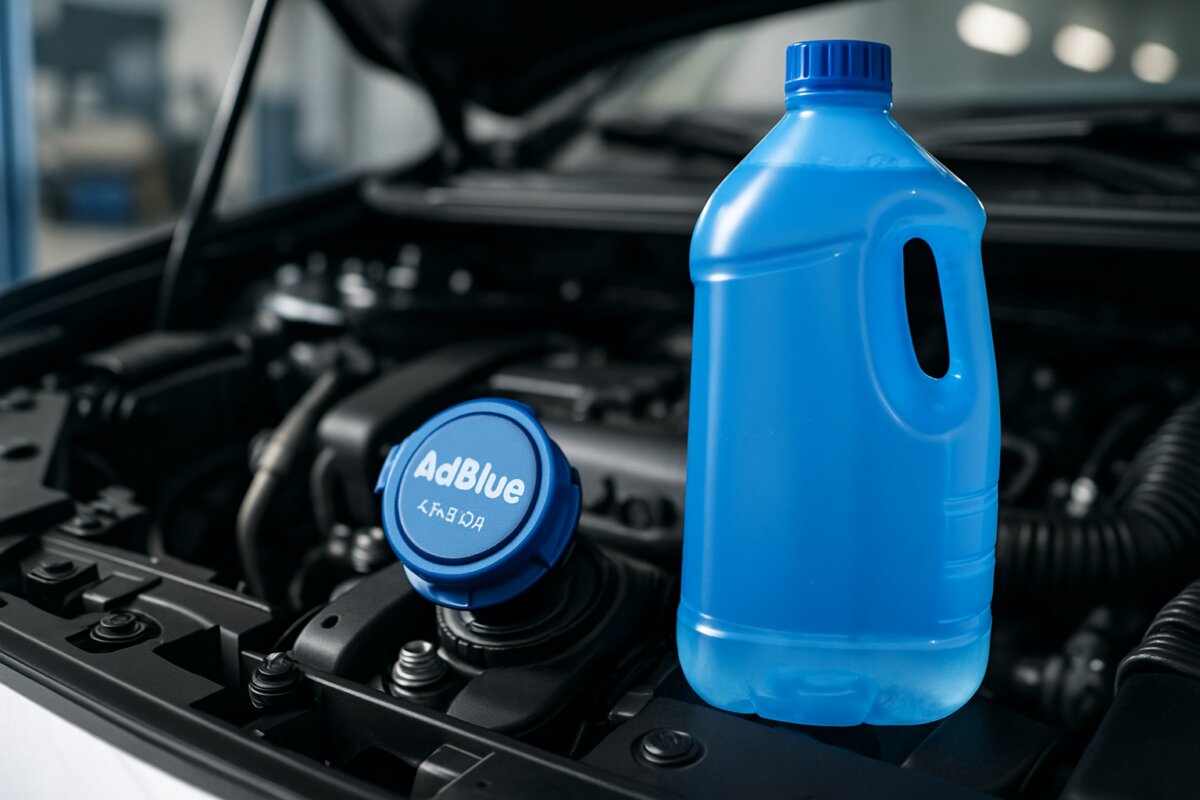
Modern diesel engines rely heavily on AdBlue® (diesel exhaust fluid) to reduce harmful nitrogen oxide emissions. When AdBlue® problems arise, they can trigger warning lights, limit engine performance, or even prevent your vehicle from starting. Understanding these malfunctions and knowing how to address them quickly will save you time, money, and frustration on UK roads.
AdBlue® system sensor failures
The AdBlue® quality sensor monitors the concentration and purity of the diesel exhaust fluid in your tank. When this sensor malfunctions, your dashboard will likely display a warning message, even if the fluid level is adequate. This happens because the sensor cannot accurately read the fluid properties, leading to false error codes that confuse drivers.
Sensor failures often result from contamination or crystallisation around the sensor probe. If you’ve accidentally filled the tank with water, incorrect AdBlue®, or fuel, the sensor will detect the anomaly immediately. Temperature extremes also affect sensor accuracy—freezing conditions cause the fluid to crystallise, whilst excessive heat can degrade sensor components over time.
To fix sensor issues, first drain and flush the AdBlue® tank completely. Use only high-quality diesel exhaust fluid that meets ISO 22241 standards. Clean the sensor probe carefully with warm water to remove any crystalline deposits. If the warning persists after refilling with fresh AdBlue®, the sensor itself may need replacement. Many vehicles require diagnostic equipment to reset the fault codes properly, so professional assistance might be necessary.
Top tip: Always purchase AdBlue® from reputable suppliers and never dilute it with water, as even small contamination levels trigger sensor faults.
AdBlue® pump and injector blockages
The AdBlue® pump and injector work together to spray precise amounts of diesel exhaust fluid into the exhaust stream. These components operate under demanding conditions and are particularly vulnerable to crystallisation when the fluid evaporates and leaves behind urea crystals. These crystals accumulate inside narrow passages, eventually blocking the injector nozzle or pump mechanism.
Symptoms of pump and injector blockages include engine performance restrictions, reduced power output, and persistent dashboard warnings about AdBlue® system errors. Your vehicle may enter ‘limp mode’, limiting speed to 30-40 mph until the issue is resolved. In severe cases, the engine won’t restart once switched off, leaving you stranded.
Prevention is better than cure with these components. Regular use of your vehicle prevents the fluid from sitting idle and crystallising. For vehicles used infrequently, run the engine for at least 20 minutes every fortnight to circulate the AdBlue® through the system. If blockages occur, specialist cleaning with demineralised water sometimes works, but replacement of the pump or injector assembly is often the only reliable solution.
Our mechanics at AutopartsPro recommend checking related components like fuel pump assemblies and diesel fuel injectors during any AdBlue® system repair, as contamination can affect multiple systems simultaneously.
AdBlue® tank heater malfunctions
Diesel exhaust fluid freezes at approximately -11°C, which presents obvious challenges during British winters. To prevent this, vehicles incorporate an AdBlue® tank heater that warms the fluid before use. When this heating element fails, the fluid remains frozen, preventing the emission control system from functioning correctly.
Heater failures manifest as warning lights during cold weather, particularly on first morning starts. The vehicle may allow normal operation initially but will count down the remaining distance before engine restrictions apply. Some systems give you 1,500 miles’ notice, whilst others are less generous with their warnings.
Testing the heater requires diagnostic equipment to check electrical circuits and resistance values. The heater element itself can fail due to age, corrosion, or manufacturing defects. Wiring connections also corrode over time, especially on older vehicles exposed to road salt and moisture. Replacing a faulty heater typically involves dropping the AdBlue® tank, which requires draining the fluid completely.
Regular battery maintenance helps, as weak batteries struggle to power the heater effectively. Parking in a garage during freezing weather reduces strain on the heating system and prevents unnecessary failures.
Top tip: If you notice AdBlue® warnings only in cold weather, suspect the tank heater before replacing expensive sensors or pumps.
AdBlue® tank contamination
Contamination represents one of the most damaging AdBlue® problems you can encounter. The most common mistake involves accidentally filling the AdBlue® tank with diesel fuel or petrol, or conversely, putting AdBlue® into the fuel tank. Both scenarios cause catastrophic damage to sensitive components and require immediate professional attention.
Even small amounts of fuel contamination destroy the AdBlue® system’s effectiveness. The fluid becomes chemically altered, rendering it useless for emissions control. Sensors immediately detect the contamination, triggering warning lights and performance restrictions. If you’ve misfuelled, do not start the engine. Starting circulates the contaminated fluid through pumps and injectors, causing extensive damage.
Water contamination is equally problematic. Rain entering through a faulty filler cap or condensation in partially empty tanks dilutes the AdBlue® concentration below the required 32.5% urea solution. This triggers quality sensor warnings and prevents proper SCR (Selective Catalytic Reduction) operation.
Resolving contamination requires complete system drainage and flushing. Professional workshops use specialised equipment to purge every component, from the tank to the injector. All affected parts may need replacement, including pumps, various sensors, and pipework. Prevention is straightforward—always double-check before filling, use clearly labelled containers, and ensure the AdBlue® filler cap seals properly.
AdBlue® dosing control unit failures
The dosing control unit serves as the brain of your AdBlue® system, calculating exactly how much diesel exhaust fluid to inject based on engine load, temperature, and exhaust gas composition. This electronic control unit processes data from multiple sensors and commands the pump accordingly.
When dosing control units fail, the symptoms vary considerably. You might experience intermittent warnings, complete system shutdown, or incorrect fluid consumption rates. Some vehicles use excessive AdBlue®, requiring frequent top-ups, whilst others inject too little, causing emissions test failures and triggering engine management lights.
Electronic component failures stem from various causes including water ingress, vibration damage, or simple age-related deterioration. Software corruption also occurs, particularly after incomplete updates or electrical system faults. The unit’s location—often beneath the vehicle near the tank—exposes it to road spray, salt, and physical impacts.
Diagnostics require specialist equipment to read fault codes and monitor real-time data streams. Sometimes a software update resolves the issue, but failed hardware necessitates complete unit replacement. Always source genuine or high-quality aftermarket replacements, as cheap alternatives often fail prematurely or cause further system errors.
AdBlue® level sender and gauge errors
The level sender measures how much AdBlue® remains in your tank, displaying this information on the dashboard. When this component fails, you receive inaccurate readings—the gauge might show full when nearly empty, or vice versa. This creates obvious problems, as running completely dry triggers engine performance restrictions that persist even after refilling.
Level sender failures typically result from mechanical wear on the float mechanism or electrical faults in the sender unit. Crystallisation around moving parts causes sticking, preventing accurate measurement. Corrosion on electrical connections produces intermittent signals that confuse the vehicle’s computer system.
You’ll notice level gauge errors when the indicated level doesn’t change after filling the tank, or when warnings appear despite recently topping up. Some vehicles display contradictory messages, showing both ‘tank full’ and ‘AdBlue® low’ simultaneously. These confusing signals indicate sender malfunction rather than actual fluid level problems.
Replacing the level sender usually requires removing the AdBlue® tank or accessing it through an inspection panel. Before replacement, verify that the issue isn’t simply a poor electrical connection or corroded wiring. Clean all contacts thoroughly and check wiring integrity from the sender to the dashboard. If mechanical failure is confirmed, fit a new sender unit and reset the system using diagnostic equipment.
Warning signs your car has a problem
Dashboard warning lights represent your first indication of AdBlue® system problems. The specific warning varies by manufacturer—some display a dedicated AdBlue® symbol, whilst others show a general emissions warning alongside text messages. Pay attention to countdown timers indicating remaining mileage before engine restrictions apply.
Reduced engine performance signals serious AdBlue® issues. If your diesel suddenly lacks power, struggles to accelerate, or won’t exceed certain speeds, the SCR system has likely entered protection mode. This isn’t a fault with the engine itself but a deliberate restriction to prevent continued operation without proper emissions control.
Unusual AdBlue® consumption patterns warrant investigation. If you’re refilling far more frequently than expected, suspect leaks or dosing control problems. Conversely, if the level never seems to drop, the system might not be injecting fluid at all, which will eventually trigger warning lights and performance restrictions.
Strange smells from the exhaust, particularly ammonia-like odours, suggest AdBlue® system malfunctions. The SCR catalyst converts urea into harmless nitrogen and water, but incorrect dosing produces ammonia that you can smell. This indicates either over-injection or catalyst failure requiring immediate attention.
Physical leaks beneath your vehicle deserve immediate investigation. AdBlue® leaves white crystalline deposits when it evaporates, making leaks relatively easy to spot. Check around the tank, pump assembly, and connecting pipework. Even small leaks rapidly empty the tank and contaminate surrounding components with corrosive urea crystals.
When to see a mechanic
Seek professional assistance immediately if warning lights appear with countdown timers. These indicate serious system faults that will eventually prevent vehicle operation. Don’t wait until the counter reaches zero, as this forces expensive recovery and possible roadside breakdown.
Any suspected contamination—whether fuel in the AdBlue® tank or AdBlue® in the fuel system—requires immediate professional attention before starting the engine. The cost of preventative draining is tiny compared to repairing contamination damage to pumps, injectors, and catalytic converters.
Persistent warnings after refilling with fresh AdBlue® suggest component failures rather than simple low fluid levels. Sensors, pumps, or control units may need replacement, which requires diagnostic equipment to identify the exact fault. Attempting DIY repairs without proper diagnostics often wastes money replacing unnecessary parts.
Visible leaks demand prompt attention to prevent complete fluid loss and potential damage to surrounding components. AdBlue® is corrosive to certain metals and can damage paintwork, wiring, and rubber components when leaked. Professional mechanics identify leak sources quickly and replace failed seals, hoses, or tank assemblies.
When experiencing cold weather issues that disappear once the vehicle warms up, have the tank heater system tested. Intermittent faults become permanent failures, and replacing a heater element costs significantly less than replacing an entire frozen and damaged pump assembly.
Frequently asked questions
Can I use water instead of AdBlue® in an emergency?
Never use water as an AdBlue® substitute. Water dilutes the urea concentration, triggering quality sensor warnings and potentially damaging the SCR catalyst. This causes expensive repairs far exceeding proper AdBlue® costs.
How long does AdBlue® last once opened?
Unopened AdBlue® lasts approximately 18 months when stored correctly. Once opened, use within six months as exposure to air causes degradation. Store in sealed containers away from direct sunlight and temperature extremes.
Why does my AdBlue® warning stay on after refilling?
Warnings persist after refilling due to sensor faults, contaminated fluid, or system crystallisation. The vehicle requires diagnostic reset after certain fault conditions. Professional diagnostics identify whether components need replacement or simple recalibration.
Can I drive with the AdBlue® warning light on?
You can drive temporarily with early AdBlue® warnings, but countdown timers indicate remaining mileage before restrictions apply. Once the limit is reached, the engine won’t restart, requiring fluid top-up and possible system reset.
What happens if I put AdBlue® in the diesel tank?
AdBlue® in the fuel tank causes catastrophic damage to the fuel filter, high pressure fuel pump, and injectors. Do not start the engine. Immediate professional tank drainage and system flushing prevents extensive damage requiring thousands in repairs.
Is all AdBlue® the same quality?
Genuine AdBlue® meeting ISO 22241 standards maintains consistent 32.5% urea concentration. Cheap alternatives may contain impurities causing sensor faults and component damage. Always purchase from reputable suppliers to avoid expensive system problems.
How much does AdBlue® system repair typically cost?
Repair costs vary enormously depending on the fault. Simple sensor replacement costs £150-300, whilst complete system contamination cleanup exceeds £1,500. Tank and pump assembly replacement ranges between £600-1,200 including labour charges.
Can cold weather damage the AdBlue® system?
Freezing temperatures cause AdBlue® to solidify but won’t damage the system if the heater works correctly. Repeated freeze-thaw cycles without proper heating can crack tanks and damage pump seals, requiring component replacement.
Why does my vehicle use more AdBlue® than expected?
Excessive consumption indicates dosing control faults, leaks, or aggressive driving patterns. Heavy loads and motorway driving increase usage. Check for leaks underneath and consider diagnostic testing if consumption seems abnormally high for your driving style.
Will AdBlue® problems cause MOT failure?
Yes, AdBlue® system faults cause MOT failures. Emissions test failures, warning lights, or deliberately disabled SCR systems result in immediate failure. Ensure all AdBlue® warnings are resolved before presenting your vehicle for testing.
Final recommendation
AdBlue® problems shouldn’t be ignored or dismissed as minor inconveniences. These emission control systems are legally required and essential for modern diesel engine operation. At AutopartsPro, our specialists emphasise preventative maintenance over reactive repairs—using quality diesel exhaust fluid, maintaining proper levels, and addressing warnings promptly saves substantial money long-term.
Regular vehicle use prevents crystallisation issues that plague infrequently driven diesels. Keep the tank above quarter-full year-round to minimise condensation and freezing problems. When warnings appear, diagnose the root cause rather than simply resetting codes or topping up fluid. Quality replacement parts from trusted suppliers like AutopartsPro ensure reliable repairs that last.
For vehicles approaching higher mileages, consider preventative replacement of wear items like system hoses and pipework before they fail catastrophically. The modest investment prevents roadside breakdowns and expensive emergency repairs. Remember that proper AdBlue® system maintenance protects not only your vehicle but also air quality for everyone sharing UK roads.

 Loading...