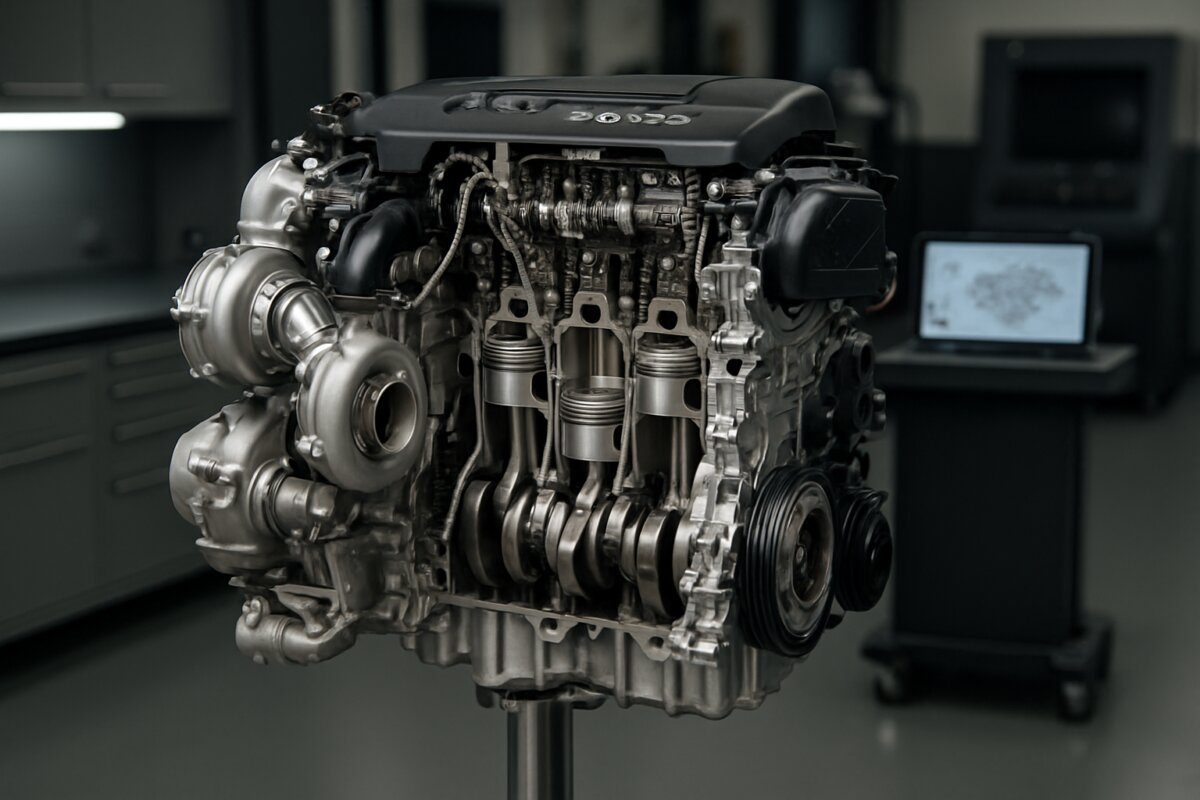
The Audi A3 has carved out a strong position in the premium compact segment since its debut, offering a blend of upscale interior quality and engaging driving dynamics. What truly defines this German hatchback’s character is the engine beneath its bonnet. From efficient turbocharged four-cylinders to muscular performance variants, the powerplant choices significantly influence running costs, driving pleasure, and long-term ownership satisfaction. The range spans from frugal diesel units producing around 116 PS to petrol-powered monsters delivering over 400 PS in the RS3 variant, with torque figures reaching an impressive 500 Nm in top specifications.
Comparison table of all engines
| Engine | Power output | Torque | Fuel consumption | Reliability |
|---|---|---|---|---|
| 1.0 TFSI | 115 PS | 200 Nm | 4.9-5.2 l/100km | Good |
| 1.5 TFSI | 150 PS | 250 Nm | 5.0-5.5 l/100km | Very Good |
| 2.0 TFSI (190 PS) | 190 PS | 320 Nm | 5.6-6.2 l/100km | Good |
| 2.0 TFSI (310 PS) – S3 | 310 PS | 400 Nm | 7.4-8.1 l/100km | Good |
| 2.5 TFSI – RS3 | 400 PS | 500 Nm | 8.8-9.6 l/100km | Fair |
| 1.6 TDI | 116 PS | 250 Nm | 3.8-4.2 l/100km | Very Good |
| 2.0 TDI | 150 PS | 340 Nm | 4.0-4.5 l/100km | Very Good |
1.0 TFSI three-cylinder overview
The 1.0-litre TFSI represents Audi’s entry point into the A3 range, featuring a compact three-cylinder configuration that belies its modest displacement. This inline-three unit employs direct petrol injection technology and turbocharging to extract 115 PS from just 999cc. Despite its small capacity, the engine delivers surprisingly brisk performance thanks to its 200 Nm torque output available from low revs.
Volkswagen Group’s EA211 architecture underpins this powerplant, shared across multiple brands within the conglomerate. The forced induction system utilises a small turbocharger that spools quickly, minimising lag and providing adequate thrust for urban driving scenarios. Regular replacement of the spark plugs ensures optimal combustion efficiency in this compact unit.
Pros
- Outstanding fuel economy figures making it ideal for city commuting
- Low road tax and insurance premiums due to modest emissions
- Surprisingly responsive in normal driving conditions
- Simple mechanical layout reduces potential failure points
- Affordable maintenance costs compared to larger engines
Cons
- Three-cylinder thrum creates noticeable vibration at idle
- Struggles with motorway overtaking when fully laden
- Not particularly engaging for driving enthusiasts
- Can feel overwhelmed on steep gradients
1.5 TFSI four-cylinder overview
Audi’s 1.5 TFSI strikes a brilliant balance between efficiency and performance, representing the sweet spot in the A3 engine range. This turbocharged four-cylinder petrol unit produces 150 PS and 250 Nm, providing adequate power for most driving situations. The engine incorporates cylinder deactivation technology, seamlessly shutting down two cylinders under light loads to conserve fuel.
Direct injection and variable valve timing work in harmony to optimise combustion across the rev range. The turbocharger provides smooth boost delivery without intrusive lag, whilst the sophisticated engine management system ensures emissions remain within strict European standards. Our specialists at Autopartspro frequently recommend this variant for its proven durability and reasonable servicing requirements.
Pros
- Cylinder deactivation technology significantly improves real-world fuel consumption
- Smooth four-cylinder operation eliminates three-pot vibrations
- Adequate performance for overtaking and motorway merging
- Proven reliability record across VW Group applications
- Good parts availability keeps maintenance costs reasonable
Cons
- Cylinder deactivation system adds complexity to the engine
- Performance enthusiasts may find output insufficient
- Timing system requires careful maintenance attention
Professional tip: Always use manufacturer-specified engine oil in turbocharged TFSI engines to prevent premature turbocharger wear and ensure proper lubrication of the cylinder deactivation mechanism.
2.0 TFSI (190 PS) overview
The 2.0-litre TFSI in its 190 PS configuration offers a substantial step up in performance whilst maintaining respectable fuel consumption figures. This EA888 generation engine features an inline-four layout with 1,984cc displacement, turbocharged induction, and sophisticated direct injection. The powerplant generates 320 Nm of torque, providing strong acceleration across a wide rev band.
Variable valve timing on both camshafts optimises breathing characteristics, whilst the intercooled turbocharging system delivers consistent boost pressure. The engine’s refinement levels impress, with minimal vibration transmitted through the engine mounts even under hard acceleration. This unit serves drivers who want genuine performance without stepping into hot hatch territory.
Pros
- Strong mid-range torque makes overtaking effortless
- Refined operation with minimal noise intrusion
- Robust construction handles increased power modifications well
- Widely used across VW Group ensuring excellent parts support
- Better resale values compared to smaller capacity variants
Cons
- Higher fuel consumption than smaller engines
- Increased road tax and insurance premiums
- Timing chain requires monitoring in higher mileage examples
- Carbon build-up on intake valves needs periodic cleaning
2.0 TFSI (310 PS) S3 overview
The S3 variant elevates the 2.0 TFSI to genuine performance credentials, extracting 310 PS and 400 Nm from the same basic architecture. Significant internal modifications include forged pistons, uprated connecting rods, and a substantially larger turbocharger. The quattro all-wheel-drive system channels power to all four corners, enabling devastating acceleration whilst maintaining composure.
An upgraded cooling system manages the increased thermal loads, with larger intercooler and oil cooler maintaining optimal operating temperatures. The exhaust system incorporates a particulate filter to meet emissions standards whilst valve-controlled routing provides soundtrack adjustability. Autopartspro’s technicians note that regular inspection of boost system integrity prevents expensive repairs.
Pros
- Thrilling acceleration rivalling dedicated sports cars
- Quattro drivetrain provides outstanding grip in all conditions
- Surprisingly usable daily with acceptable fuel consumption when driven sensibly
- Strong tuning potential for enthusiasts seeking more power
- Excellent build quality withstands spirited driving
Cons
- Premium fuel required to prevent knock and maximise performance
- Higher servicing costs due to performance components
- Increased wear on consumables like brake pads and tyres
- Complex quattro system adds potential failure points
2.5 TFSI RS3 overview
The RS3 stands apart with its unique five-cylinder 2.5-litre TFSI engine, producing a staggering 400 PS and 500 Nm. This inline-five configuration delivers a distinctive warbling exhaust note that enthusiasts recognise instantly. Turbocharging extracts phenomenal specific output from the 2,480cc displacement, whilst direct injection and sophisticated engine management ensure drivability remains civilised.
Substantial reinforcement throughout the engine block and cylinder head manages the extreme combustion pressures. The water pump and cooling system operate at maximum capacity to dissipate heat, whilst an uprated lubrication system ensures critical components receive adequate protection. This represents the pinnacle of internal combustion technology in the A3 range.
Pros
- Intoxicating five-cylinder soundtrack unmatched in the segment
- Devastating performance with sub-4-second 0-60 mph capability
- Exceptional engineering showcasing Audi Sport division expertise
- Holds value remarkably well due to limited production numbers
- Surprisingly tractable for everyday use despite extreme performance
Cons
- Eye-watering fuel consumption under spirited driving
- Premium insurance premiums and running costs
- Complex engine requires specialist knowledge for repairs
- Wear rates on mechanical components accelerated by performance
Professional tip: RS3 owners should monitor oil pressure religiously and never extend service intervals beyond manufacturer recommendations, as this engine operates under extreme stress levels.
1.6 TDI diesel overview
The 1.6 TDI provides exceptional fuel economy, producing 116 PS from its four-cylinder turbocharged diesel architecture. This 1,598cc unit employs common-rail direct injection delivering multiple injection events per combustion cycle, optimising efficiency and reducing emissions. Torque output reaches 250 Nm, providing adequate pulling power despite modest horsepower figures.
A variable geometry turbocharger adjusts boost characteristics according to engine speed and load, whilst exhaust gas recirculation systems reduce nitrogen oxide emissions. The particulate filter requires occasional regeneration to maintain efficiency. Our mechanics at Autopartspro consider this one of the most dependable diesel options for high-mileage drivers.
Pros
- Outstanding fuel economy approaching 60 mpg on motorway runs
- Low carbon dioxide emissions result in minimal road tax
- Strong low-end torque suits relaxed driving styles
- Proven reliability across millions of miles in various applications
- Affordable parts and straightforward maintenance procedures
Cons
- Lacks performance punch for spirited driving
- Diesel particulate filter issues if used predominantly for short journeys
- Increasing restrictions on diesel vehicles in urban areas
- Noisier operation compared to petrol equivalents
2.0 TDI overview
Audi’s 2.0 TDI represents the pinnacle of diesel efficiency in the A3 range, delivering 150 PS alongside a substantial 340 Nm torque figure. This four-cylinder turbodiesel features 1,968cc displacement with aluminium construction reducing weight. Advanced common-rail injection operates at pressures exceeding 2,000 bar, atomising fuel for complete combustion.
The engine’s robust construction tolerates high mileage admirably, with proper maintenance seeing units exceed 200,000 miles without major intervention. Regular replacement of the fuel filter prevents injector contamination, whilst quality diesel fuel minimises deposits. The smooth power delivery and impressive economy make this ideal for motorway commuters.
Pros
- Exceptional fuel economy combining performance with efficiency
- Massive torque output from low revs suits relaxed cruising
- Bullet-proof reliability when serviced correctly
- Excellent resale values due to strong demand
- Refined operation minimises typical diesel clatter
Cons
- More expensive to purchase initially than petrol variants
- Diesel emissions equipment adds complexity and potential costs
- AdBlue system requires periodic top-ups on newer models
- Short journey usage can lead to DPF regeneration issues
Maintenance cost
| Engine | Recommended interval | Estimated cost | Cost per 10,000 miles |
|---|---|---|---|
| 1.0 TFSI | 12 months/10,000 miles | £250-£350 | £250-£350 |
| 1.5 TFSI | 12 months/10,000 miles | £280-£380 | £280-£380 |
| 2.0 TFSI (190 PS) | 12 months/10,000 miles | £320-£420 | £320-£420 |
| 2.0 TFSI S3 | 12 months/9,000 miles | £450-£600 | £500-£667 |
| 2.5 TFSI RS3 | 12 months/9,000 miles | £550-£750 | £611-£833 |
| 1.6 TDI | 12 months/10,000 miles | £300-£400 | £300-£400 |
| 2.0 TDI | 12 months/10,000 miles | £340-£450 | £340-£450 |
These figures account for routine servicing including oil, filters, and inspection procedures. Major services requiring cam belt replacement or timing chain inspection increase costs substantially. Performance variants demand more frequent brake rotor and pad changes due to aggressive driving patterns.
Engine sound and character
The three-cylinder 1.0 TFSI produces a distinctive thrum with characteristic off-beat rhythm inherent to triple configurations. Whilst not unpleasant, the engine lacks the smoothness of four-cylinder alternatives. Under acceleration, a purposeful growl emerges though never approaching sporty territory.
Four-cylinder TFSI petrol units deliver refined operation with minimal intrusion into the cabin. The 1.5-litre variant remains hushed during normal driving, only becoming vocal when pushed hard. The 2.0-litre versions provide a more authoritative soundtrack, particularly in higher-output specifications where exhaust resonance adds character.
The S3’s enhanced exhaust system transforms the 2.0 TFSI into something genuinely exciting, with pops and crackles on the overrun delighting enthusiasts. However, the RS3’s five-cylinder masterpiece steals the show entirely. Its warbling exhaust note builds to a crescendo approaching 7,000 rpm, creating an addictive soundtrack that justifies the premium alone.
Diesel engines naturally lack the aural appeal of petrol counterparts, though Audi’s sound insulation minimises intrusion effectively. The 1.6 TDI exhibits typical diesel clatter at idle which fades during cruising. The 2.0 TDI operates with greater refinement, producing a purposeful rumble rather than agricultural rattling.
Who each engine is best for
| Engine | Daily commuters | Performance enthusiasts | Long-distance drivers | Budget-conscious owners |
|---|---|---|---|---|
| 1.0 TFSI | Excellent | Poor | Fair | Excellent |
| 1.5 TFSI | Excellent | Fair | Good | Good |
| 2.0 TFSI (190 PS) | Good | Good | Good | Fair |
| 2.0 TFSI S3 | Fair | Excellent | Fair | Poor |
| 2.5 TFSI RS3 | Fair | Outstanding | Poor | Poor |
| 1.6 TDI | Excellent | Poor | Excellent | Excellent |
| 2.0 TDI | Excellent | Fair | Outstanding | Good |
Selecting the appropriate engine depends entirely on individual priorities. Urban dwellers covering modest annual mileage benefit from the 1.0 TFSI’s low running costs, whilst motorway commuters find diesel variants deliver unbeatable economy. Driving enthusiasts should look towards S3 or RS3 specifications, accepting higher running costs as the price of excitement. The 1.5 TFSI and 2.0 TDI represent sensible all-rounders suitable for varied usage patterns.
Frequently asked questions (FAQ)
Which Audi A3 engine is most reliable?
The 1.6 TDI and 2.0 TDI diesel engines demonstrate exceptional reliability when maintained properly. Their simple mechanical design and robust construction tolerate high mileage admirably. Regular servicing with quality lubricants ensures longevity exceeding 200,000 miles without major repairs.
Do Audi A3 TFSI engines have timing chain problems?
Early EA888 generation 2.0 TFSI engines experienced timing chain tensioner failures, though later revisions resolved these issues. Regular oil filter changes using correct specifications prevent premature wear. Listen for rattling noises from the timing cover indicating potential problems.
How often should I service my Audi A3 engine?
Standard service intervals run 12 months or 10,000 miles for most engines, though performance variants benefit from 9,000-mile intervals. Turbocharged engines demand strict adherence to schedules preventing expensive failures. Variable servicing regimes adjust intervals based on driving conditions detected by onboard computers.
Can I remap my Audi A3 engine for more power?
Turbocharged TFSI and TDI engines respond excellently to ECU remapping, often gaining 30-50 PS safely. However, modifications may void warranties and increase insurance premiums. Ensure supporting modifications like upgraded air filters accompany software changes for reliability.
What causes carbon build-up in direct injection engines?
Direct injection sprays fuel directly into cylinders, bypassing intake valves which traditionally received cleaning from petrol wash. Carbon deposits accumulate on valve backs restricting airflow and reducing performance. Regular motorway driving and quality fuel minimise build-up, though walnut blasting eventually becomes necessary.
When maintaining your Audi A3 engine, sourcing quality replacement components ensures longevity and performance. From routine items like air filters to critical components such as timing chains, using manufacturer-approved parts prevents premature failures. The specialists at Autopartspro recommend establishing relationships with trusted suppliers who understand the specific requirements of Volkswagen Group powerplants. Whether you’re running a modest 1.0 TFSI for economical commuting or maintaining an RS3 for weekend thrills, proper care rewards owners with years of dependable service.

 Loading...