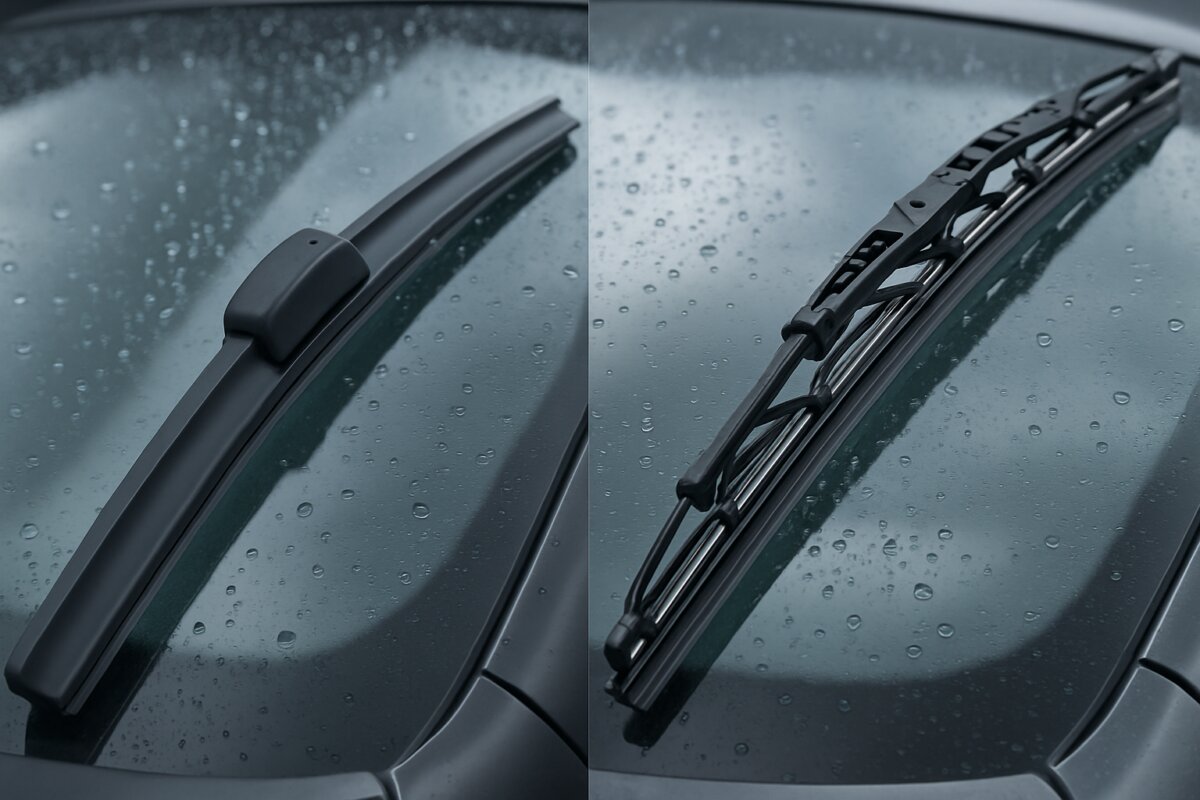
When choosing between Bosch Aerotwin and Bosch AeroFit, the decision boils down to technology and budget. Aerotwin represents Bosch’s premium bracket-free beam blade design with a sleek aerodynamic profile, offering superior wiping performance and durability, typically priced between £25-£45 per blade. AeroFit, on the other hand, is Bosch’s more economical conventional bracket-style wiper blade, retailing at £12-£20 per blade, providing reliable performance for drivers who prioritise value without sacrificing quality. Both deliver excellent visibility in British weather conditions, but your choice should depend on your vehicle’s requirements and driving habits.
Quick comparison table
| Feature | Bosch Aerotwin | Bosch AeroFit |
|---|---|---|
| Price Range | £25-£45 per blade | £12-£20 per blade |
| Design | Bracket-free beam blade | Traditional bracket system |
| Durability | 18-24 months | 12-18 months |
| Performance | Exceptional at high speeds | Reliable standard performance |
| Noise Level | Near-silent operation | Low noise, occasional chatter |
| Maintenance | Minimal | Moderate |
| Best Use Case | Premium vehicles, motorway driving | Daily commuting, budget-conscious |
Product #1 overview: Bosch Aerotwin
The Bosch Aerotwin represents a significant advancement in windscreen wipers technology. This premium wiper blade eliminates the traditional metal bracket structure entirely, replacing it with a spring-steel tensioning element encased within an aerodynamic rubber profile.
The absence of brackets means fewer moving parts that can freeze, corrode, or wear out. The blade applies pressure evenly across the entire length of the windscreen, creating consistent contact even on curved modern windscreens. This design proves particularly effective on vehicles with steeply raked glass.
Materials used in the Aerotwin construction include a dual-rubber compound. The outer layer provides UV resistance and weatherproofing, whilst the inner wiping edge contains natural rubber treated with graphite coating for smooth, streak-free operation. The supporting structure consists of precision-engineered spring steel that maintains optimal pressure distribution.
Installation couldn’t be simpler. Aerotwin blades feature Bosch’s QuickClip system, compatible with most modern attachment types including top-lock, side-pin, and bayonet fittings. The whole process takes under two minutes without tools.
Pros:
- Exceptional wiping performance in all weather conditions
- Aerodynamic design reduces wind lift at motorway speeds
- Extended service life of 18-24 months
- Virtually silent operation
- Sleek appearance enhances vehicle aesthetics
- Resistant to ice and snow build-up
Cons:
- Higher initial purchase cost
- Limited compatibility with older vehicle models
- May be overkill for vehicles rarely driven
Ideal drivers:
Aerotwin blades suit motorists who regularly cover long distances on motorways, where wind resistance becomes a factor. Owners of premium or performance vehicles will appreciate both the functionality and visual appeal. These blades work brilliantly for drivers in regions experiencing harsh winters, as the bracket-free design prevents ice accumulation that renders traditional blades useless.
Our mechanics at AutoPartsPro consistently recommend Aerotwin for customers who drive modern vehicles with curved windscreens, where the beam blade design provides superior contact compared to conventional alternatives.
Product #2 overview: Bosch AeroFit
Bosch AeroFit represents the manufacturer’s refined take on traditional wiper blade technology. This range employs a time-tested metal bracket system with multiple pressure points, delivering dependable performance at an accessible price point.
The AeroFit operates through a series of articulated brackets that distribute pressure along the blade length. Whilst not as sophisticated as beam blade technology, this proven design works effectively on most vehicles, particularly those with flatter windscreen profiles common in older models.
Construction involves a galvanised steel frame supporting a natural rubber wiping element. The rubber compound includes synthetic additives that enhance durability and temperature tolerance. The frame’s powder-coated finish provides corrosion resistance, extending operational life in the UK’s damp climate.
The AeroFit range uses Bosch’s standard hook fitting system, compatible with vehicles manufactured from the late 1990s onwards. Some variants include adaptor clips for alternative attachment methods. Fitting these blades requires basic mechanical competence and takes approximately five minutes per blade.
Pros:
- Competitive pricing makes replacement affordable
- Wide compatibility across vehicle makes and models
- Proven bracket design offers reliability
- Readily available from most automotive retailers
- Adequate performance for everyday driving
- Easy to source replacement parts
Cons:
- Shorter lifespan than premium alternatives
- Brackets can accumulate ice in winter
- Less effective at high speeds
- May develop chattering noise over time
- Pressure distribution less uniform on curved glass
Ideal drivers:
AeroFit blades perfectly suit drivers who primarily use their vehicles for urban commuting and short journeys. Budget-conscious motorists maintaining older vehicles will find these blades offer excellent value. They work well for second vehicles or cars that spend considerable time parked, where the cost of premium blades becomes harder to justify.
According to our specialists, AeroFit blades provide the sweet spot between economy and performance for customers maintaining vehicles over five years old, where the windscreen profile doesn’t demand advanced beam blade technology.
Compatibility (very important for parts ecommerce)
Understanding fitment represents the most critical aspect of wiper blade selection. The Bosch Aerotwin range generally suits vehicles manufactured from 2005 onwards, though this varies considerably between manufacturers. Modern vehicles with curved windscreens and original equipment beam blades are prime candidates for Aerotwin replacement.
Measure your existing blade length before purchasing. Common UK sizes range from 18 to 26 inches, with many vehicles requiring different lengths for driver and passenger sides. Check your vehicle handbook or measure the existing rubber element from end to end.
The AeroFit catalogue covers a broader spectrum of vehicles, particularly models from the 1990s and early 2000s. If your car originally came equipped with traditional bracket-style blades, AeroFit provides a direct replacement that matches OEM specifications.
Model year considerations matter significantly. Vehicles manufactured before 2000 typically use hook-type connectors, which both ranges accommodate with appropriate adaptors. Post-2005 vehicles might feature specialised attachment systems requiring specific Aerotwin variants.
OEM specifications often indicate whether beam or bracket blades suit your vehicle. Consult your owner’s manual or check the manufacturer’s parts catalogue. Some vehicles specify blade design as part of aerodynamic engineering, meaning beam blades deliver measurable efficiency improvements.
Installation notes vary between ranges. Aerotwin blades incorporate multi-clip adaptors within the packaging, covering most attachment types. Remove the old blade by pressing the release tab and sliding away from the wiper arm. The new blade clips into position with an audible click. AeroFit installation follows similar principles but may require selecting the correct adaptor from the package.
Pay attention to windshield washer pump performance when upgrading blades. New, efficient wipers often reveal marginal washer system performance that seemed adequate with worn blades. Similarly, inspect the wiper motor and wiper linkage for wear, as these components affect blade performance regardless of quality.
Some premium vehicles incorporate heated wiper parking areas or automatic rain sensors. Verify that replacement blades don’t interfere with these systems. The Aerotwin’s low-profile design typically works seamlessly with such features, whilst bulkier AeroFit brackets occasionally require clearance checks.
Performance comparison in real-world conditions
British weather demands wiper blades that handle everything from light drizzle to torrential downpours, often within the same journey. The Aerotwin excels across this spectrum, maintaining consistent pressure that prevents water sheeting even during motorway driving in heavy rain.
During winter months, the bracket-free Aerotwin design prevents ice accumulation between pressure points, a common failure mode for traditional blades. The AeroFit can struggle when temperatures drop below freezing, as moisture freezes within the bracket assembly, reducing flexibility and contact pressure.
Wind noise becomes noticeable with conventional blades above 60mph. The Aerotwin’s streamlined profile generates minimal turbulence, contributing to cabin quietness. AeroFit blades produce acceptable noise levels at legal speeds but can develop a distinctive flutter at motorway velocities.
Longevity testing reveals significant differences. Aerotwin blades typically maintain effective wiping for 18-24 months under normal use. The graphite-coated rubber resists UV degradation and ozone cracking. AeroFit blades deliver 12-18 months of reliable service before the rubber hardens and brackets show corrosion.
Streak-free operation depends on blade-to-glass contact uniformity. The Aerotwin’s continuous spring steel support adapts to windscreen curvature more effectively than AeroFit’s discrete pressure points. This difference becomes pronounced on vehicles with significant windscreen rake or compound curves.
Maintenance and care considerations
Regular maintenance extends wiper blade life regardless of type. Clean the rubber wiping edge monthly using a damp cloth and mild detergent. This removes accumulated road film and tree sap that cause streaking. Inspect the windscreen washer jet alignment simultaneously, as poorly directed spray forces blades to work harder.
Lift blades away from the windscreen during freezing conditions to prevent the rubber bonding to glass. Both Aerotwin and AeroFit benefit from this practice, though the bracket-free design makes Aerotwin more resilient to ice damage. Check your windscreen washer reservoir contains appropriate screenwash concentration for winter conditions.
The wiper arm spring tension affects blade performance. Worn springs reduce contact pressure, causing blades to skip across the glass. Test tension by pulling the arm away from the windscreen; it should return firmly when released. Replace weak arms before fitting new premium blades.
Cost analysis over time
Initial outlay differs substantially between these products. A pair of Aerotwin blades costs approximately £50-£90 depending on size, whilst AeroFit pairs retail around £24-£40. However, extended Aerotwin service life narrows this gap considerably over two years.
Calculate annual cost by dividing purchase price by expected lifespan. Aerotwin works out around £25-£45 annually, whilst AeroFit costs £16-£27 per year. The difference diminishes when factoring replacement frequency and potential MOT advisory notices for ineffective wipers.
Consider convenience costs too. Replacing blades twice yearly (AeroFit) versus annually (Aerotwin) represents additional time investment. For drivers valuing convenience, the premium option delivers genuine value beyond pure performance.
Environmental considerations
Wiper blade disposal creates environmental impact through rubber and metal waste. Longer-lasting Aerotwin blades reduce replacement frequency, generating less waste over equivalent periods. The bracket-free design also means less metal enters waste streams.
Both ranges use recyclable materials, though separating rubber from metal components requires effort. Some councils accept wiper blades in household recycling if components are separated. Otherwise, automotive retailers often collect used blades for proper disposal.
Manufacturing energy considerations favour products requiring less frequent replacement. Producing one Aerotwin blade versus two AeroFit blades over the same period represents a measurable environmental advantage, though transportation and packaging impact should also factor into sustainability calculations.
Final verdict (buying recommendation)
For drivers covering significant motorway miles in modern vehicles, Bosch Aerotwin delivers exceptional value despite higher upfront costs. The superior performance, extended lifespan, and reduced wind noise justify the premium. Vehicles manufactured after 2010 with curved windscreens particularly benefit from beam blade technology.
Choose Bosch AeroFit if you’re maintaining an older vehicle primarily used for urban driving. The proven bracket design offers reliable performance at a price point that makes regular replacement economically sensible. Second cars, commercial vehicles, and older models with flatter windscreens represent ideal AeroFit applications.
Budget-conscious drivers should consider Aerotwin’s total cost of ownership rather than initial price. The extended service interval often makes premium blades more economical long-term. However, if upfront expenditure presents constraints, AeroFit delivers perfectly adequate performance that won’t compromise safety.
Performance enthusiasts and drivers prioritising vehicle maintenance excellence should default to Aerotwin. The tangible improvements in visibility, noise reduction, and durability align with broader vehicle care standards. Pairing quality blades with regular cabin filter replacement and proper light bulbs maintenance creates a comprehensive visibility system.
Frequently asked questions
Can I fit Aerotwin blades to any vehicle?
Aerotwin compatibility depends on windscreen curvature and attachment type. Vehicles manufactured after 2005 with curved glass typically accept Aerotwin blades. Check your owner’s manual or measure existing blade attachment points before purchasing.
How often should I replace wiper blades?
Replace blades when they streak, chatter, or fail to clear water effectively. Aerotwin blades typically last 18-24 months, whilst AeroFit blades need replacement after 12-18 months. Harsh winter conditions may accelerate wear for both types.
Do premium wiper blades improve MOT test results?
Effective wipers are examined during MOT testing. Poor blade performance can result in advisory notices or failures if visibility is compromised. Quality blades like Aerotwin ensure consistent performance, reducing MOT-related concerns significantly.
Why do my new wiper blades judder across the windscreen?
Juddering usually indicates contaminated glass rather than blade defects. Clean your windscreen thoroughly with glass cleaner and ensure proper screenwash concentration. Also check wiper arm tension, as weak springs cause skipping regardless of blade quality.
Are Bosch blades worth the premium over supermarket alternatives?
Bosch engineering delivers measurably superior performance and longevity compared to budget alternatives. The precision rubber compounds, quality control standards, and proven designs justify costs for safety-conscious drivers prioritising reliable visibility in British weather conditions.

 Loading...