The Volkswagen Tiguan remains one of Britain’s most popular compact SUVs, offering excellent build quality and practical family transport. However, like any vehicle, the VW Tiguan problems can manifest over time, particularly in high-mileage examples. Understanding these common issues helps owners maintain their vehicles properly and avoid costly surprises.
DSG gearbox failures
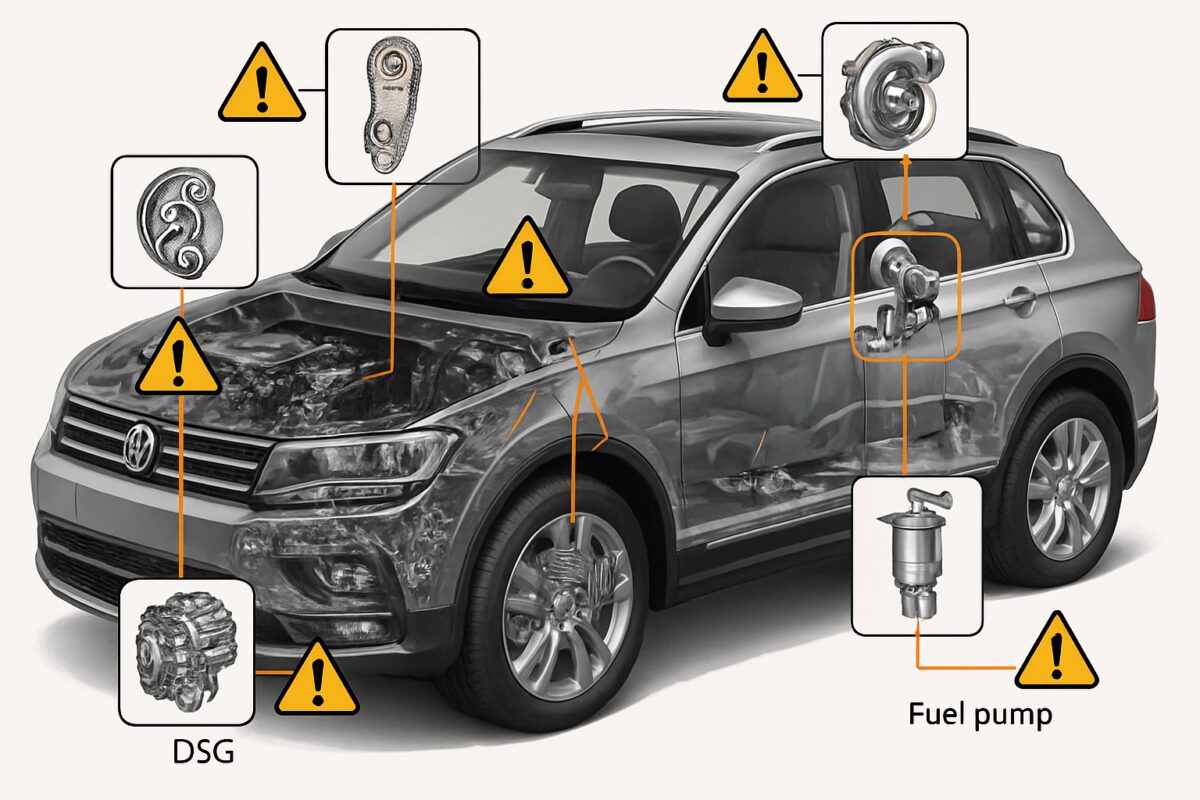
The dual-clutch DSG transmission represents one of the most significant VW Tiguan problems across multiple model years. This sophisticated gearbox system, whilst offering smooth gear changes when functioning correctly, suffers from several recurring issues that can prove expensive to resolve.
Early symptoms include jerky gear changes, particularly when pulling away from traffic lights or during low-speed manoeuvres. Many owners report a characteristic shuddering sensation when the vehicle transitions between first and second gear. The problem typically worsens over time, eventually leading to complete transmission failure if left unaddressed.
The root cause often stems from worn clutch packs within the DSG mechatronic unit. These components experience excessive wear due to design limitations and inadequate servicing intervals. Volkswagen initially recommended longer service intervals for the DSG system, but later revised these recommendations after widespread failures became apparent.
“Regular DSG servicing every 40,000 miles can prevent many costly transmission repairs. Don’t wait for symptoms to appear – prevention is always cheaper than cure.”
Timing chain tensioner issues
The timing chain tensioner problems affect numerous VW Tiguan engines, particularly the 1.4 TSI and 2.0 TSI petrol units. This critical component maintains proper timing chain tension, ensuring precise valve timing throughout the engine’s operation cycle. When the tensioner fails, catastrophic engine damage often follows.
Owners typically first notice a distinctive rattling noise from the engine bay, especially during cold starts. This metallic rattling sound indicates the timing chain has developed excessive slack, allowing it to slap against the engine casing. The noise may initially disappear once the engine warms up, but this temporary relief shouldn’t provide false comfort.
Progressive timing chain stretch leads to incorrect valve timing, reducing engine performance and increasing fuel consumption. In severe cases, the chain can jump teeth on the sprockets or even snap completely, causing extensive internal engine damage including bent valves and damaged pistons. Professional mechanics recommend immediate attention when timing chain noise becomes apparent.
The problem primarily affects engines produced between 2008 and 2016, with Volkswagen issuing several technical bulletins addressing the issue. Replacement involves significant labour costs, as the entire front of the engine must be dismantled to access the timing components.
Turbocharger failures
Turbocharger problems plague many VW Tiguan models equipped with TSI engines, creating performance issues and expensive repair bills. The turbocharger system enhances engine performance by forcing additional air into the combustion chambers, but this high-stress component proves vulnerable to several failure modes.
Common symptoms include loss of power, excessive blue or black exhaust smoke, and unusual whistling noises from the engine bay. The turbocharger’s oil supply system frequently becomes contaminated, leading to bearing failure and complete turbo seizure. Many failures result from inadequate oil changes or using incorrect oil specifications.
The variable geometry turbocharger (VGT) system, used in some diesel variants, suffers from carbon buildup in the variable vanes. This accumulation prevents proper vane movement, reducing turbo efficiency and triggering dashboard warning lights. Regular maintenance using quality engine oil helps prevent premature turbocharger wear.
High-pressure fuel pump problems
The high-pressure fuel pump failures represent another recurring issue across VW Tiguan model ranges. This component maintains the extreme fuel pressures required for modern direct injection engines, typically operating at pressures exceeding 200 bar.
Early warning signs include rough idling, hesitation during acceleration, and difficulty starting the engine. The fuel pump’s mechanical components experience significant stress, leading to internal wear and eventual failure. Metal particles from worn pump components can contaminate the entire fuel system, requiring expensive cleaning procedures.
The problem affects both petrol and diesel variants, though the failure patterns differ slightly. Petrol engines typically experience sudden pump failure, whilst diesel versions often show gradual performance degradation. Replacement costs remain substantial due to the pump’s location within the engine bay and the precision required during installation.
Warning signs your car has a problem
Recognising early warning signs helps prevent minor issues from developing into major failures. These symptoms indicate potential problems requiring professional diagnosis:
- Unusual noises from the engine bay, particularly rattling during cold starts
- Jerky or hesitant gear changes in DSG-equipped models
- Loss of power or reduced acceleration performance
- Excessive exhaust smoke in any colour
- Dashboard warning lights, especially engine management or transmission warnings
- Unusual vibrations through the steering wheel or pedals
- Difficulty starting the engine, particularly when warm
- Increased fuel consumption without obvious cause
How to fix the problems
Addressing VW Tiguan problems requires systematic diagnosis and appropriate repair strategies. The following table outlines common issues and their typical solutions:
| Problem | Typical Solution | Estimated Cost | Prevention |
|---|---|---|---|
| DSG gearbox failure | Mechatronic unit replacement or rebuild | £2,000-£4,000 | Regular DSG servicing every 40,000 miles |
| Timing chain tensioner | Complete timing chain kit replacement | £1,500-£2,500 | Regular oil changes using correct specification |
| Turbocharger failure | Turbo rebuild or replacement | £1,200-£2,000 | Quality oil changes and proper warm-up procedures |
| High-pressure fuel pump | Pump replacement and system cleaning | £800-£1,500 | Use quality fuel and regular fuel filter changes |
Professional repair strategies vary depending on the specific problem and vehicle condition. OEM parts typically provide the best long-term reliability, though quality aftermarket alternatives can offer cost savings. Always ensure repairs use components meeting or exceeding original specifications.
“Invest in quality diagnostics before authorising expensive repairs. Many VW Tiguan problems have multiple potential causes, and accurate diagnosis prevents unnecessary work.”
When to see a mechanic
Certain symptoms demand immediate professional attention to prevent extensive damage. Schedule an urgent appointment when experiencing complete loss of power, unusual grinding noises, or any dashboard warning lights. The complexity of modern VW Tiguan systems requires specialist diagnostic equipment for accurate fault identification.
Regular servicing intervals provide opportunities for early problem detection. Professional mechanics can identify developing issues before they cause major failures. Consider more frequent inspections for high-mileage vehicles or those showing early warning signs.
Choose technicians familiar with VAG group vehicles, as they possess the specialist knowledge required for complex repairs. Independent specialists often provide excellent service at competitive rates, whilst maintaining dealership-quality standards. Ensure any garage has access to appropriate diagnostic equipment and genuine or quality aftermarket parts.
Frequently asked questions (FAQ)
What are the most common VW Tiguan problems?
DSG gearbox failures, timing chain tensioner issues, turbocharger problems, and high-pressure fuel pump failures represent the most frequently reported problems across VW Tiguan model ranges.
How much does DSG gearbox repair cost?
DSG gearbox repairs typically cost between £2,000-£4,000 depending on the extent of damage and whether rebuild or replacement is required for the mechatronic unit.
Can I prevent VW Tiguan timing chain problems?
Regular oil changes using correct specification oil helps prevent timing chain stretch. Follow manufacturer service intervals and address any engine rattling noises immediately to avoid catastrophic failure.
Are VW Tiguan turbo problems expensive to fix?
Turbocharger repairs range from £1,200-£2,000 including labour costs. Prevention through quality oil maintenance and proper engine warm-up procedures helps avoid premature turbo failure in most cases.
Should I buy a high-mileage VW Tiguan?
High-mileage examples require careful inspection of known problem areas. Budget for potential repairs and ensure comprehensive service history documentation before purchasing any used VW Tiguan vehicle.
Final recommendation
The VW Tiguan remains a capable family SUV despite its known problems. Understanding these common issues empowers owners to make informed maintenance decisions and budget appropriately for potential repairs. Regular servicing using quality components significantly reduces the likelihood of major failures.
Our AutoPartsPro specialists recommend proactive maintenance over reactive repairs. Regular maintenance schedules help identify problems early, when repairs remain manageable and affordable. Consider extended warranty coverage for older vehicles approaching the typical failure mileages for major components.
When problems do occur, prompt professional attention prevents minor issues from escalating into expensive major repairs. The VW Tiguan’s sophisticated systems reward careful maintenance with reliable long-term service, making it worthwhile for owners who understand and address its particular requirements.

 Loading...