The Dacia Dokker has earned a reputation as an affordable family van, but like any vehicle, it comes with its share of mechanical issues. Understanding these problems before they escalate can save you hundreds of pounds in repair costs and ensure your Dokker remains reliable for years to come.
Engine cooling system failures
The Dokker’s cooling system presents one of the most frequent headaches for owners. The thermostat tends to stick closed, causing overheating within the first 50,000 miles. This component regulates coolant flow between the engine and radiator.
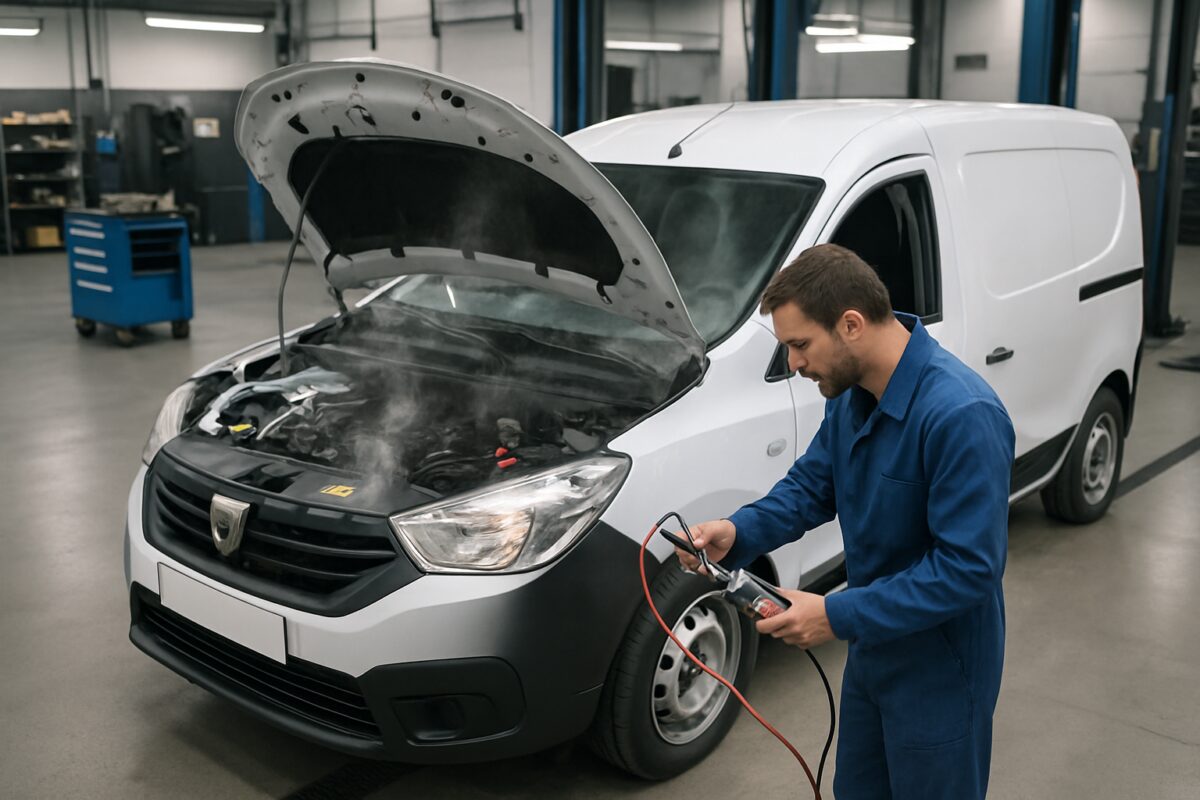
Water pump failures occur commonly around 60,000-80,000 miles. The impeller corrodes or the bearing seizes, leading to coolant leaks and potential engine damage. Many owners report steam from the bonnet and sweet-smelling coolant puddles beneath their vehicles.
The expansion tank cracks frequently due to pressure cycling. This plastic component becomes brittle over time, especially in extreme temperatures. A cracked tank causes coolant loss and air pockets in the system.
“Always check coolant levels weekly during winter months. Temperature fluctuations stress the cooling system components significantly,” advises AutoPartsPro’s senior technician.
Radiator hose deterioration creates another cooling issue. The rubber compounds degrade, causing splits near the clamps. These failures typically happen without warning, leaving drivers stranded with an overheated engine.
Electrical system malfunctions
Dacia Dokker owners frequently encounter alternator problems, particularly with the voltage regulator. The charging system fails to maintain proper battery voltage, causing dim lights and starting difficulties. Most failures occur between 40,000-70,000 miles.
Window mechanism failures plague both front and rear doors. The electric motors burn out, or the cables snap inside the door panels. Replacement costs often exceed £200 per door, making this a costly inconvenience.
Central locking systems develop intermittent faults. Door actuators seize or the control module corrupts, preventing remote locking operation. Some owners report being locked out of their vehicles unexpectedly.
The battery drains mysteriously on many Dokkers. Parasitic draws from faulty modules or poor earth connections cause overnight battery depletion. Identifying the source requires systematic electrical testing.
Gearbox and clutch complications
Manual gearboxes in Dokkers suffer from synchroniser wear, especially on second and third gears. Drivers notice crunching sounds during gear changes and difficulty engaging gears when cold. This problem worsens gradually over time.
Clutch release bearings fail prematurely, creating squealing noises when the pedal is pressed. The bearing seizes or wears excessively, requiring complete clutch replacement. Most failures happen around 60,000 miles.
Dual-mass flywheels develop rattling noises at idle. This expensive component absorbs engine vibrations but deteriorates under normal use. Replacement costs often exceed £800 including labour.
Gear linkage bushes wear rapidly, causing imprecise gear selection. The plastic components deteriorate from heat and movement, making gear changes feel sloppy or vague.
Suspension and steering defects
Front shock absorbers leak oil frequently on Dokkers. The seals fail due to road salt corrosion and constant compression cycles. Leaking dampers reduce handling quality and cause uneven tyre wear.
Lower ball joints wear prematurely, creating knocking sounds over bumps. These safety-critical components fail MOT tests when excessive play develops. Replacement requires special tools and wheel alignment.
Steering rack boots split regularly, allowing dirt and moisture into the mechanism. This contamination causes premature rack wear and expensive repairs. Early replacement of split boots prevents costly damage.
“Inspect ball joint boots during every service. Early detection prevents complete joint replacement and maintains vehicle safety,” recommends our suspension specialist.
Anti-roll bar drop links snap under stress. These connecting rods fail at the ball joint ends, creating rattling noises over uneven surfaces. The failure rate increases significantly after 50,000 miles.
Warning signs your car has a problem
Recognising early symptoms prevents minor issues from becoming expensive repairs. Watch for these telltale signs:
- Steam or sweet smells from the engine bay indicating cooling system leaks
- Grinding or crunching sounds during gear changes suggesting transmission wear
- Knocking noises from the front wheels pointing to suspension component failure
- Dim headlights or flickering dashboard lights revealing charging system problems
- Unusual vibrations through the steering wheel indicating wheel bearing or brake issues
Temperature gauge fluctuations signal cooling system problems. The needle shouldn’t move significantly during normal driving conditions. Rapid temperature rises require immediate attention to prevent engine damage.
Unusual exhaust smoke colours indicate internal engine problems. Blue smoke suggests oil burning, while white smoke points to coolant leaks into combustion chambers.
How to fix the problems
| Problem | DIY Difficulty | Estimated Cost | Time Required |
|---|---|---|---|
| Thermostat replacement | Moderate | £25-45 | 2-3 hours |
| Water pump replacement | Difficult | £80-150 | 4-6 hours |
| Alternator replacement | Moderate | £120-200 | 2-3 hours |
| Clutch replacement | Very difficult | £300-500 | 6-8 hours |
| Shock absorber replacement | Moderate | £60-120 per pair | 2-4 hours |
Many repairs require specific tools and experience. Regular maintenance prevents most problems from developing. Follow the manufacturer’s service schedule religiously.
Quality replacement parts matter significantly. Cheap alternatives often fail prematurely, creating repeat repairs and additional costs. Invest in reputable brands for critical components like brake pads and suspension parts.
| Maintenance Task | Frequency | Importance | Cost Prevention |
|---|---|---|---|
| Coolant system flush | Every 4 years | High | Prevents £800+ engine repairs |
| Gearbox oil change | Every 40,000 miles | Medium | Extends transmission life by 50% |
| Suspension inspection | Every 12 months | High | Prevents MOT failures and safety issues |
| Electrical system check | Every 24 months | Medium | Avoids breakdown and component damage |
When to see a mechanic
Professional diagnosis becomes essential when multiple symptoms appear simultaneously. Complex electrical problems require specialised diagnostic equipment beyond basic DIY tools. Don’t delay professional help when safety-critical systems like brakes or steering show problems.
Engine overheating demands immediate professional attention. Continued driving with high temperatures causes irreversible damage costing thousands of pounds. Stop driving immediately when the temperature gauge enters the red zone.
Transmission problems worsen rapidly without intervention. Strange noises, slipping, or difficulty engaging gears require expert assessment. Early professional diagnosis often prevents complete gearbox replacement.
Annual MOT preparation inspections identify developing problems before they cause test failures. Professional mechanics spot worn components that untrained eyes miss.
Frequently Asked Questions (FAQ)
How reliable is the Dacia Dokker overall?
The Dokker offers decent reliability for its price point, with most issues being manageable through proper maintenance and early intervention.
What’s the most expensive problem to fix on a Dokker?
Engine replacement due to overheating damage tops the cost list at £3000-5000, making cooling system maintenance absolutely critical.
Can I prevent most Dokker problems through regular servicing?
Yes, following manufacturer service schedules and addressing minor issues early prevents approximately 70% of major component failures.
Which Dokker model years have the most problems?
Early 2012-2014 models show higher failure rates, particularly with cooling systems and electrical components requiring more frequent attention.
Are Dacia Dokker parts expensive to replace?
Parts costs remain reasonable compared to premium brands, though genuine components offer better longevity than cheap alternatives.
Final recommendation
The Dacia Dokker presents a practical, affordable option for families needing space and versatility. However, success with this vehicle depends heavily on proactive maintenance and early problem recognition. Budget for regular servicing and don’t ignore warning signs.
Focus particularly on the cooling system, as overheating causes the most expensive damage. Regular coolant changes and thermostat inspections prevent costly engine repairs. Similarly, addressing electrical issues early prevents cascading failures affecting multiple systems.
For DIY enthusiasts, the Dokker offers reasonable accessibility for basic maintenance tasks. However, complex repairs require professional expertise and proper tools. Building a relationship with a trusted mechanic familiar with Dacia vehicles pays dividends in the long term. With proper care, your Dokker can provide reliable service for many years, making it an excellent value proposition in the budget van market.

 Loading...