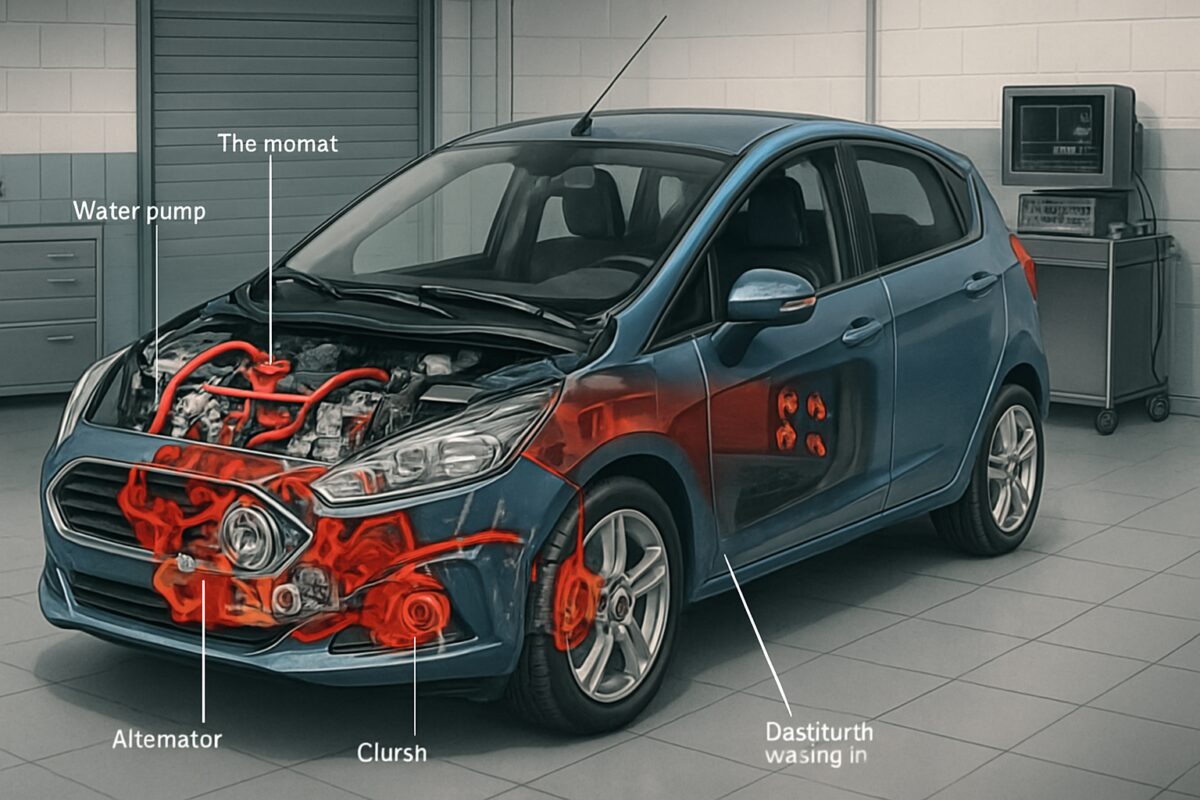
The Ford Fiesta has been a popular choice amongst British drivers for decades, but like any vehicle, it can develop several common issues over time. Understanding these problems with the Ford Fiesta helps owners recognise symptoms early and address them before costly repairs become necessary. Our experienced mechanics at AutoPartsPro have identified the most frequent faults affecting this supermini.
Engine overheating issues
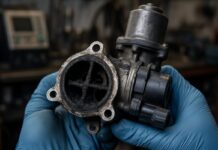
One of the most concerning problems with the Ford Fiesta involves the cooling system. Many owners report their engines running hot, particularly in older models from 2008-2013. This typically stems from a faulty radiator thermostat that fails to regulate coolant flow properly.
The issue often begins with small temperature spikes during heavy traffic or hot weather. As the thermostat deteriorates, it may stick closed, preventing coolant circulation. This forces the engine to work harder and generates excessive heat that can warp cylinder heads or damage head gasket components.
Water pump failure represents another culprit behind overheating problems. The water pump circulates coolant throughout the system, and when it fails, coolant stops flowing effectively. This mechanical component typically shows wear around 80,000 miles, though harsh driving conditions can accelerate deterioration.
Check your coolant levels weekly and watch for any unusual temperature gauge readings. Early detection prevents expensive engine damage.
Electrical system malfunctions
Ford Fiesta models frequently experience electrical gremlins that frustrate owners. The most common issue involves the alternator regulator failing to maintain proper charging voltage. This causes the battery to drain unexpectedly, leaving drivers stranded.
Dashboard warning lights often illuminate randomly due to faulty sensors sending incorrect signals to the engine control unit. The ABS warning light proves particularly troublesome, usually indicating problems with the ABS sensor or related wiring.
Power window mechanisms represent another electrical weak point. The window mechanism motors burn out frequently, especially on the driver’s side due to heavy use. This leaves windows stuck in awkward positions, creating security and weather protection concerns.
Central locking systems also experience regular failures. The central locking system actuators wear out over time, causing doors to lock or unlock randomly. This electronic fault affects vehicle security and can be particularly annoying during daily use.
Transmission and clutch problems
Manual transmission Fiestas commonly develop clutch-related issues around 60,000-80,000 miles. The clutch plate experiences gradual wear, leading to slipping during acceleration or difficulty engaging gears smoothly.
Clutch pedal problems also plague many owners. The hydraulic system relies on the clutch master cylinder to provide adequate pressure for gear changes. When this component fails, the pedal feels spongy or travels to the floor without engaging the clutch properly.
Automatic transmission models face their own challenges. The PowerShift dual-clutch system introduced in 2009 models proved problematic, with many units experiencing shuddering, harsh shifts, or complete failure. These transmissions require specific automatic transmission fluid and regular servicing to maintain proper operation.
Listen for unusual noises when changing gears and address clutch slip immediately. Delaying repairs increases replacement costs significantly.
Warning signs your car has a problem
Recognising early warning signs prevents minor issues from becoming major expenses. Our AutoPartsPro specialists recommend monitoring these key indicators:
- Temperature gauge reading higher than normal during routine driving
- Dashboard warning lights illuminating intermittently or permanently
- Unusual noises when starting, accelerating, or braking
- Difficulty engaging gears or clutch pedal feeling different
- Electrical components functioning inconsistently
- Visible fluid leaks under the vehicle after parking
- Reduced fuel economy without explanation
- Vibrations through steering wheel or pedals
How to fix the problems
Addressing Ford Fiesta issues requires systematic diagnosis and quality replacement parts. Here’s a comprehensive repair guide:
| Problem | Solution | Approximate Cost | Difficulty Level |
|---|---|---|---|
| Engine overheating | Replace thermostat and coolant | £80-150 | Moderate |
| Alternator failure | Install new alternator unit | £200-350 | Moderate |
| Clutch slip | Replace complete clutch kit | £300-500 | Advanced |
| ABS warning light | Replace faulty ABS sensor | £50-120 | Easy |
| Window failure | Replace window motor | £100-200 | Moderate |
Essential maintenance steps include regular oil filter changes every 6,000 miles and checking fluid levels monthly. The air filter requires replacement annually to maintain proper engine breathing and fuel efficiency.
When to see a mechanic
Certain symptoms demand immediate professional attention to prevent catastrophic damage. Visit a qualified technician when experiencing engine overheating, complete electrical failure, or transmission problems. These complex systems require diagnostic equipment and specialist knowledge.
Professional diagnosis becomes essential when multiple warning lights illuminate simultaneously. Modern vehicles rely on interconnected systems, and seemingly unrelated faults often share common causes. Our AutoPartsPro mechanics use advanced diagnostic tools to identify root causes efficiently.
Transmission issues warrant immediate professional assessment. The PowerShift system requires specific expertise and software updates that only authorised technicians can perform. Attempting DIY repairs on complex transmission components often worsens existing problems.
- Seek immediate help for engine overheating or coolant loss
- Professional diagnosis for multiple electrical faults
- Transmission problems require specialist attention
- Brake system issues demand urgent professional repair
- Steering problems affect vehicle safety significantly
Frequently asked questions (FAQ)
What are the most common Ford Fiesta engine problems?
Overheating due to thermostat failure and timing belt issues represent the most frequent engine problems in Ford Fiesta models.
How much does it cost to fix a Ford Fiesta clutch?
Complete clutch replacement typically costs between £300-500 including parts and labour, depending on your specific model year and location.
Why does my Ford Fiesta have electrical issues?
Common electrical problems stem from faulty alternators, worn sensor connections, or failing control modules affecting various vehicle systems simultaneously.
How often should I service my Ford Fiesta?
Ford recommends 12-month or 12,500-mile service intervals, though severe driving conditions may require more frequent maintenance for optimal reliability.
Is the Ford Fiesta PowerShift transmission reliable?
The PowerShift system has known reliability issues, particularly in early models, requiring regular maintenance and potential software updates.
Final recommendation
The Ford Fiesta remains a practical choice for British motorists despite these common issues. Regular maintenance using quality components significantly reduces problem frequency and severity. Our AutoPartsPro specialists recommend establishing a preventive maintenance schedule rather than waiting for failures.
Most Fiesta problems respond well to early intervention and proper repairs. Investing in genuine or OEM-equivalent parts ensures longevity and reliability. The key lies in recognising warning signs promptly and addressing issues before they escalate.
While these problems might seem daunting, the Fiesta’s widespread availability of affordable parts makes repairs economical. With proper care and timely maintenance, your Ford Fiesta can provide reliable service for many years.

 Loading...