The Volvo V60 stands out as a premium estate that combines Scandinavian elegance with practical functionality. However, like any sophisticated vehicle, certain problems with the Volvo V60 can emerge over time. Understanding these common issues helps owners maintain their vehicle properly and address concerns before they become costly repairs.
## Electrical system malfunctions
Electrical gremlins plague many V60 owners, particularly in models from 2011-2016. The central electronic module (CEM) frequently develops faults, causing various systems to behave erratically. Dashboard warning lights illuminate without apparent cause, whilst electric windows operate sporadically.
The battery drain becomes a persistent issue when the CEM malfunctions. Owners often discover their vehicle won’t start after being parked overnight. This problem typically stems from faulty software or corroded connections within the module itself.
Control units throughout the vehicle can also fail independently. The climate control system stops responding to inputs, or the infotainment system freezes during operation. These electronic failures often require complete module replacement rather than simple repairs.
The charging system presents additional challenges. Alternator failures occur prematurely, leaving drivers stranded with dead batteries. Warning signs include dimming headlights, electrical accessories losing power, or the charging light appearing on the dashboard.
## Engine performance issues
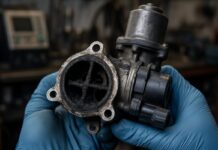
Volvo’s Drive-E engines, whilst efficient, suffer from specific mechanical problems that affect daily driving. The most common complaint involves rough idling and poor acceleration, particularly in diesel variants. Carbon build-up accumulates on intake valves, reducing engine efficiency and causing hesitation during acceleration.
Turbocharger problems plague both petrol and diesel engines. The turbocharger wastegate actuator fails frequently, resulting in reduced power output and increased fuel consumption. Owners notice sluggish performance, especially when overtaking or climbing hills.
Fuel pump failures create intermittent starting problems. The high-pressure pump struggles to maintain adequate pressure, causing the engine to stumble or stall unexpectedly. This issue particularly affects vehicles with higher mileage or those using lower-quality fuel.
Cooling system components deteriorate faster than expected. The water pump develops leaks, whilst radiator thermostats stick in closed positions. Engine overheating becomes a real concern during summer months or extended motorway driving.
## Transmission complications
The eight-speed automatic gearbox exhibits several troublesome characteristics that frustrate many V60 owners. Harsh shifting occurs during cold weather, particularly when moving from first to second gear. The transmission control module requires software updates to address these shifting irregularities.
Clutch pack wear affects models with higher mileage, causing slipping between gears. Drivers experience delayed engagement when accelerating from standstill, whilst the transmission struggles to find the appropriate gear ratio during normal driving conditions.
Manual transmission variants face clutch-related problems. The clutch master cylinder develops internal leaks, making gear selection difficult. The clutch pedal feels spongy, requiring excessive pressure to engage properly.
Automatic transmission fluid contamination accelerates wear throughout the gearbox. Volvo’s sealed transmission design makes regular fluid changes challenging, leading to premature component failure when maintenance intervals are extended.
## Suspension and steering concerns
The V60’s sophisticated suspension system develops predictable wear patterns that affect ride quality and handling precision. Front shock absorbers lose damping effectiveness around 60,000 miles, creating a bouncy ride quality over uneven road surfaces.
Steering components wear prematurely due to the vehicle’s weight distribution. Tie rod ends develop excessive play, causing wandering steering and uneven tyre wear patterns. Regular alignment checks become essential to prevent premature tyre replacement.
Sway bar bushings deteriorate quickly, producing clunking noises over bumps and during cornering. The rubber compounds used in these components struggle with British weather conditions, requiring replacement more frequently than expected.
Electronic power steering systems occasionally fail completely, leaving drivers with heavy steering effort. The steering assistance motor overheats during parking manoeuvres, triggering warning messages and reduced assistance levels.
## Warning signs your car has a problem
Recognising early symptoms helps prevent minor issues from becoming major repairs. Dashboard warning lights provide the first indication of developing problems, particularly the engine management light or transmission fault indicators.
Unusual noises during operation signal mechanical wear. Grinding sounds from the brakes, clicking from CV joints, or whining from the differential require immediate investigation. Ignoring these auditory warnings leads to expensive component failures.
Performance changes indicate internal problems. Reduced fuel economy, poor acceleration response, or difficulty starting suggest engine or fuel system issues. Transmission problems manifest through harsh shifts, delayed engagement, or unusual vibrations during gear changes.
## How to fix the problems
| Problem Area | Solution | Estimated Cost |
|————–|———-|—————-|
| Electrical faults | CEM replacement or software update | £300-£800 |
| Engine performance | Carbon cleaning, turbo repair | £200-£1,200 |
| Transmission issues | Fluid change, software update | £150-£2,000 |
| Suspension wear | Component replacement | £100-£600 per corner |
| Maintenance Task | Frequency | Importance |
|——————|———–|————|
| Software updates | As available | Critical |
| Transmission service | 60,000 miles | High |
| Cooling system flush | 4 years | Medium |
| Suspension inspection | Annual | High |
## When to see a mechanic
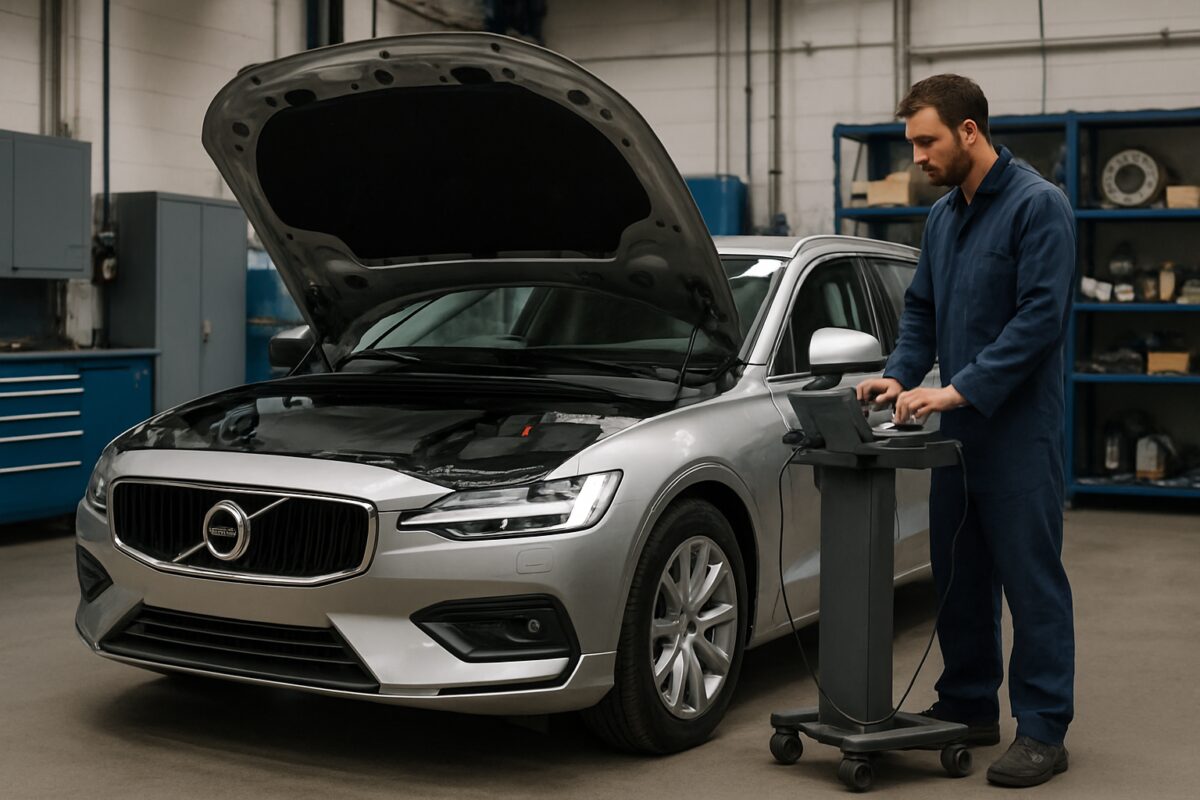
Immediate professional attention becomes necessary when warning lights illuminate on the dashboard. Modern Volvo diagnostic systems provide specific fault codes that trained technicians can interpret accurately. Attempting DIY repairs on complex electronic systems often creates additional problems.
Transmission issues require specialist knowledge and equipment. Automatic gearbox problems need immediate investigation to prevent complete failure. Manual transmission clutch problems similarly demand professional assessment to determine repair requirements.
> **Professional Tip:** Autopartspro’s certified Volvo specialists recommend addressing electrical faults immediately. Delayed repairs often cause cascading failures throughout interconnected systems.
Cooling system leaks warrant urgent attention during warmer months. Engine overheating causes permanent damage to cylinder heads and gaskets. Professional pressure testing identifies leak sources before catastrophic failure occurs.
> **Expert Advice:** According to our experienced technicians, regular software updates prevent many V60 problems. Volvo releases updates addressing known issues throughout each model year.
## Frequently asked questions
### What are the most common problems with Volvo V60?
Electrical faults, particularly CEM failures, affect most V60 models. Engine carbon build-up and transmission shifting issues also occur frequently across different model years.
### How much does Volvo V60 maintenance cost annually?
Expected annual maintenance costs range from £400-£800 for routine servicing. Major repairs like transmission or engine work can cost £1,000-£3,000 depending on required components.
### Is the Volvo V60 reliable long-term?
With proper maintenance, V60s provide reliable service beyond 100,000 miles. However, electrical system complexity requires specialist knowledge for troubleshooting and repairs.
### When should I replace my V60’s transmission fluid?
Despite Volvo’s “lifetime” fluid claims, changing transmission fluid every 60,000 miles significantly extends gearbox life and prevents costly failures.
### Are Volvo V60 parts expensive to replace?
Genuine Volvo components cost more than generic alternatives, but quality aftermarket parts from reputable suppliers offer excellent value whilst maintaining reliability standards.
## Final recommendation
The Volvo V60 remains an excellent choice for drivers seeking premium estate functionality, despite known issues. Regular maintenance prevents most problems, whilst early intervention minimises repair costs. Professional diagnostics identify developing faults before they cause roadside breakdowns.
Choosing quality replacement parts ensures long-term reliability. Autopartspro stocks genuine and OEM-equivalent components for all V60 systems, supporting both DIY enthusiasts and professional mechanics. Our technical support team provides guidance on part selection and installation procedures.
Investing in preventive maintenance, particularly software updates and transmission servicing, extends your V60’s service life significantly. Address warning signs promptly, maintain service intervals religiously, and your Volvo will provide years of dependable motoring pleasure throughout Britain’s challenging road conditions.

 Loading...