The VW Polo 6R diesel models, particularly those fitted with the 1.6 TDI engine, commonly experience EGR (Exhaust Gas Recirculation) valve problems that can cause significant performance issues. Our AutoPartsPro specialists have identified these faults as one of the most frequent concerns amongst UK Polo owners, with symptoms ranging from rough idling to complete engine failure if left untreated.
Carbon build-up in the EGR valve
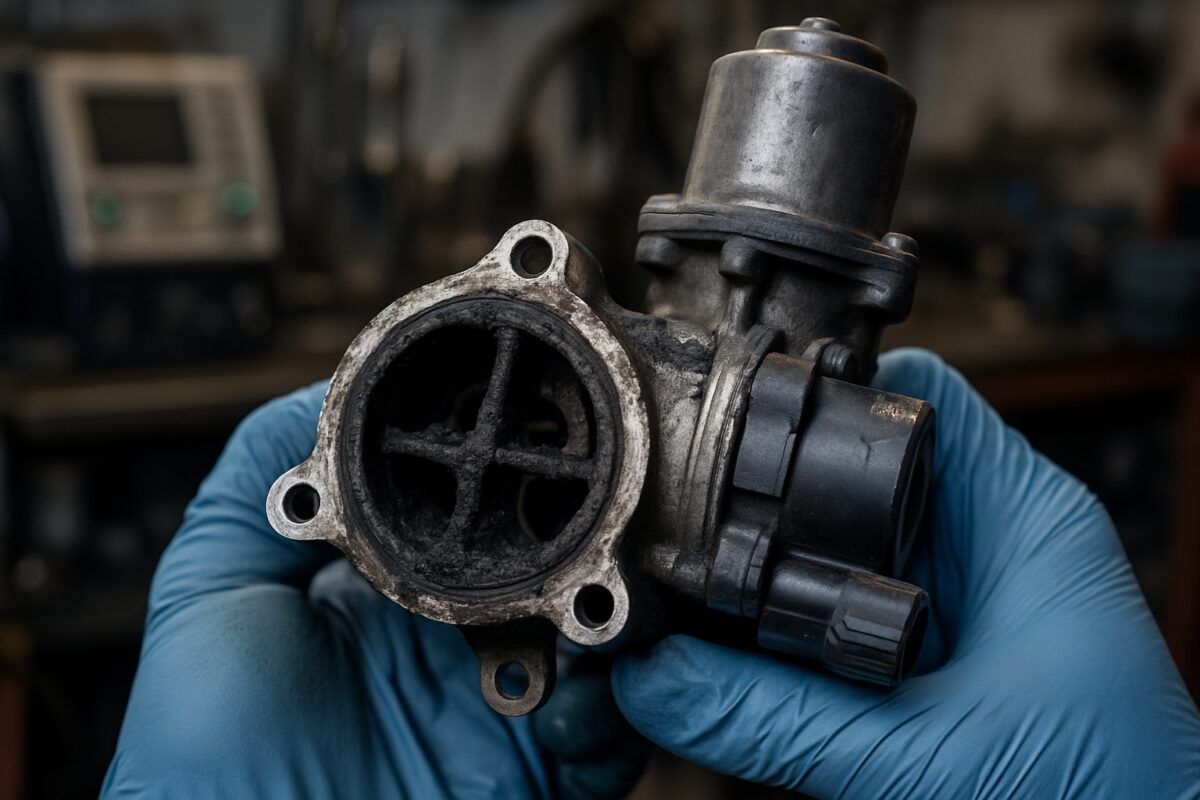
The most prevalent issue affecting VW Polo 6R diesel engines involves excessive carbon deposits accumulating within the EGR valve mechanism. This occurs when unburnt fuel particles and soot from the exhaust gases gradually coat the valve’s internal components.
Carbon build-up restricts the valve’s ability to open and close properly, leading to incorrect air-fuel mixture ratios. The engine management system struggles to compensate for these irregularities, resulting in poor fuel economy and increased emissions. Over time, the deposits harden and create permanent blockages.
Short journey driving patterns exacerbate this problem significantly. When the engine doesn’t reach optimal operating temperatures regularly, it cannot burn off these deposits naturally. Urban drivers particularly notice this issue, as their vehicles rarely achieve the sustained high temperatures needed for self-cleaning.
“Regular motorway driving helps prevent carbon build-up by allowing the engine to reach temperatures that naturally burn off deposits,” advises our lead technician at AutoPartsPro.
Faulty EGR valve actuator motor
The electronic actuator motor controlling the EGR valve frequently fails on Polo 6R models, particularly those manufactured between 2009 and 2014. This component operates the valve’s opening and closing mechanism, responding to signals from the engine control unit.
Motor failure symptoms include erratic valve operation, where the EGR opens or closes at inappropriate times. The engine may experience sudden power loss, especially during acceleration, as the valve fails to regulate exhaust gas flow correctly. Some vehicles enter limp mode to protect the engine from potential damage.
Electrical faults within the actuator circuit compound these problems. Corroded connections, damaged wiring, or internal motor failures prevent proper communication between the engine management system and the valve assembly. Diagnostic fault codes P0400 through P0409 typically appear when actuator problems occur.
Temperature extremes particularly affect actuator longevity. The component operates in harsh conditions, exposed to hot exhaust gases and engine bay heat cycles. Repeated expansion and contraction eventually cause internal failures, requiring complete actuator replacement.
EGR cooler deterioration
The EGR cooler, designed to reduce exhaust gas temperatures before recirculation, commonly develops leaks and blockages on VW Polo 6R diesel engines. This component uses engine coolant to lower exhaust gas temperatures, making the recirculated gases more suitable for combustion.
Internal coolant leaks represent the most serious cooler failure mode. When the cooler’s internal passages crack, coolant mixes with exhaust gases, creating white smoke from the exhaust. This contamination can cause severe engine damage if the coolant level drops significantly.
External cooler blockages occur when carbon deposits restrict the gas flow passages. The cooler becomes less effective at temperature reduction, causing the recirculated exhaust gases to enter the combustion chambers at higher temperatures. This leads to increased combustion temperatures and potential engine knock.
Cooler failure often coincides with head gasket problems due to the additional thermal stress. When exhaust gases enter the cooling system through a failed EGR cooler, the cooling system becomes pressurised beyond normal operating parameters.
Warning signs your car has a problem
Recognising EGR valve problems early prevents costly engine damage and maintains vehicle reliability. Several symptoms indicate developing issues with the exhaust gas recirculation system.
- Rough or irregular engine idling, particularly when stationary
- Black or excessive white smoke from the exhaust pipe
- Reduced engine power during acceleration
Engine warning lights frequently illuminate when EGR problems develop. The check engine light may appear intermittently at first, becoming permanent as the condition worsens. Some vehicles display specific EGR-related fault codes through the dashboard display.
- Increased fuel consumption without explanation
- Engine knocking or pinging sounds under load
- Strong diesel smell from the exhaust
Temperature-related symptoms become apparent during different driving conditions. Cold starts may prove difficult, with the engine struggling to maintain stable idle speeds. Conversely, hot restarts might fail completely if the EGR valve sticks in the wrong position.
- Coolant loss without visible leaks
- Engine entering limp mode during normal driving
- Unusual whistling noises from the engine bay
“Don’t ignore early warning signs – addressing EGR problems promptly saves thousands in potential engine rebuilds,” recommends our diagnostic specialist.
How to fix the problems
Addressing EGR valve issues requires systematic diagnosis and appropriate repair methods. The following table outlines common problems and their solutions:
| Problem | Diagnostic Method | Repair Solution | Approximate Cost |
|---|---|---|---|
| Carbon build-up | Visual inspection | Professional cleaning or replacement | £150-300 |
| Faulty actuator | Electronic testing | Actuator motor replacement | £200-400 |
| Cooler failure | Pressure testing | EGR cooler replacement | £300-600 |
| Complete valve failure | Flow testing | Full EGR valve assembly | £400-800 |
Professional cleaning involves removing the EGR valve and using specialised solvents to dissolve carbon deposits. This process requires careful handling to avoid damaging delicate internal components. Some heavily contaminated valves cannot be restored and require replacement.
When replacing EGR components, using genuine or OEM-equivalent parts ensures proper fitment and longevity. Aftermarket alternatives may not provide the same durability or performance characteristics as original equipment. Our OEM parts guide explains the importance of quality components.
Software updates sometimes address EGR-related issues through modified engine management parameters. VW has released several technical bulletins addressing specific fault codes and operational improvements for Polo 6R models.
| Prevention Method | Frequency | Expected Benefit |
|---|---|---|
| Regular motorway driving | Weekly | Reduces carbon build-up |
| Quality fuel additives | Every fill-up | Improves fuel quality |
| Professional cleaning | Every 30,000 miles | Maintains optimal function |
| Regular servicing | Manufacturer schedule | Early problem detection |
When to see a mechanic
Certain EGR valve symptoms require immediate professional attention to prevent catastrophic engine damage. Coolant loss combined with white exhaust smoke indicates potential EGR cooler failure, which can lead to engine overheating and seizure.
Persistent check engine lights warrant diagnostic investigation, especially when accompanied by performance issues. Modern diagnostic equipment can identify specific fault codes and pinpoint exact failure points within the EGR system. Our garage vs DIY guide helps determine appropriate repair approaches.
Engine knock or unusual combustion noises suggest serious internal problems that may extend beyond simple EGR failures. These symptoms often indicate elevated combustion temperatures or improper air-fuel ratios that can cause piston or valve damage.
Complete loss of engine power or limp mode activation requires immediate attention. These safety measures protect the engine from severe damage but indicate significant system malfunctions that need professional diagnosis and repair.
Frequently asked questions (FAQ)
Can I drive with a faulty EGR valve?
Short-term driving is possible but not recommended. Extended operation risks serious engine damage and increased emissions levels.
How much does EGR valve replacement cost on a Polo 6R?
Complete replacement typically costs £400-800 including parts and labour, depending on component availability and workshop rates.
Will cleaning the EGR valve solve carbon build-up problems?
Professional cleaning resolves minor carbon deposits but severely contaminated valves may require complete replacement for reliable operation.
How often should I clean my Polo’s EGR valve?
Most specialists recommend inspection every 30,000 miles, with cleaning or replacement as needed based on condition assessment.
Can EGR delete improve my Polo’s performance?
While EGR removal may increase power, it’s illegal in the UK and will cause MOT failure due to increased emissions.
Final recommendation
VW Polo 6R diesel EGR valve problems represent a significant maintenance concern that requires proactive attention. Carbon build-up, actuator failures, and cooler deterioration all contribute to reduced performance and potential engine damage. Regular motorway driving, quality fuel usage, and professional maintenance help prevent these issues. When symptoms appear, prompt diagnosis and repair using quality components from trusted suppliers like AutoPartsPro ensures reliable, long-term solutions. Don’t ignore early warning signs – addressing EGR problems promptly saves money and prevents more serious complications. For comprehensive sensor and maintenance solutions, trust our expertise to keep your Polo running smoothly for years to come.

 Loading...