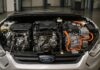
A dead battery shows clear warning signs: your engine struggles to start or won’t turn over, dashboard lights appear dim or fail completely, and electrical components like radio or air conditioning stop working. You can confirm a dead battery using a multimeter to check voltage levels (healthy batteries read 12.4-12.7V when the engine is off) or by observing physical damage like corrosion or swelling.
Tools and parts required
Testing your battery properly requires specific tools and safety equipment. Having the right kit ensures accurate diagnosis and prevents potential hazards.
Tools needed:
- Digital multimeter (essential for voltage testing)
- Battery load tester (for comprehensive testing)
- Wire brush (for cleaning terminals)
- Safety gloves and goggles
- Torch or inspection light
Parts that might be needed:
- New car battery (if replacement required)
- Battery terminal protectors
- Terminal cleaning spray
- Battery hold-down bracket
Safety precautions
Car batteries contain sulphuric acid and produce hydrogen gas, making safety paramount. Always wear protective equipment and work in well-ventilated areas. Never smoke or create sparks near batteries. Ensure the engine is off and keys are removed before testing. If you notice any cracks, leaks, or swelling in the battery case, replace it immediately without attempting to test.
Tip: Always disconnect the negative terminal first when removing a battery, and connect it last when installing to prevent short circuits.
Step-by-step instructions
Step 1: Visual inspection
Start with a thorough visual examination of your battery. Look for obvious signs of damage such as cracks in the case, white or blue corrosion around terminals, or any swelling. Check the battery age using the date code – most batteries last 3-5 years. Examine the terminals for looseness or heavy corrosion that might affect electrical connections.
Clean any corrosion using a wire brush and baking soda solution. This ensures accurate test results and proper electrical contact during testing procedures.
Step 2: Check the voltage with engine off
Set your digital multimeter to DC voltage measurement. Connect the red probe to the positive terminal and black probe to the negative terminal. A healthy battery should read between 12.4V and 12.7V when the engine is off and the battery has been at rest for several hours.
Readings below 12.4V indicate a discharged battery, while readings below 12.0V suggest the battery is likely dead or severely depleted. Record this reading as your baseline measurement for comparison with other tests.
Step 3: Perform a load test
Connect a battery load tester following the manufacturer’s instructions. Apply a load equivalent to half the battery’s cold cranking amps (CCA) rating for 15 seconds. During this test, voltage should not drop below 9.6V for a 12V battery.
If voltage drops significantly below this threshold, your battery cannot provide adequate power under load conditions. This test simulates the demands of starting your engine and reveals battery capacity issues that voltage-only tests might miss.
Step 4: Test cranking voltage
With the multimeter connected, have someone attempt to start the engine while you monitor the voltage reading. During cranking, voltage should remain above 9.6V. If it drops below this level, the battery lacks sufficient capacity to turn the starter motor effectively.
This real-world test shows how your battery performs under actual starting conditions. Low cranking voltage explains why your car struggles to start even when static voltage readings appear acceptable.
Step 5: Check charging system operation
With the engine running, measure voltage across the battery terminals. You should see readings between 13.8V and 14.4V, indicating the alternator is charging the battery properly. Lower readings suggest charging system problems that could drain your battery.
Higher readings above 15V indicate overcharging, which can damage battery cells and shorten battery life significantly. This test confirms whether your battery problems stem from the battery itself or the charging system.
Tip: Test your battery monthly during winter months when cold weather reduces battery capacity and increases electrical demands from heating systems.
Common mistakes to avoid
Many people test batteries immediately after driving, which gives false readings due to surface charge. Always let the battery rest for at least 6 hours before testing for accurate results.
Another frequent error is testing only voltage without checking capacity under load. A battery might show good voltage but fail under the demands of starting. Always perform both voltage and load tests for complete diagnosis.
Don’t ignore corroded terminals, as they can cause test equipment to give inaccurate readings. Clean terminals thoroughly before testing to ensure proper electrical contact and reliable measurements.
Failing to check the charging system leads to premature battery replacement. A faulty alternator will kill new batteries just as quickly as the old one, so always test charging voltage when diagnosing battery problems.
Signs your battery needs replacement
Several symptoms indicate your battery is failing and needs immediate attention. Slow engine cranking is often the first sign, especially noticeable during cold mornings when battery capacity naturally decreases.
Dashboard warning lights, particularly the battery symbol, indicate charging system problems. Dim headlights or interior lights suggest insufficient electrical supply from a weak battery.
If your car needs jump-starting frequently, the battery has lost its ability to hold charge effectively. Modern vehicles with numerous electronic systems are particularly sensitive to battery condition and may exhibit unusual behaviour when battery voltage drops.
Age is also a critical factor – batteries over 4 years old should be tested regularly, especially before winter when cold weather increases starting demands and reduces battery capacity.
Related maintenance you can do at the same time
While testing your battery, consider checking other electrical components that affect starting reliability. Inspect spark plugs for wear, as faulty plugs increase starting demands on your battery.
Clean battery terminals and apply terminal protector spray to prevent future corrosion. Check the alternator belt for proper tension and wear, as loose belts reduce charging efficiency.
Test your starter motor current draw if you have the equipment – excessive current indicates internal wear that places extra demands on your battery. Replace any corroded battery cables that might restrict current flow.
Consider replacing the cabin filter if it’s dirty, as blocked filters force the blower motor to work harder, increasing electrical load on your battery during operation.
Frequently asked questions
How long do car batteries typically last?
Most car batteries last between 3-5 years, depending on climate, driving habits, and vehicle electrical demands. Regular testing extends battery life.
Can a completely dead battery be recharged?
Deeply discharged batteries can often be recharged using appropriate chargers, but repeated deep discharges significantly reduce battery lifespan and capacity.
What voltage reading indicates a dead battery?
Readings below 12.0V when the engine is off indicate a severely discharged or dead battery requiring immediate charging or replacement.
Why does my battery die overnight?
Parasitic drains from faulty electrical components, interior lights, or security systems can discharge batteries overnight. Professional diagnosis identifies the source.
Should I replace my battery before it completely fails?
Yes, replacing batteries showing weakness prevents unexpected breakdowns and potential damage to sensitive electronic systems from voltage fluctuations.
Regular battery testing helps you identify problems before they leave you stranded. Understanding these diagnostic techniques empowers you to maintain your vehicle’s electrical system effectively. When replacement becomes necessary, choosing quality components and proper installation techniques ensures reliable operation for years to come. Professional testing equipment and genuine replacement parts provide the foundation for dependable vehicle operation.

 Loading...