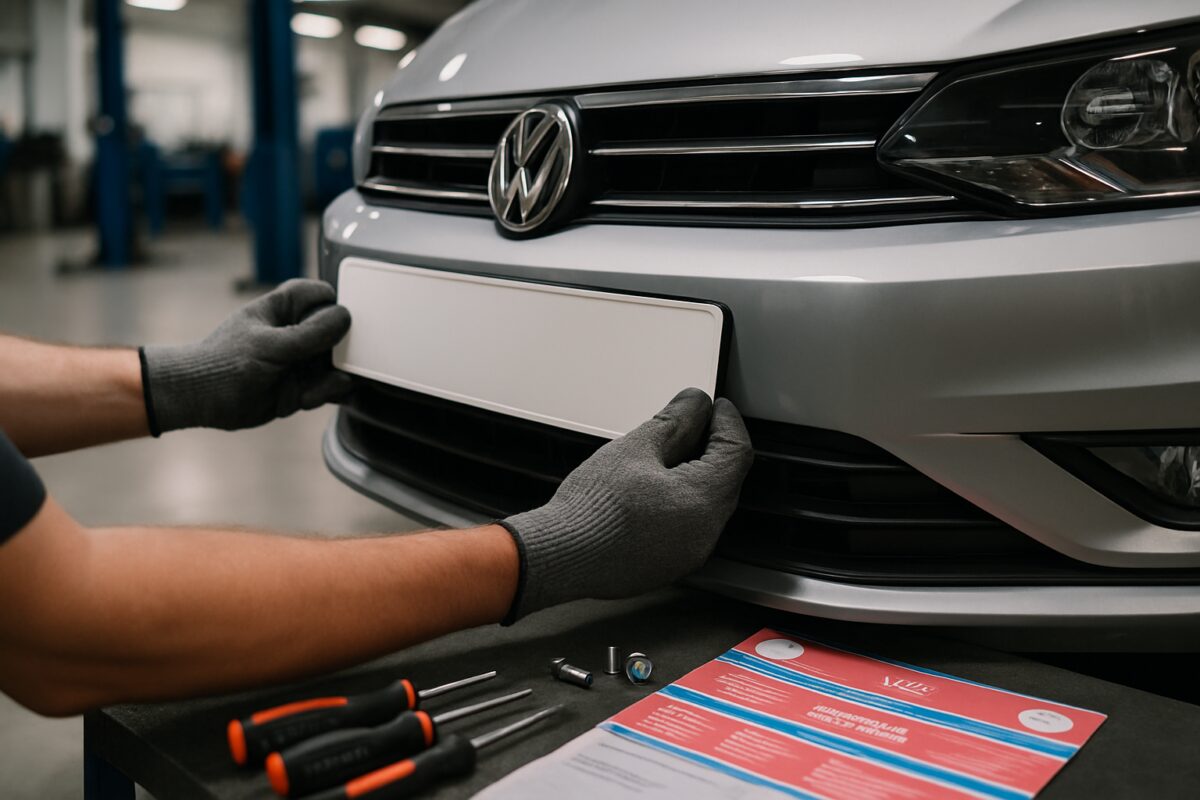
To get a new number plate in the UK, you’ll need valid V5C registration documents, proof of identity, and an authorised number plate supplier. The process involves choosing between standard replacement plates or personalised options, visiting an approved dealer, and ensuring compliance with DVLA regulations for proper installation.
Getting a new number plate might seem straightforward, but there are specific legal requirements and procedures you must follow. Whether you need replacement plates due to damage, theft, or fancy a personalised registration, understanding the proper process ensures you stay compliant with UK law.
Documents and requirements needed
Before visiting a number plate supplier, gather the essential documentation. You’ll need your vehicle’s V5C registration certificate (log book) as primary proof of vehicle ownership. This document contains crucial information including your vehicle identification number (VIN) and current registration details.
Additionally, you must provide valid photographic identification. A current driving licence, passport, or national identity card will suffice. Some suppliers may accept other forms of ID, but these are the most commonly accepted documents.
Parts needed:
- V5C registration certificate (original or certified copy)
- Valid photographic identification
- Form V62 (if V5C is unavailable)
- Insurance certificate (sometimes required)
- Proof of entitlement (for personalised plates)
Tools required:
- Phillips head screwdriver
- Flathead screwdriver
- Number plate mounting bolts
- Drill (if new holes needed)
- Safety equipment
Safety precautions
When replacing number plates, ensure your vehicle is parked on level ground with the handbrake applied. Wear safety glasses when drilling new mounting holes to prevent metal shavings from entering your eyes. Keep replacement bolts and washers organised to avoid losing small components during installation.
Step-by-step instructions
Step 1: Find an authorised supplier
Locate a registered number plate supplier in your area. These businesses must be registered with the DVLA to legally produce replacement plates. Most motor factors, garages, and specialist number plate shops offer this service. Verify their authorisation before proceeding with your order.
Many suppliers offer same-day service, whilst others may require 24-48 hours for custom plates. Standard replacement plates typically cost £20-30, whilst personalised options start around £250 plus DVLA fees.
Step 2: Choose your plate type
Decide between standard replacement plates or personalised registrations. Standard plates replicate your existing registration using regulation fonts and spacing. Personalised plates require separate purchase from DVLA or private sellers, with additional documentation proving ownership rights.
Consider plate materials carefully. Standard acrylic plates offer durability and weather resistance. 3D gel plates provide enhanced appearance but cost more. Ensure any chosen style meets current DVLA regulations for reflectivity and legibility.
Step 3: Verify compliance
Check your new plates comply with current UK regulations. Plates must display correct font (Charles Wright 2001), proper spacing, and regulation reflective materials. Front plates use black text on white backgrounds, whilst rear plates feature black text on yellow backgrounds.
Confirm the supplier’s details appear on the plate bottom right corner. This identifies the manufacturer and proves legal production. Plates without proper supplier identification are illegal for road use.
Step 4: Remove old plates
Use appropriate screwdrivers to remove mounting bolts carefully. Some bolts may be corroded or seized, requiring penetrating oil for easier removal. Keep bolts organised as you may need them for installation, depending on new plate mounting requirements.
Step 5: Install new plates
Position new plates correctly on mounting points. Ensure plates sit flush against the vehicle body without bending or distortion. Some vehicles require specific mounting brackets or spacers for proper fitment.
Secure plates using appropriate bolts and washers. Avoid overtightening, which can crack the plate material. Check plates remain secure but allow slight flexibility for thermal expansion.
Professional tip from AutoPartsPro mechanics: Always keep your old plates as proof of previous registration history. Some insurance companies request these during claims processing, and they serve as backup documentation for vehicle ownership verification.
Common mistakes to avoid
Many motorists attempt purchasing plates without proper documentation. This wastes time and delays the replacement process. Always bring original documents rather than photocopies, as suppliers cannot accept unverified copies for legal compliance.
Another frequent error involves choosing non-compliant plate styles. Fancy fonts, incorrect spacing, or non-standard materials result in MOT failures and potential fines. Stick to regulation specifications to avoid legal complications.
Never attempt installing plates using inappropriate fixings. Cable ties, adhesive strips, or incorrect bolts create security risks and legal issues. Use proper mounting hardware designed specifically for number plate installation.
Expert advice from AutoPartsPro specialists: Double-check plate orientation before drilling new holes. Front and rear plates have different requirements, and incorrectly mounted plates result in MOT failures and enforcement action.
When should you replace number plates?
Replace damaged, faded, or illegible plates immediately. MOT testing includes number plate condition assessment, and failed plates result in test failure. Police enforcement targets vehicles with unreadable registrations, leading to fixed penalty notices.
Consider replacement if plates show significant wear, cracking, or colour fading. Weather exposure gradually degrades plate materials, affecting reflectivity and legibility. Proactive replacement prevents enforcement issues and ensures continuous vehicle compliance.
Theft victims must replace plates promptly and report incidents to police. Stolen plates often facilitate criminal activities, making swift replacement essential for avoiding false accusations and maintaining vehicle security.
Related maintenance you can do at the same time
While replacing number plates, inspect surrounding bodywork for damage or corrosion. Check bumper components for cracks or mounting issues that might affect plate security.
Consider upgrading your tail lights if rear plate replacement reveals illumination problems. Poor number plate lighting creates MOT failure risks and enforcement concerns.
Check outside mirrors and other external components while accessing plate mounting areas. This comprehensive approach maximises maintenance efficiency and identifies potential issues early.
Frequently asked questions
Can I make my own number plates at home?
No, only registered suppliers can legally manufacture number plates. DIY plates lack proper certification and materials, resulting in legal penalties and MOT failures.
How long do replacement plates take to make?
Standard replacements typically take 15-30 minutes, whilst personalised plates may require 24-48 hours depending on supplier workload and complexity.
Do I need both plates if only one is damaged?
Legally, you can replace individual plates, but matching sets ensure consistent appearance and avoid potential enforcement confusion about vehicle authenticity.
Can I use different fonts or spacing on my plates?
No, UK law mandates specific fonts (Charles Wright 2001) and spacing requirements. Non-compliant plates result in MOT failures and fixed penalty notices.
What happens if I lose my V5C before getting new plates?
Apply for V5C replacement through DVLA or use form V62. Some suppliers accept alternative documentation, but original V5C remains the preferred proof.
Getting new number plates requires careful attention to legal requirements and proper documentation. Whether you need standard replacements or personalised plates, working with authorised suppliers and following DVLA guidelines ensures compliance and avoids costly penalties. Remember that proper illumination and reliable electrical systems support your new plates’ legal requirements for visibility and safety on UK roads.

 Loading...