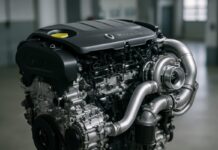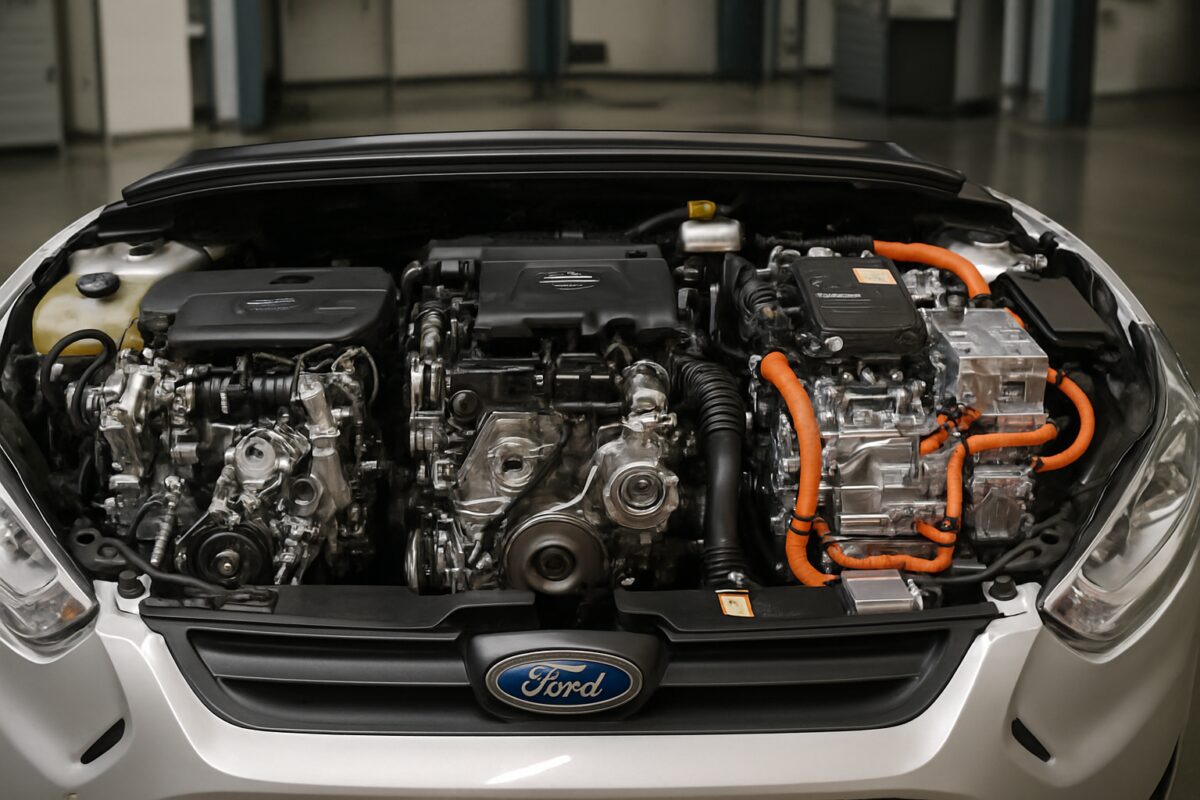
The Ford C-Max has established itself as a versatile compact MPV that balances practicality with efficiency. Its engine lineup plays a crucial role in delivering the right mix of performance, economy, and reliability that families demand. From efficient petrol units to advanced hybrid powertrains, the C-Max offers engines producing between 100-185 horsepower with torque figures ranging from 170-240 Nm, making it suitable for various driving needs and budgets.
Comparison table of all engines
Understanding the specifications of each C-Max engine helps you make an informed choice. Below is a comprehensive comparison of the main powertrains available across different model years.
| Engine | Power Output | Torque | Fuel Consumption | Reliability |
|---|---|---|---|---|
| 1.0 EcoBoost | 100-125 BHP | 170-200 Nm | 47-52 MPG | Good |
| 1.5 TDCi | 95-120 BHP | 240-270 Nm | 58-65 MPG | Very Good |
| 1.6 TDCi | 115 BHP | 270 Nm | 55-62 MPG | Excellent |
| 2.0 Hybrid | 185 BHP | 240 Nm | 65-70 MPG | Good |
1.0 EcoBoost overview
Ford’s 1.0-litre EcoBoost represents modern turbocharging technology at its finest. This three-cylinder turbocharged unit delivers impressive performance despite its compact displacement, making it an ideal choice for urban driving and moderate motorway use.
The inline-three configuration features direct injection and variable valve timing. Turbocharging provides adequate low-end torque, whilst the lightweight design contributes to overall vehicle efficiency. This petrol engine uses premium unleaded fuel with direct injection technology for optimal combustion.
Pros
- Excellent fuel economy for a petrol engine
- Low CO2 emissions reduce road tax
- Responsive turbocharger delivers good mid-range performance
- Relatively affordable maintenance costs
- Smooth operation in urban conditions
Cons
- Three-cylinder vibration noticeable at idle
- Limited power for fully loaded motorway driving
- Turbocharger can be laggy at very low RPM
- Premium fuel recommended for best performance
1.5 TDCi overview
The 1.5 TDCi diesel engine offers exceptional fuel efficiency combined with adequate performance. This four-cylinder turbodiesel unit represents Ford’s commitment to clean diesel technology with advanced emission control systems.
This inline-four diesel features common rail injection with turbocharging for enhanced power delivery. The naturally aspirated base is enhanced by a variable geometry turbocharger, whilst the fuel system uses high-pressure common rail injection for precise fuel delivery and reduced emissions.
Pros
- Outstanding fuel economy exceeding 60 MPG
- Strong low-end torque ideal for overtaking
- Proven reliability record
- Lower CO2 emissions than petrol equivalents
- Excellent for long-distance driving
Cons
- DPF issues with frequent short journeys
- Higher purchase price than petrol variants
- Diesel fuel costs more than petrol
- Potential AdBlue system maintenance
- Noisier than petrol engines
2.0 Hybrid overview
Ford’s hybrid system combines a 2.0-litre Atkinson cycle petrol engine with an electric motor and battery pack. This sophisticated powertrain delivers impressive fuel economy whilst providing adequate performance for all driving situations.
The naturally aspirated four-cylinder engine works alongside a permanent magnet electric motor. Power is managed through a sophisticated eCVT transmission, whilst the system uses regular unleaded petrol with optimised combustion timing for maximum efficiency.
Pros
- Exceptional fuel economy in urban conditions
- Silent electric-only operation at low speeds
- Instant torque delivery from electric motor
- Very low emissions and road tax
- Regenerative braking improves efficiency
Cons
- Higher initial purchase cost
- Complex system requires specialist maintenance
- Limited electric-only range
- CVT transmission feels disconnected
- Reduced boot space due to battery placement
Maintenance cost
Understanding maintenance requirements helps budget for ownership costs. Regular servicing ensures reliability and maintains warranty coverage. Oil filters and air filters require regular replacement across all engine types.
| Engine | Recommended Interval | Estimated Cost | Cost per 10,000 miles |
|---|---|---|---|
| 1.0 EcoBoost | 12,500 miles | £180-220 | £144-176 |
| 1.5 TDCi | 12,500 miles | £220-280 | £176-224 |
| 1.6 TDCi | 12,500 miles | £200-260 | £160-208 |
| 2.0 Hybrid | 10,000 miles | £250-320 | £250-320 |
Professional tip: Always use manufacturer-approved engine oil specifications to maintain warranty coverage and ensure optimal performance across all C-Max engines.
Engine sound and character
Each C-Max engine delivers a distinct driving experience. The 1.0 EcoBoost produces a characterful three-cylinder thrum that becomes more pronounced under acceleration. Its turbocharger whistle adds sporty appeal, though some vibration is noticeable at idle.
The diesel engines offer a more subdued soundtrack with typical compression ignition clatter most evident during cold starts. Modern sound deadening minimises intrusion into the cabin, making them suitable for relaxed cruising.
The hybrid system operates almost silently in electric mode, creating an eerily quiet driving experience around town. When the petrol engine engages, it runs smoothly with minimal vibration thanks to the Atkinson cycle design.
Expert insight: Our technicians recommend the 1.6 TDCi for customers prioritising long-term reliability, whilst the hybrid suits those wanting maximum efficiency in urban environments.
Who each engine is best for
Choosing the right C-Max engine depends on your specific needs and driving patterns. Consider your typical journey lengths, fuel budget, and performance requirements when making this important decision.
| Engine | Best For |
|---|---|
| 1.0 EcoBoost | Budget-conscious buyers, urban commuters, occasional long trips |
| 1.5 TDCi | High-mileage drivers, motorway commuters, efficiency seekers |
| 1.6 TDCi | Long-distance drivers, reliability-focused owners, towing requirements |
| 2.0 Hybrid | Urban drivers, eco-conscious buyers, stop-start traffic conditions |
Regular maintenance of components like spark plugs for petrol engines and fuel filters for diesels ensures optimal performance. The hybrid system requires additional attention to battery condition and cooling systems.
Component reliability varies between engines, with diesel variants requiring attention to turbocharger maintenance and particulate filter functionality. Petrol engines benefit from regular ignition coil and fuel pump inspection.
Frequently asked questions
Which C-Max engine is most reliable?
The 1.6 TDCi diesel engine offers the best long-term reliability record, with proven durability and fewer common issues than other variants.
How often should I service my C-Max engine?
Follow Ford’s recommended service intervals: 12,500 miles for most engines, though hybrid variants may require 10,000-mile intervals for optimal performance.
Can C-Max engines handle towing?
Diesel engines handle towing best, with the 1.6 TDCi offering adequate torque. Hybrid and small petrol engines have limited towing capacity.
What fuel should I use in my C-Max?
Use regular unleaded for most engines, though premium fuel can benefit the 1.0 EcoBoost. Diesel engines require standard automotive diesel fuel.
Are C-Max hybrid batteries expensive to replace?
Hybrid battery replacement costs £2,000-3,000, though most units last beyond 100,000 miles with proper maintenance and driving habits.

 Loading...