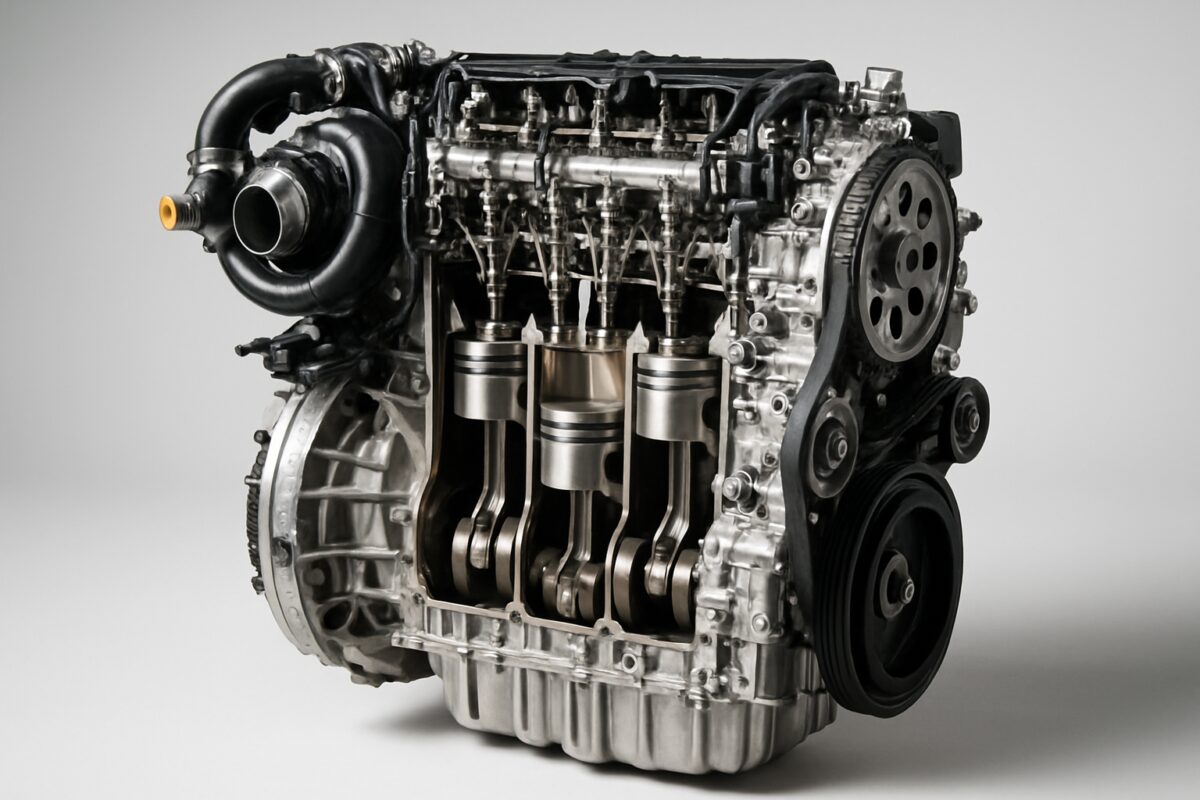
Renault’s dCi (direct Common rail injection) engine technology represents a significant advancement in diesel powerplant design, offering enhanced performance, improved fuel economy, and reduced emissions across their vehicle range. These sophisticated turbocharged diesel units serve everything from compact city cars to robust commercial vehicles, delivering impressive torque figures whilst maintaining excellent efficiency. With power outputs ranging from 75hp to over 200hp, dCi engines feature advanced common rail fuel injection systems that precisely control fuel delivery for optimal combustion.
Comparison table of all engines
Understanding the complete dCi engine range helps buyers select the most suitable powerplant for their needs. Each variant offers distinct characteristics tailored to different driving requirements and vehicle applications.
| Engine | Power Output | Torque | Fuel Consumption | Reliability |
|---|---|---|---|---|
| 1.5 dCi 75 | 75hp | 200 Nm | 4.2-4.8 l/100km | Very Good |
| 1.5 dCi 90 | 90hp | 220 Nm | 4.0-4.6 l/100km | Excellent |
| 1.5 dCi 110 | 110hp | 260 Nm | 4.2-4.9 l/100km | Very Good |
| 1.6 dCi 130 | 130hp | 320 Nm | 4.5-5.2 l/100km | Good |
| 2.0 dCi 150 | 150hp | 380 Nm | 5.8-6.5 l/100km | Good |
1.5 dCi engine overview
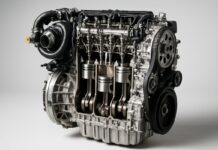
The 1.5-litre dCi represents Renault’s most successful diesel engine family, featuring a four-cylinder inline configuration with aluminium construction. This turbocharged unit employs sophisticated common rail injection technology, delivering fuel at pressures up to 1,600 bar for precise combustion control.
The engine utilises diesel fuel with a variable geometry turbocharger that optimises boost pressure across the rev range. Advanced injectors feature multiple injection events per combustion cycle, reducing noise and emissions whilst maximising efficiency.
Pros
- Exceptional fuel economy figures
- Strong low-end torque delivery
- Compact dimensions suitable for smaller vehicles
- Proven reliability record
- Low maintenance requirements
Cons
- Limited high-rpm performance
- Potential DPF issues in city driving
- Timing belt replacement intervals
- Injector cleaning requirements
1.6 dCi engine overview
The 1.6-litre dCi builds upon the smaller unit’s success with increased displacement and enhanced performance characteristics. This four-cylinder turbocharged diesel features aluminium block construction with cast iron cylinder liners for durability.
Advanced common rail technology operates at even higher pressures than the 1.5-litre variant, whilst the variable geometry turbocharger provides excellent response. The engine incorporates sophisticated exhaust gas recirculation systems to meet stringent emission standards.
Pros
- Higher power output than 1.5 dCi
- Improved mid-range acceleration
- Advanced emission control systems
- Smooth power delivery
- Good towing capability
Cons
- Higher fuel consumption than smaller engines
- More complex emission systems
- Increased service costs
- DPF regeneration requirements
2.0 dCi engine overview
The flagship 2.0-litre dCi delivers substantial power and torque figures for larger vehicles and commercial applications. This robust four-cylinder unit features reinforced internal components to handle increased performance demands.
The engine employs advanced bi-turbo technology in higher specification variants, combining a small turbocharger for low-end response with a larger unit for high-rpm power. Sophisticated intercooler systems manage intake temperatures effectively.
Our mechanics at AutoPartsPro recommend regular fuel filter changes every 20,000 miles for optimal dCi engine performance, particularly important given the high-pressure fuel systems.
Pros
- Excellent power and torque output
- Strong performance across rev range
- Suitable for heavy-duty applications
- Advanced turbocharging technology
- Impressive towing capacity
Cons
- Higher purchase and running costs
- Complex turbocharger systems
- Increased weight affects handling
- Emission system complexity
Maintenance cost
Regular servicing ensures dCi engines deliver reliable performance throughout their operational life. Understanding maintenance schedules and associated costs helps owners budget effectively for their vehicle’s upkeep.
| Engine | Recommended Interval | Estimated Cost | Cost per 10,000 miles |
|---|---|---|---|
| 1.5 dCi 75/90 | 12,000 miles | £180-220 | £150-183 |
| 1.5 dCi 110 | 12,000 miles | £200-240 | £167-200 |
| 1.6 dCi 130 | 12,000 miles | £220-260 | £183-217 |
| 2.0 dCi 150 | 12,000 miles | £250-300 | £208-250 |
AutoPartsPro’s diesel specialists emphasise the importance of using quality engine oil meeting Renault’s specifications to prevent premature wear in high-pressure fuel system components.
Engine sound and character
Modern dCi engines demonstrate remarkable refinement compared to earlier diesel powerplants. The 1.5 dCi produces a characteristically smooth idle with minimal vibration, thanks to advanced engine mount systems and balanced internal components.
Under acceleration, these engines deliver a muted diesel note that’s far removed from the agricultural character of older units. The variable geometry turbocharger provides progressive boost delivery, creating a linear power curve that feels more petrol-like in character. Sound insulation improvements and advanced injection timing contribute to the refined driving experience.
Who each engine is best for
Selecting the appropriate dCi variant depends on individual driving patterns, vehicle requirements, and budget considerations. Each engine offers distinct advantages for specific user profiles.
| Engine | Best For | Ideal Usage |
|---|---|---|
| 1.5 dCi 75 | Budget-conscious owners | City driving, low annual mileage |
| 1.5 dCi 90 | Daily commuters | Mixed urban/motorway driving |
| 1.5 dCi 110 | Long-distance drivers | High mileage, motorway cruising |
| 1.6 dCi 130 | Performance enthusiasts | Sporty driving, occasional towing |
| 2.0 dCi 150 | Commercial users | Heavy loads, frequent towing |
The smaller capacity engines excel in urban environments where their compact dimensions and excellent fuel economy prove most beneficial. Larger displacement variants suit drivers requiring additional performance for overtaking or load carrying. Regular air filter replacement ensures optimal performance across all variants.
Frequently asked questions
What does dCi mean on Renault engines?
dCi stands for direct Common rail injection, representing Renault’s advanced diesel fuel injection technology that delivers fuel at high pressure directly into combustion chambers.
How reliable are dCi engines long-term?
dCi engines demonstrate excellent reliability when properly maintained, with many examples exceeding 200,000 miles without major issues when serviced according to manufacturer schedules.
Do dCi engines require special maintenance procedures?
Yes, dCi engines need regular particulate filter regeneration cycles and high-quality diesel fuel to maintain optimal performance and prevent fuel system contamination.
Can dCi engines handle biodiesel fuels?
Most dCi engines accept biodiesel blends up to B7 specification, though higher concentrations may require fuel system modifications and void warranties.
What causes common dCi engine problems?
Common issues include injector fouling from poor fuel quality, DPF blockages from short journeys, and turbocharger hose failures from oil contamination.

 Loading...