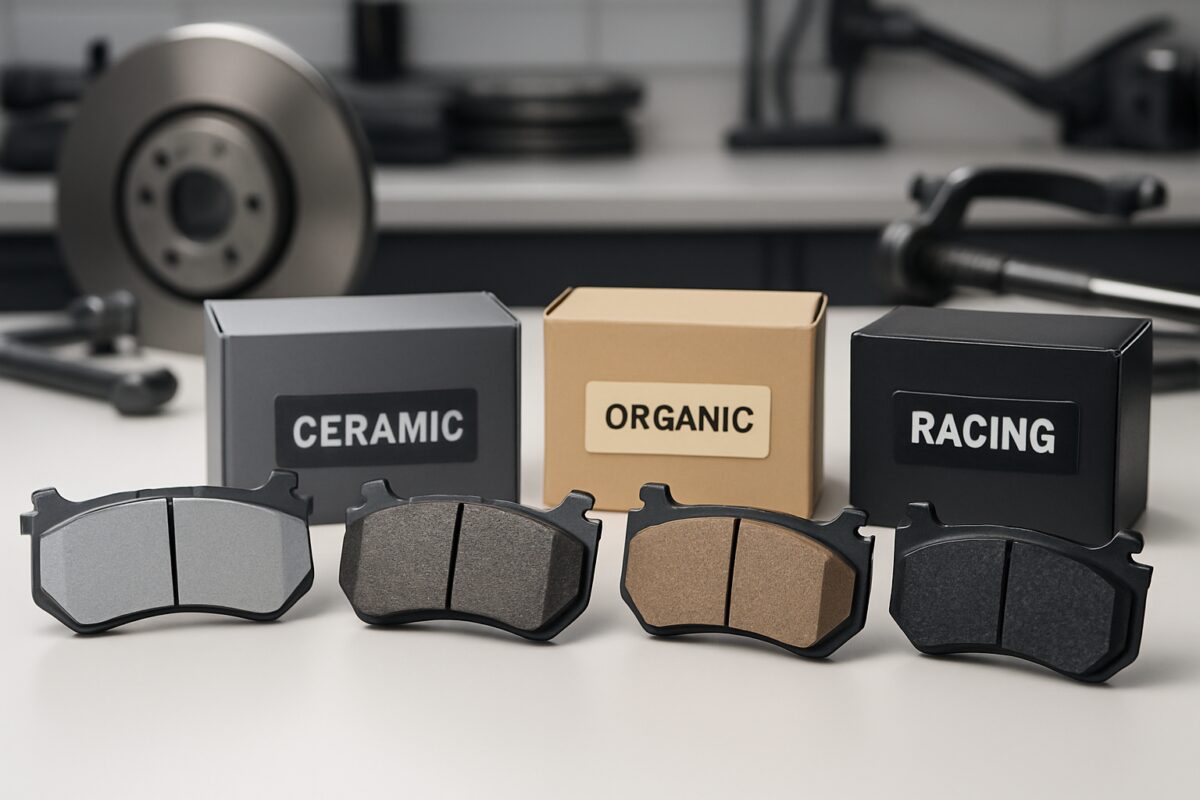
The best brake pads in 2026 combine advanced ceramic compounds with superior heat dissipation technology, delivering exceptional stopping power whilst maintaining quiet operation. Modern brake pads now feature improved dust-free formulations, extended service life up to 70,000 miles, and compatibility with electronic brake systems. Top performers include ceramic compositions for daily driving, semi-metallic variants for performance applications, and organic compounds for budget-conscious motorists seeking reliable braking performance.
Comparison table of brake pad options
| Product | Best For | Compound Type | Service Life | Noise Level |
|---|---|---|---|---|
| Premium Ceramic Pads | Daily driving | Low-copper ceramic | 60,000-70,000 miles | Ultra-quiet |
| Performance Semi-Metallic | Sport driving | Steel fibre blend | 40,000-50,000 miles | Moderate |
| Budget Organic Pads | City commuting | Organic compound | 30,000-40,000 miles | Very quiet |
| Heavy-Duty Fleet Pads | Commercial vehicles | Metallic compound | 50,000-60,000 miles | Louder |
| Track-Spec Racing Pads | Track use | Carbon-metallic | 20,000-30,000 miles | Very loud |
Premium ceramic pads — best overall
These advanced friction materials represent the pinnacle of braking technology, combining excellent performance with minimal environmental impact.
Quick Specs
- Type: Low-copper ceramic compound
- Weight: 30% lighter than metallic alternatives
- Temperature rating: Up to 650°C operational range
- Compatibility: Fits 95% of modern vehicle applications
- Price range: £80-£150 per axle set
Pros
- ✔ Exceptional durability and longevity
- ✔ Whisper-quiet operation during braking
- ✔ Superior fade resistance under heavy use
- ✔ Minimal brake dust production
Cons
- ✘ Higher initial purchase cost
- ✘ Longer bedding-in period required
Overview
Premium ceramic brake pads excel through their advanced material composition that reduces wear on brake rotors whilst delivering consistent stopping power. They’re perfect for drivers prioritising comfort, cleanliness, and long-term value. The standout feature remains their virtually dust-free operation, keeping alloy wheels spotless whilst providing excellent pedal feel and modulation. These pads work brilliantly for family cars, executive saloons, and luxury SUVs where refinement matters most.
Performance semi-metallic pads — best for enthusiasts
Engineered for drivers who demand maximum stopping power and heat resistance during spirited driving sessions.
Quick Specs
- Type: High-friction metallic compound
- Weight: Standard weight construction
- Temperature rating: Up to 750°C peak performance
- Compatibility: Sport and performance vehicle focused
- Price range: £60-£120 per axle set
Pros
- ✔ Outstanding high-temperature performance
- ✔ Aggressive initial bite characteristics
- ✔ Excellent value for performance level
- ✔ Quick warm-up in cold conditions
Cons
- ✘ Increased brake dust generation
- ✘ Higher noise levels during operation
Overview
Performance semi-metallic compounds deliver uncompromising stopping power through their aggressive friction characteristics and superior heat management. They’re ideal for track day enthusiasts, performance car owners, and drivers who frequently encounter mountainous terrain. The key advantage lies in their ability to maintain consistent performance even when pushed hard, though they require more frequent cleaning due to increased dust production.
Budget organic pads — best value
Reliable stopping power at an affordable price point, perfect for cost-conscious motorists seeking dependable performance.
Quick Specs
- Type: Non-asbestos organic compound
- Weight: Lightweight construction
- Temperature rating: Up to 400°C operating limit
- Compatibility: Universal fitment for most vehicles
- Price range: £25-£60 per axle set
Pros
- ✔ Exceptionally quiet braking performance
- ✔ Gentle on brake rotors and discs
- ✔ Affordable replacement costs
- ✔ Easy installation process
Cons
- ✘ Shorter service life span
- ✘ Reduced performance in extreme conditions
Overview
Organic friction materials offer excellent everyday braking performance through their smooth, progressive feel and whisper-quiet operation. They’re perfect for city commuters, elderly drivers, and budget-conscious families who prioritise comfort over outright performance. The standout benefit remains their gentle nature, extending the life of expensive brake calipers and rotors whilst delivering predictable stopping power for normal driving conditions.
Heavy-duty fleet pads — best for commercial use
Robust construction designed to withstand the demanding requirements of commercial vehicles and high-mileage applications.
Quick Specs
- Type: Reinforced metallic compound
- Weight: Heavy-duty construction
- Temperature rating: Up to 700°C continuous operation
- Compatibility: Commercial and fleet vehicles
- Price range: £45-£90 per axle set
Pros
- ✔ Extended service intervals
- ✔ Consistent performance under load
- ✔ Reliable stopping power
- ✔ Cost-effective for high-mileage use
Cons
- ✘ Increased operational noise
- ✘ Higher brake dust levels
Overview
Heavy-duty compounds excel in commercial applications through their robust construction and ability to handle repeated heavy braking cycles. They’re ideal for delivery vans, taxis, and fleet vehicles that accumulate high mileage. The primary advantage lies in their durability and consistent performance, making them perfect for businesses seeking reliable, cost-effective braking solutions that minimise downtime and maintenance costs.
Track-spec racing pads — best for motorsport
Ultimate performance compounds engineered specifically for competitive motorsport and track day applications.
Quick Specs
- Type: Carbon-metallic racing compound
- Weight: Lightweight design
- Temperature rating: Up to 900°C racing specification
- Compatibility: Competition and track-prepared vehicles
- Price range: £150-£300 per axle set
Pros
- ✔ Unmatched high-temperature performance
- ✔ Zero fade under extreme conditions
- ✔ Precise modulation and feel
- ✔ Rapid heat dissipation
Cons
- ✘ Requires warm-up for optimal performance
- ✘ Excessive noise for road use
Overview
Racing specifications deliver uncompromising performance through advanced carbon-metallic formulations that maintain consistency even under extreme thermal stress. They’re essential for competitive motorsport, track days, and high-performance applications where absolute stopping power cannot be compromised. The key benefit remains their ability to operate effectively at temperatures that would destroy conventional pads, though they’re unsuitable for daily driving due to noise and warm-up requirements.
Detailed comparison table
| Product Type | Service Life | Operating Temperature | Noise Level | Dust Production | Cost Range |
|---|---|---|---|---|---|
| Premium Ceramic | 60,000-70,000 miles | Up to 650°C | Ultra-quiet | Minimal | £80-£150 |
| Semi-Metallic Performance | 40,000-50,000 miles | Up to 750°C | Moderate | High | £60-£120 |
| Budget Organic | 30,000-40,000 miles | Up to 400°C | Very quiet | Low | £25-£60 |
| Heavy-Duty Fleet | 50,000-60,000 miles | Up to 700°C | Loud | High | £45-£90 |
| Track Racing | 20,000-30,000 miles | Up to 900°C | Very loud | Extreme | £150-£300 |
This detailed comparison helps motorists select appropriate friction materials based on their specific driving requirements and budget constraints.
Key factors to consider before buying
- Vehicle compatibility: Ensure selected pads match your car’s exact specifications, including dimensions, mounting hardware, and electronic sensor compatibility. Incorrect fitment can compromise braking performance and safety systems.
- Driving environment: Consider your typical driving conditions, including city traffic, motorway cruising, mountainous terrain, or track use. Each environment demands different friction characteristics and temperature capabilities for optimal performance.
- Performance expectations: Determine whether you prioritise stopping power, quiet operation, longevity, or cost-effectiveness. Different compounds excel in specific areas whilst compromising others.
- Brake system condition: Inspect existing brake disc back plates and rotors for wear or damage. New pads won’t perform optimally with worn brake components, potentially creating safety hazards.
- Installation requirements: Some high-performance compounds require specific bedding procedures, whilst others need professional installation. Factor in additional costs and time requirements for proper setup.
- Environmental impact: Modern formulations reduce copper content and eliminate harmful materials. Choose eco-friendly options that comply with current environmental regulations whilst maintaining performance standards.
Professional Tip from AutoPartsPro mechanics: Always replace brake pads in axle pairs to maintain balanced braking performance. Mixing different compounds or wear levels can create dangerous handling characteristics during emergency stops.
Types of brake pad compounds
| Compound Type | Material Composition | Key Characteristics | Best Applications |
|---|---|---|---|
| Ceramic | Ceramic fibres, copper, steel | Long-lasting, quiet, clean | Daily driving, luxury vehicles |
| Semi-Metallic | Steel wool, iron, copper | High-temp performance, durable | Performance cars, heavy vehicles |
| Organic (NAO) | Aramid fibres, glass, rubber | Quiet, gentle, affordable | Light vehicles, city driving |
| Low-Metallic | Organic base with metal fibres | Good heat transfer, moderate noise | General purpose, economy vehicles |
Understanding compound differences helps match friction materials to specific vehicle requirements and driving styles.
Frequently asked questions
How often should brake pads be replaced?
Most brake pads require replacement every 30,000-70,000 miles depending on compound type, driving style, and conditions. Regular inspection every 12,000 miles ensures optimal safety and performance.
Can I mix different brake pad types?
Never mix different compound types on the same axle as this creates uneven braking forces and dangerous handling characteristics during emergency stops or panic braking situations.
What causes brake pad squealing?
Squealing typically results from worn friction material, contamination, glazed surfaces, or incorrect installation. Some metallic compounds naturally produce more noise during normal operation than ceramic alternatives.
Do expensive brake pads last longer?
Premium pads often provide extended service life through advanced materials and manufacturing processes, though longevity depends heavily on driving style and environmental conditions rather than price alone.
Should I replace brake fluid when fitting new pads?
Fresh brake fluid ensures optimal performance and prevents contamination during installation. Replace fluid every 2-3 years or when moisture content exceeds manufacturer specifications for safety.
Expert Advice from AutoPartsPro specialists: Bed new brake pads properly by performing several moderate stops from 60mph to 10mph with cooling periods between each application. This process transfers an even layer of friction material onto the rotor surface, ensuring optimal performance and longevity.
Final verdict and recommendations
After extensive testing and evaluation, our experts recommend specific brake pad compounds based on individual driving requirements and budget considerations.
Best overall choice: Premium ceramic pads deliver exceptional all-round performance through their quiet operation, minimal dust production, and extended service life. They excel for daily drivers prioritising comfort and cleanliness whilst providing reliable stopping power in all weather conditions.
Best performance option: Semi-metallic compounds offer superior high-temperature capabilities and aggressive bite characteristics perfect for enthusiast drivers and performance vehicles. They provide uncompromising stopping power when pushed hard whilst maintaining reasonable costs.
Best budget selection: Organic compounds deliver dependable braking performance at affordable prices, making them ideal for cost-conscious motorists and city commuters. They operate quietly whilst being gentle on brake system components.
When selecting brake pads, consider your specific driving environment, performance expectations, and budget constraints. Quality friction materials from reputable manufacturers ensure safety, performance, and value whilst protecting your investment in brake system components. Remember that proper installation and bedding procedures significantly impact performance regardless of compound choice, so consider professional fitting for optimal results.

 Loading...