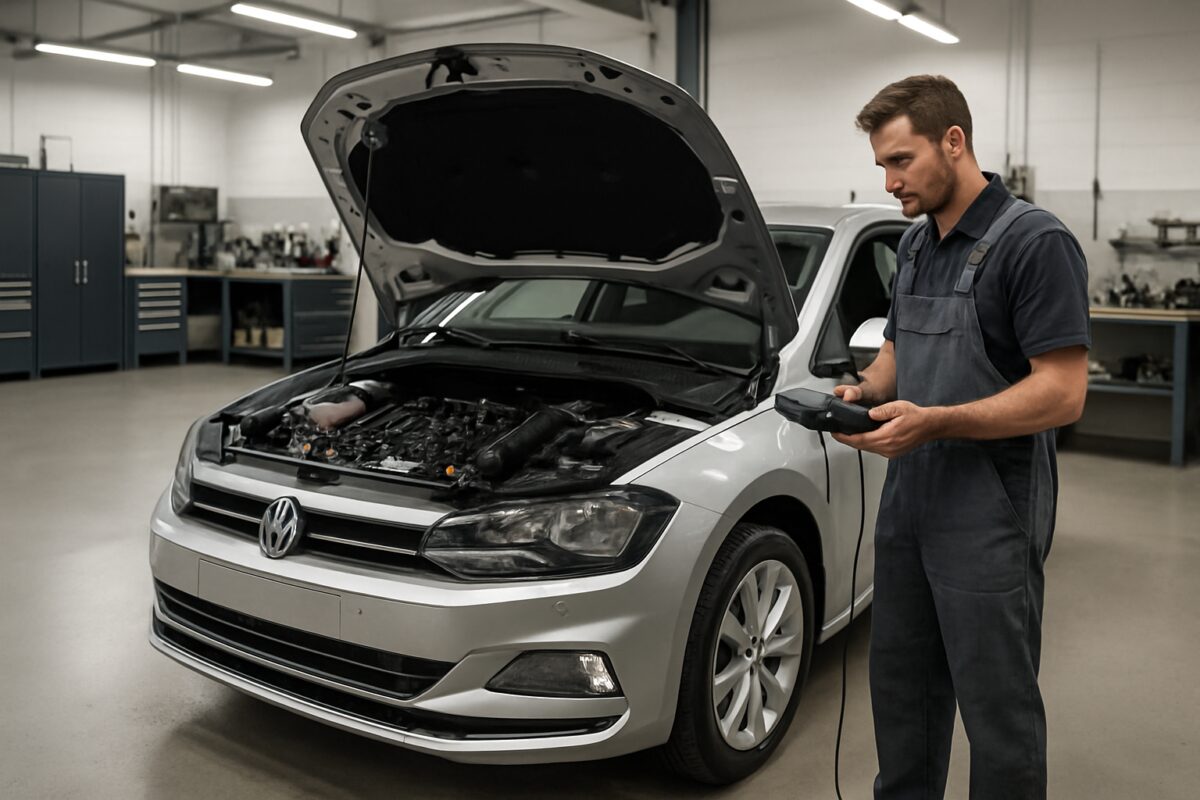
The Volkswagen Polo stands as one of Britain’s most beloved superminis, offering German engineering in a compact package. However, like any vehicle, the VW Polo experiences specific problems and issues that owners should understand. Our mechanics at AutoPartsPro have identified the most frequent malfunctions across different Polo generations to help you maintain your vehicle properly.
DSG transmission problems
The Direct Shift Gearbox (DSG) in VW Polo models has become notorious for reliability issues. This dual-clutch automatic transmission suffers from several mechanical problems that can leave drivers stranded.
Clutch pack wear represents the most common DSG failure. The transmission uses two separate clutches that engage alternately, but these components deteriorate faster than expected. Symptoms include jerky gear changes, hesitation during acceleration, and complete loss of drive. Our specialists frequently see DSG units failing between 60,000-80,000 miles, particularly in vehicles that haven’t received regular fluid changes.
Mechatronic unit failures also plague DSG transmissions. This electronic control module manages hydraulic pressure and gear selection. When it fails, the gearbox enters limp mode or refuses to engage gears entirely. Replacement costs range from £2,500-£4,000, making it one of the most expensive Polo repairs.
Regular DSG service every 40,000 miles can significantly extend transmission life and prevent costly failures.
Engine timing chain issues
Several Polo engines suffer from premature timing chain stretch and tensioner failure. This problem primarily affects 1.2 TSI and 1.4 TSI petrol engines produced between 2010-2017.
Chain stretch occurs when the timing chain elongates beyond acceptable tolerances. This causes incorrect valve timing, resulting in poor performance, increased fuel consumption, and potential engine damage. Warning signs include a rattling noise from the engine bay during startup, particularly when cold.
Tensioner failure compounds the problem. The hydraulic tensioner maintains proper chain tension, but oil contamination or wear causes it to malfunction. When tensioners fail completely, the timing chain can jump teeth or break entirely, causing catastrophic engine damage requiring complete rebuild or replacement.
Our technicians recommend checking timing chain condition during every service. Replacement costs typically range from £800-£1,500, but waiting too long can result in engine replacement costing £5,000 or more.
Electrical system malfunctions
Modern Polo models contain sophisticated electrical systems that frequently develop faults. These problems range from minor inconveniences to serious safety concerns.
Central locking failures occur regularly in Polo vehicles. Door lock actuators fail, preventing doors from locking or unlocking properly. This problem typically starts with one door but spreads to others over time. Replacement actuators cost £150-£300 per door, but the labour-intensive installation increases overall repair costs.
Window regulator problems also affect many Polo models. Electric window mechanisms fail due to worn cables or motor burnout. Symptoms include slow window operation, grinding noises, or complete window failure. Front windows fail more frequently due to increased usage.
ECU problems can cause various symptoms including poor engine performance, warning lights, and complete vehicle breakdown. These sophisticated computers control everything from engine management to ABS systems, making diagnosis challenging without proper equipment.
Cooling system leaks
Polo cooling systems develop leaks from multiple sources, particularly in vehicles over five years old. These problems can cause serious engine damage if not addressed promptly.
Water pump failures occur frequently in TSI engines. The plastic impeller degrades over time, reducing coolant circulation and causing overheating. Early symptoms include coolant loss without visible leaks and gradual temperature increases.
Radiator problems also plague older Polo models. Plastic end tanks crack due to thermal cycling, causing coolant leaks. Small leaks may not be immediately obvious but can lead to sudden cooling system failure during hot weather or heavy driving.
Thermostat housing leaks represent another common issue. The plastic housing develops cracks around the mounting points, causing coolant to drip onto the engine. While not immediately dangerous, these leaks can lead to air entering the cooling system and subsequent overheating.
Check coolant levels monthly and investigate any unexplained drops immediately to prevent engine damage.
Warning signs your car has a problem
Recognising early warning signs can prevent minor issues from becoming expensive repairs. Here are the most important symptoms to watch for in your VW Polo:
- Unusual noises during startup or acceleration
- Warning lights on the dashboard
- Poor fuel economy or reduced performance
- Difficulty starting the engine
- Strange smells from the engine bay
- Vibrations through the steering wheel or pedals
- Fluid leaks under the parked vehicle
- Electrical components not working properly
- Grinding or squealing sounds when braking
- Excessive exhaust smoke or unusual colours
How to fix the problems
Many Polo problems require professional diagnosis and repair, but understanding the solutions helps make informed decisions about maintenance and repairs.
| Problem | Solution | Approximate Cost | Difficulty Level |
|---|---|---|---|
| DSG Transmission Issues | Fluid change, clutch replacement, or mechatronic unit repair | £200-£4,000 | Professional Only |
| Timing Chain Problems | Chain and tensioner replacement with updated components | £800-£1,500 | Professional Only |
| Electrical Faults | Component replacement, wiring repair, or ECU reprogramming | £150-£1,000 | Professional Only |
| Cooling System Leaks | Replace faulty components, flush system, refill coolant | £100-£600 | Moderate to Professional |
| Brake Component Wear | Replace brake pads and discs | £200-£500 | Moderate |
Preventive maintenance represents the most cost-effective approach to Polo ownership. Regular servicing using OEM parts helps identify problems early and extends component life.
| Maintenance Item | Service Interval | Importance |
|---|---|---|
| Engine Oil Change | Every 12 months or 10,000 miles | Critical |
| DSG Service | Every 40,000 miles | Critical |
| Coolant System Check | Every 6 months | High |
| Brake Inspection | Every 12 months | Critical |
| Timing Chain Inspection | Every 60,000 miles | High |
When to see a mechanic
Understanding when to seek professional help prevents small problems from becoming expensive disasters. Contact a qualified technician immediately if you experience any of these symptoms:
Engine-related problems require urgent attention. If your Polo produces unusual noises, loses power suddenly, or displays engine warning lights, stop driving and seek professional diagnosis. Continuing to drive with engine problems can cause catastrophic damage requiring complete replacement.
Transmission issues also demand immediate professional attention. Jerky gear changes, slipping clutches, or complete loss of drive indicate serious DSG problems. Our mechanics recommend avoiding DIY transmission repairs due to the complexity and specialised tools required.
Brake problems represent immediate safety concerns. If you hear grinding noises, feel vibrations through the pedal, or notice reduced stopping power, inspect your brake discs and components immediately.
Electrical faults can leave you stranded and pose safety risks. If warning lights illuminate, electrical components stop working, or you experience starting problems, professional diagnosis using dealer-level equipment is essential.
For routine maintenance like air filter replacement or basic inspections, many owners can perform these tasks themselves with proper guidance.
Frequently asked questions
What are the most common VW Polo engine problems?
Timing chain stretch, carbon build-up in TSI engines, and premature water pump failure represent the most frequent engine issues.
How reliable is the VW Polo compared to other superminis?
The Polo offers above-average reliability but ranks below Toyota Yaris and Honda Jazz in long-term dependability studies.
Should I avoid DSG transmission in used Polo models?
DSG transmissions require careful consideration due to expensive repair costs, but properly maintained units can be reliable.
What’s the most expensive Polo repair to expect?
DSG mechatronic unit replacement costs £2,500-£4,000, making it the most expensive common repair for Polo owners.
How often should I service my VW Polo?
Annual services are essential, with additional brake inspections and coolant checks recommended every six months.
Final recommendation
The VW Polo remains an excellent choice for British drivers seeking German engineering in a compact package. However, understanding common problems helps make informed purchasing and maintenance decisions. Our AutoPartsPro specialists recommend focusing on vehicles with complete service histories, particularly DSG transmission services.
For current owners, preventive maintenance represents the best investment in reliability. Regular oil changes, cooling system inspections, and timely replacement of wear items like spark plugs can prevent most serious problems.
When problems do arise, using quality replacement parts and seeking professional diagnosis ensures proper repairs. While some Polo issues can be expensive, the vehicle’s overall build quality and parts availability make it a sensible long-term choice for most drivers.

 Loading...