The Dacia Sandero has earned a reputation as an affordable family car that delivers excellent value for money. However, like any vehicle, it’s not without its common issues that UK drivers should be aware of. Understanding these potential problems can help you make informed decisions about maintenance, repairs, and whether this budget-friendly hatchback suits your needs.
Electrical system failures
The Sandero’s electrical system has been a source of frustration for many owners across different model years. The most frequent complaint involves the dashboard warning lights randomly illuminating without any apparent cause.
Window mechanism failures are particularly common, with drivers reporting that power windows stop working intermittently. The window mechanism motors often fail prematurely, especially on the driver’s side. This issue typically affects vehicles aged between three to five years.
Central locking problems plague many Sandero models. Owners frequently experience situations where only some doors unlock with the key fob, or the system fails to respond altogether. The central locking system components appear to be particularly sensitive to moisture and temperature changes.
According to AutoPartsPro mechanics, these electrical gremlins often stem from poor-quality connectors and inadequate weatherproofing. The budget construction means that wiring looms aren’t always properly sealed, leading to corrosion in damp British conditions.
Timing belt and engine problems
The 1.0 and 1.2-litre petrol engines fitted to most Sandero models are generally reliable, but timing belt issues have caught many owners off-guard. Unlike some manufacturers who clearly specify timing belt replacement intervals, Dacia’s documentation can be unclear about this critical maintenance.
Engine oil consumption appears higher than expected in some units, particularly after 60,000 miles. Drivers report needing to top up oil more frequently than the handbook suggests. This issue often coincides with slight power loss and increased exhaust smoke.
The cam belt replacement should occur every 72,000 miles or six years, whichever comes first. However, our technicians recommend checking belt condition annually after the fourth year, as premature failure can result in catastrophic engine damage.
Cooling system problems occasionally surface, with radiator leaks and thermostat failures reported more frequently than expected. The plastic components in the cooling system appear less durable than those found in more expensive vehicles.
Suspension and steering issues
The Sandero’s budget suspension setup shows its limitations quite quickly under UK road conditions. Shock absorbers typically need replacement sooner than premium vehicles, often around 50,000 miles.
Ball joint wear becomes noticeable through knocking sounds over speed bumps and uneven surfaces. The ball joints used in Sandero models appear to have shorter service lives, particularly in urban environments with frequent stop-start driving.
Power steering problems manifest as heavy steering feel or complete power assistance loss. These issues often trace back to power steering pump failures or fluid leaks. The steering system seems particularly vulnerable to contamination from road debris and salt.
Springs occasionally break on higher-mileage vehicles, creating a harsh ride and potential MOT failure. Front springs appear more prone to failure than rear units, possibly due to the additional weight from the engine and gearbox.
> Professional tip: Regularly inspect your Sandero’s suspension components during tyre changes. Early detection of wear can prevent more expensive damage to other components.
Warning signs your car has a problem
Recognising early warning signs can save you from costly repairs and potential roadside breakdowns. Watch for these key indicators:
- Dashboard warning lights – Multiple warnings appearing simultaneously often indicate electrical system faults
- Unusual noises – Knocking from suspension, grinding from brakes, or rattling from the engine bay
- Performance changes – Reduced power, poor fuel economy, or difficulty starting
Pay particular attention to how your Sandero feels during daily driving. Changes in steering response, braking effectiveness, or ride comfort often signal developing problems before they become serious failures.
How to fix the problems
| Problem | DIY Difficulty | Estimated Cost | Time Required |
|---|---|---|---|
| Window mechanism replacement | Moderate | £80-150 | 2-3 hours |
| Central locking repair | Difficult | £120-250 | 3-4 hours |
| Timing belt replacement | Expert only | £300-450 | 4-6 hours |
| Shock absorber replacement | Moderate | £100-200 per pair | 2-3 hours |
| Ball joint replacement | Difficult | £60-120 each | 2-3 hours |
Many electrical issues can be resolved by cleaning corroded connections and applying dielectric grease. However, complex problems like central locking faults often require professional diagnostics to identify the root cause.
- Always disconnect the battery before working on electrical components
- Use genuine or OEM replacement parts for critical systems like timing belts
- Keep detailed maintenance records to track recurring issues
> Money-saving tip: Consider purchasing parts online from reputable suppliers like AutoPartsPro. You can often save 30-50% compared to main dealer prices whilst still getting quality components.
When to see a mechanic
Certain Sandero problems require professional attention to avoid safety risks or expensive damage. Timing belt issues should never be ignored, as interference engine designs can suffer catastrophic damage if the belt snaps.
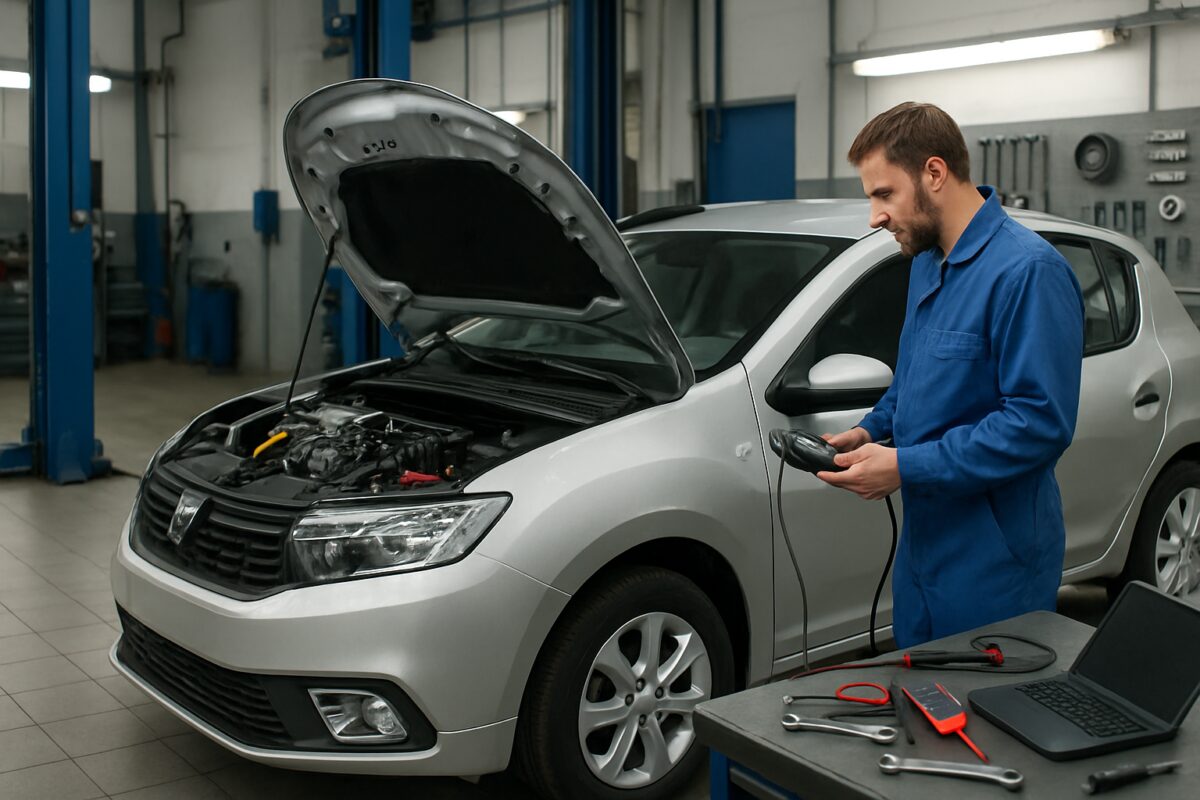
Electrical faults that affect safety systems like lights, indicators, or central locking need immediate professional diagnosis. Modern diagnostic equipment can quickly identify fault codes that would take hours to trace manually.
Suspension problems that affect vehicle handling or create unusual noises warrant professional inspection. A qualified technician can assess whether components are merely worn or approaching failure.
| Symptom | Urgency Level | Action Required |
|---|---|---|
| Engine warning light | High | Immediate professional diagnosis |
| Power steering failure | High | Stop driving, call mechanic |
| Electrical gremlins | Medium | Book appointment within week |
| Minor suspension noise | Low | Monitor and plan repair |
Frequently Asked Questions (FAQ)
What are the most common Dacia Sandero problems?
Electrical system faults, particularly window mechanisms and central locking failures, top the list alongside premature timing belt wear.
How reliable is the Dacia Sandero engine?
The petrol engines are generally dependable but require strict adherence to service intervals, especially timing belt replacement schedules.
Is the Sandero expensive to maintain and repair?
Parts costs remain reasonable, but labour charges can accumulate due to the frequency of electrical system issues.
Should I buy a used Dacia Sandero?
Yes, but ensure thorough pre-purchase inspection focusing on electrical systems, timing belt history, and suspension condition.
When should I replace my Sandero’s timing belt?
Follow the 72,000-mile or six-year interval religiously. Consider replacement earlier if you notice any related symptoms.
Final recommendation
The Dacia Sandero remains an excellent choice for budget-conscious drivers who understand its limitations. While electrical gremlins and premature component wear are genuine concerns, proper maintenance and realistic expectations can mitigate most issues.
AutoPartsPro’s experience with Sandero repairs suggests that owners who stay ahead of maintenance schedules and address problems promptly enjoy reliable service. The key lies in not deferring repairs and using quality replacement parts when issues arise.
Consider setting aside £300-500 annually for maintenance beyond standard servicing. This budget should cover the inevitable electrical repairs and suspension component replacements that characterise Sandero ownership. For more maintenance guidance, check our comprehensive car maintenance guide.
Despite its quirks, the Sandero delivers exceptional value when properly maintained. Understanding these common problems helps you make informed ownership decisions and budget appropriately for repairs.

 Loading...