The Vauxhall Mokka has become a popular choice amongst UK drivers seeking a compact crossover. However, like many vehicles, the Mokka experiences specific recurring issues that owners should be aware of. Understanding these common problems helps you identify potential faults early and maintain your vehicle properly.
Automatic gearbox failures
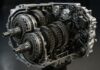
The automatic transmission represents one of the most significant concerns for Vauxhall Mokka owners. Many drivers report jerky gear changes, particularly during low-speed manoeuvres or when accelerating from standstill. The problem typically manifests as harsh shifting between first and second gear, accompanied by unusual vibrations through the drivetrain.
These transmission issues often stem from faulty solenoids within the gearbox control unit. The electronic components responsible for managing gear changes can fail prematurely, leading to erratic shifting patterns. Additionally, contaminated automatic transmission fluid can cause similar symptoms, as dirt and debris interfere with the hydraulic system’s operation.
Our AutoPartsPro specialists have observed that Mokka gearboxes manufactured between 2012-2016 show higher failure rates compared to later models. The issue typically appears around 60,000-80,000 miles, though some vehicles experience problems much earlier.
Regular transmission fluid changes every 40,000 miles can significantly reduce the likelihood of gearbox problems and extend component life.
Turbocharger malfunctions
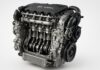
Turbocharger problems plague many Vauxhall Mokka models, particularly those equipped with the 1.4-litre petrol engine. Drivers frequently report a loss of power, excessive smoke from the exhaust, and whistling noises during acceleration. These symptoms typically indicate turbocharger bearing failure or damaged compressor wheels.
The root cause often traces back to inadequate oil supply or contaminated engine oil reaching the turbo unit. Carbon build-up within the turbo housing can also restrict airflow, causing the unit to work harder and fail prematurely. Many owners discover oil leaks around the turbo assembly, which not only reduces lubrication but can also create fire hazards.
According to our technical team’s analysis, Mokka turbochargers typically fail between 80,000-120,000 miles. However, aggressive driving habits and poor maintenance can accelerate this timeline significantly. The failure often coincides with DPF problems, as the two systems work closely together in modern diesel engines.
Electronic system glitches
Modern Vauxhall Mokka vehicles rely heavily on electronic systems, which unfortunately proves to be a source of numerous problems. Owners commonly experience issues with the infotainment system freezing, Bluetooth connectivity problems, and dashboard warning lights appearing without apparent cause.
The central control unit can develop software bugs that affect multiple vehicle functions simultaneously. Air conditioning controls may become unresponsive, electric window operations can become intermittent, and parking sensors might provide false readings. These problems often require software updates or complete module replacement.
Battery drainage represents another common electronic issue. Many Mokka owners find their vehicle’s battery completely flat after leaving the car parked for several days. This typically results from faulty modules that continue drawing power even when the vehicle is switched off.
Keeping your Mokka’s software updated through official Vauxhall service centres can prevent many electronic glitches and improve system reliability.
Suspension component wear
Suspension problems frequently affect Vauxhall Mokka vehicles, with shock absorbers and springs showing premature wear. Drivers notice increased body roll during cornering, bouncy ride quality, and uneven tyre wear patterns. The front suspension typically experiences more problems than the rear, particularly on vehicles used primarily for urban driving.
MacPherson strut assemblies commonly develop leaks around the 70,000-mile mark. The seals within the strut units deteriorate due to road salt exposure and temperature fluctuations common in the UK climate. When struts fail, the vehicle’s handling becomes unpredictable, and braking distances increase significantly.
Anti-roll bar links also wear prematurely on many Mokka models. These components connect the suspension to the chassis and help reduce body lean during cornering. When they fail, drivers hear clunking noises over bumps and notice increased body movement during direction changes.
Warning Signs Your Car Has a Problem
Recognising early warning signs can save you from costly repairs and potential safety hazards. Pay attention to these symptoms that indicate your Vauxhall Mokka requires immediate attention:
- Grinding or whining noises during gear changes
- Excessive exhaust smoke, particularly blue or black smoke
- Dashboard warning lights that remain illuminated
- Unusual vibrations through the steering wheel or pedals
- Reduced fuel economy without obvious cause
- Difficulty starting the engine, especially in cold weather
- Strange smells, particularly burning odours or fuel vapours
- Irregular engine idle or stalling at traffic lights
How to fix the problems
| Problem | Typical Repair Cost | Labour Time | Parts Required |
|---|---|---|---|
| Automatic gearbox repair | £1,200-£2,500 | 8-12 hours | Solenoids, filters, fluid |
| Turbocharger replacement | £800-£1,800 | 4-6 hours | Turbo unit, gaskets, oil |
| Electronic module repair | £200-£600 | 2-4 hours | Control unit, wiring |
| Suspension overhaul | £400-£800 | 3-5 hours | Struts, springs, bushes |
Most gearbox problems require professional diagnosis using specialist computer equipment. Simple fluid changes can resolve minor issues, but major failures typically need complete transmission rebuilds. Professional repair ensures proper torque specifications and software calibration.
Turbocharger repairs often involve replacing the entire unit rather than attempting partial fixes. The complex nature of modern turbos means that DIY repairs rarely succeed long-term. However, regular oil filter changes can prevent many turbo problems from developing.
| Maintenance Item | Frequency | Importance | Cost |
|---|---|---|---|
| Engine oil change | Every 10,000 miles | Critical | £80-£120 |
| Transmission service | Every 40,000 miles | High | £150-£250 |
| Software updates | As required | Medium | £50-£100 |
| Suspension inspection | Every 20,000 miles | High | £40-£80 |
When to See a Mechanic
Certain symptoms require immediate professional attention to prevent further damage or safety risks. Contact a qualified technician immediately if you experience complete gearbox failure, where the vehicle refuses to engage any gear properly. Similarly, turbo failure accompanied by metal debris in the engine oil indicates catastrophic damage requiring urgent repair.
Electronic problems that affect safety systems like ABS, stability control, or airbag warnings should never be ignored. These systems protect occupants during accidents, and their failure could prove fatal in emergency situations.
Suspension problems that cause the vehicle to pull strongly to one side or create excessive bouncing need professional assessment. Such issues can make the vehicle dangerous to drive, particularly in wet conditions or during emergency manoeuvres.
Don’t delay seeking professional help if you notice fluid leaks under the vehicle. Different coloured fluids indicate various system problems – red suggests transmission issues, while blue-green typically indicates coolant leaks. Early intervention prevents minor leaks from becoming major failures.
Frequently Asked Questions (FAQ)
What year Vauxhall Mokka should I avoid buying?
Avoid 2012-2014 models due to higher gearbox failure rates and early electronic system problems that weren’t resolved until later production runs.
How much does Vauxhall Mokka gearbox repair cost?
Gearbox repairs typically cost £1,200-£2,500 depending on the extent of damage and whether you need a complete rebuild or replacement unit.
Are Vauxhall Mokka turbo engines reliable?
Turbo engines require careful maintenance but can be reliable with proper servicing. Expect potential issues around 80,000-100,000 miles without preventive care.
What causes Vauxhall Mokka electronic problems?
Software bugs, battery drainage, and faulty control modules cause most electronic issues. Regular updates and proper battery maintenance reduce these problems.
How often should I service my Vauxhall Mokka?
Follow manufacturer guidelines with services every 12 months or 20,000 miles, whichever comes first. Regular maintenance prevents most common problems.
Final Recommendation
The Vauxhall Mokka offers decent value as a compact crossover, but prospective buyers should be aware of its common problems. Automatic gearbox issues and turbocharger failures represent the most expensive potential repairs, whilst electronic glitches and suspension wear cause ongoing inconvenience.
When buying a used Mokka, always request complete service history and have the vehicle inspected by a qualified technician. Models from 2016 onwards generally exhibit better reliability due to improved manufacturing processes and software updates.
Budget approximately £500-£800 annually for unexpected repairs beyond standard servicing. This realistic expectation helps you enjoy Mokka ownership without financial surprises. With proper maintenance and early problem identification, these vehicles can provide reliable service for many years.

 Loading...