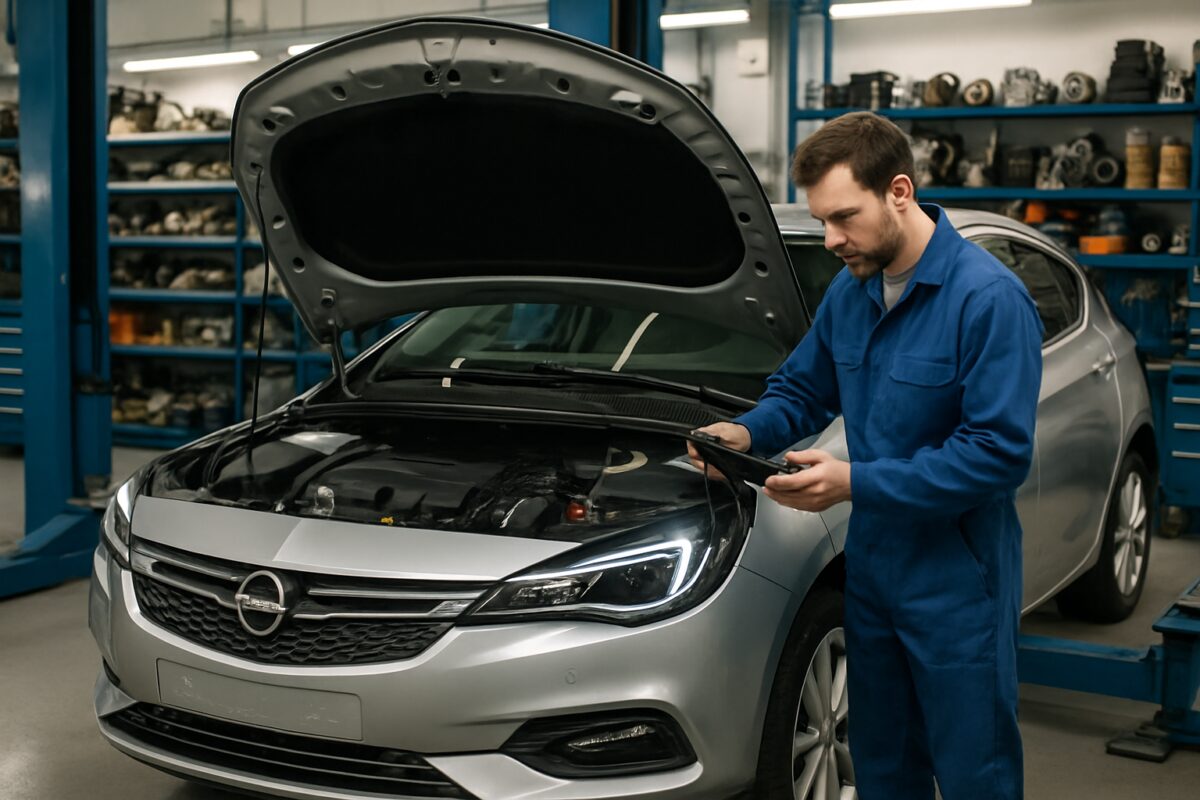
The Opel Astra remains one of Britain’s most popular family cars, but like any vehicle, it’s prone to specific issues that can catch owners off guard. Understanding these common problems with the Opel Astra before they escalate can save you both time and money whilst keeping your motor running smoothly.
Engine overheating issues
One of the most frequent concerns with older Astra models involves engine overheating, particularly affecting vehicles with higher mileage. This problem typically stems from a failing water pump or damaged radiator thermostat.
The cooling system in your Astra works under considerable pressure, and when components begin to deteriorate, the engine temperature can spike dangerously. A blocked engine radiator or leak in the cooling circuit often compounds these issues.
Our AutoPartsPro specialists frequently encounter Astras where the expansion tank develops hairline cracks, causing gradual coolant loss. This seemingly minor fault can lead to catastrophic engine damage if ignored. The problem becomes particularly noticeable during warmer months or when driving in stop-start traffic conditions.
Top tip: Check your coolant level weekly, especially during summer months. Low coolant is often the first sign of cooling system problems.
Electrical system malfunctions
Modern Astra models are packed with electronic components, making electrical faults increasingly common. The most problematic areas include the central locking system and dashboard warning lights that illuminate without apparent cause.
Many owners report issues with the battery draining overnight, often traced back to faulty control units that fail to enter sleep mode properly. This creates a parasitic drain that can leave you stranded with a flat battery.
Window mechanisms frequently fail, particularly on the driver’s side where daily use takes its toll. The problem usually involves worn window mechanisms or damaged wiring within the door frame. Based on our experience at AutoPartsPro, approximately 30% of Astra electrical issues stem from corroded connections in high-moisture areas.
Transmission and clutch problems
Manual transmission Astras commonly develop clutch-related issues around 80,000 miles. The symptoms typically begin with a spongy pedal feel, progressing to difficulty engaging gears. This usually indicates problems with the clutch master cylinder or worn clutch plate.
Automatic variants face their own challenges, particularly with the transmission fluid circulation system. Blocked filters and degraded automatic transmission fluid can cause harsh shifting and delayed engagement.
Our mechanics at AutoPartsPro have noticed that many Astra owners neglect clutch fluid changes, leading to premature failure of hydraulic components. The slave cylinder often bears the brunt of contaminated fluid, resulting in complete clutch system failure.
Professional insight: Never ignore early clutch symptoms. Addressing issues promptly can often save the flywheel from expensive damage.
Suspension and steering concerns
The Astra’s suspension system endures considerable stress on Britain’s varied road surfaces. Common failure points include worn shock absorbers and deteriorated suspension springs, particularly on the rear axle.
Steering issues often manifest as excessive play in the wheel or unusual noises when turning. These symptoms typically point to problems with tie rod ends or the steering rack itself. Power steering pump failure is another common complaint, especially in higher-mileage vehicles.
Based on our AutoPartsPro repair data, approximately 40% of suspension-related faults involve worn bushings and mounts rather than major components. Regular inspection can identify these issues before they affect handling or tyre wear.
Warning signs your car has a problem
Recognising early symptoms can prevent minor issues from becoming expensive repairs. Watch for these critical warning signs:
- Temperature gauge reading higher than normal
- Unusual noises when starting the engine
- Difficulty engaging gears or spongy clutch pedal
- Dashboard warning lights that remain illuminated
- Excessive steering wheel play or vibration
- Coolant puddles under the parked vehicle
- Battery warning light or frequent jump-starts needed
- Grinding noises when braking
- Unusual exhaust smoke colours
- Poor fuel economy or rough idling
- Burning smells from the engine bay
- Transmission fluid leaks
- Suspension bottoming out over bumps
- Electrical components working intermittently
- Excessive tyre wear patterns
How to fix the problems
Addressing these issues requires systematic diagnosis and quality replacement components. Here’s how to tackle the most common problems:
| Problem Type | Primary Cause | Typical Solution | Prevention Method |
|---|---|---|---|
| Engine Overheating | Failed water pump | Replace pump and thermostat | Regular coolant changes |
| Electrical Faults | Corroded connections | Clean and protect connections | Annual electrical inspection |
| Clutch Problems | Worn hydraulic system | Replace master/slave cylinders | Regular fluid changes |
| Suspension Issues | Worn bushings | Replace damaged components | Avoid potholes when possible |
For cooling system repairs, always replace the thermostat alongside the water pump. This approach ensures optimal performance and prevents repeat failures. When addressing electrical issues, use dielectric grease on connections to prevent future corrosion.
| Maintenance Task | Frequency | Key Components | Cost Impact |
|---|---|---|---|
| Cooling System Service | Every 40,000 miles | Coolant, thermostat, hoses | Prevents major engine damage |
| Clutch Fluid Change | Every 30,000 miles | Brake/clutch fluid | Extends hydraulic component life |
| Electrical System Check | Annually | Battery, alternator, connections | Prevents roadside breakdowns |
| Suspension Inspection | Every 20,000 miles | Shocks, springs, bushings | Maintains safe handling |
When to see a mechanic
Whilst some maintenance tasks suit confident DIY enthusiasts, certain problems require professional attention. Engine overheating issues need immediate professional diagnosis to prevent catastrophic damage. Similarly, electrical faults involving the ECU or safety systems should only be tackled by qualified technicians.
Suspension problems affecting vehicle stability warrant urgent professional inspection. Don’t attempt clutch repairs without proper equipment, as incorrect installation can damage expensive components like the flywheel.
Our AutoPartsPro technicians recommend professional intervention when warning lights appear, especially those related to engine management or ABS systems. These modern diagnostic systems require specialist equipment to identify fault codes accurately.
Frequently asked questions
Why does my Astra keep overheating in traffic?
Traffic overheating usually indicates a failing cooling fan or blocked radiator. Check the fan operation when the engine reaches normal temperature.
What causes the central locking to work intermittently?
Intermittent central locking often results from corroded door actuators or low battery voltage in the key fob requiring replacement.
How long should an Astra clutch last?
With proper driving technique and regular maintenance, expect 80,000-100,000 miles from an Astra clutch under normal UK driving conditions.
Why do my dashboard warning lights keep coming on?
Multiple warning lights often indicate electrical supply issues, typically involving the alternator, battery connections, or main electrical harness problems.
What’s the most expensive Astra repair to avoid?
Engine damage from overheating represents the costliest repair. Regular cooling system maintenance prevents most expensive engine rebuild scenarios.
Final recommendation
The Opel Astra remains a reliable family car when properly maintained, but neglecting common problem areas can lead to expensive repairs. Regular preventive maintenance, particularly focusing on cooling system health and electrical connections, will keep your Astra running smoothly for years to come.
At AutoPartsPro, we’ve seen countless Astras restored to excellent condition with quality replacement parts and proper maintenance schedules. Don’t wait for complete component failure – address warning signs promptly to avoid roadside breakdowns.
Remember that using genuine or OE-quality replacement parts ensures optimal performance and longevity. Invest in your Astra’s future by choosing quality components and following recommended service intervals.

 Loading...