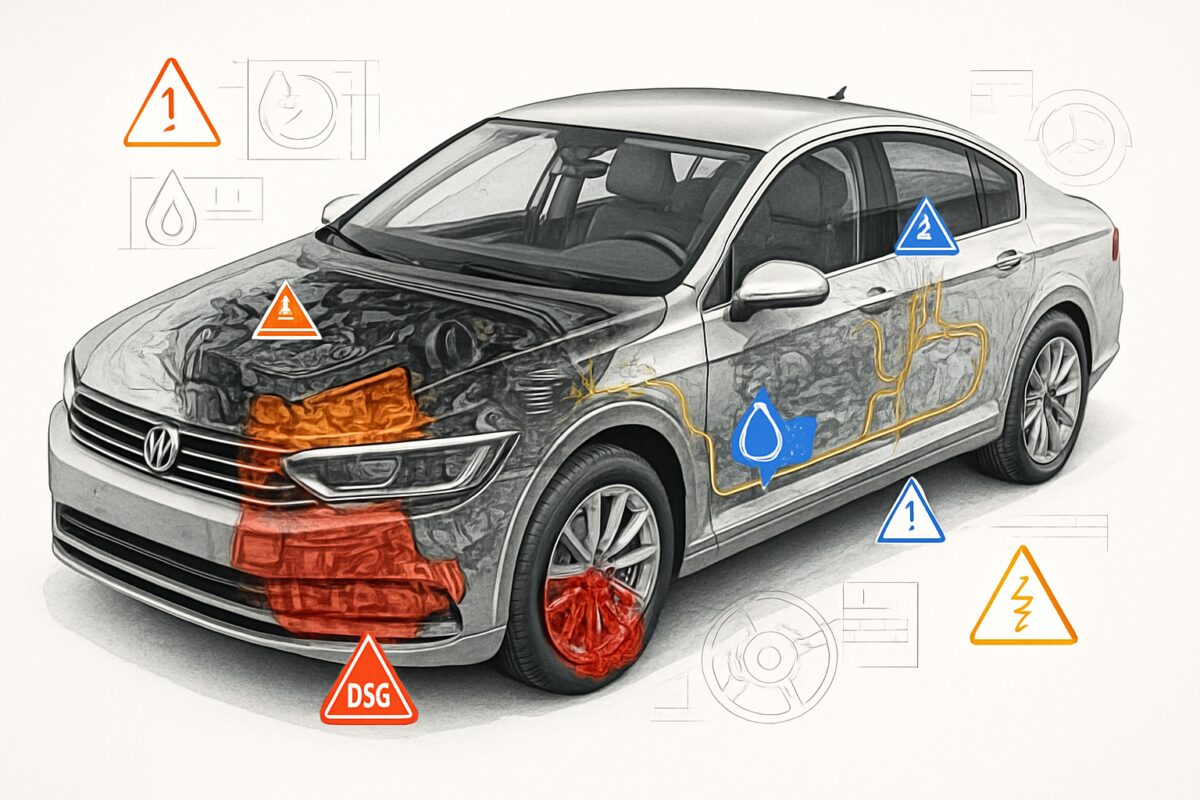
The Volkswagen Passat B8, produced from 2014 onwards, represents VW’s flagship saloon and estate model. Despite its reputation for quality and refinement, the B8 generation has developed several known issues that owners frequently encounter. Understanding these problems can help you make informed decisions about maintenance, repairs, and potential purchases.
DSG transmission problems
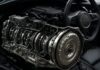
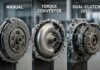
The DSG dual-clutch automatic transmission remains one of the most problematic components in the Passat B8. This sophisticated gearbox, whilst offering smooth gear changes and improved fuel economy, suffers from several recurring issues.
Mechatronic unit failures are particularly common, causing erratic shifting patterns, loss of power, and complete transmission breakdown. The mechatronic unit controls clutch engagement and gear selection, making it critical for proper operation. When it fails, drivers experience rough gear changes, delayed engagement, and warning lights on the dashboard.
Clutch pack wear is another significant concern. The DSG system uses two clutches that operate alternately, but premature wear can occur due to aggressive driving, frequent stop-start traffic, or manufacturing defects. Symptoms include juddering during acceleration, burning smells, and difficulty engaging gears.
“At AutopartsPro, our technicians recommend DSG service every 40,000 miles to prevent costly transmission failures. Regular oil changes can extend clutch life significantly.”
Engine oil consumption issues
Excessive oil consumption plagues several Passat B8 engines, particularly the 1.4 TSI and 2.0 TSI units. This problem affects vehicles across different production years and can lead to severe engine damage if left unaddressed.
The primary culprits include worn piston rings, damaged valve stem seals, and faulty PCV systems. These components allow oil to leak into the combustion chamber, where it burns alongside fuel. Drivers notice blue smoke from the exhaust, especially during startup or acceleration.
Oil consumption rates exceeding 1 litre per 1,000 miles indicate serious problems. VW initially considered consumption up to this level “normal,” but many owners report much higher rates. Regular monitoring of engine oil levels becomes essential for affected vehicles.
Carbon build-up on intake valves compounds the issue. Direct injection engines don’t wash fuel over intake valves, allowing carbon deposits to accumulate. This reduces engine efficiency and can cause rough running, poor performance, and increased oil consumption.
AdBlue system malfunctions
Diesel Passat B8 models feature AdBlue exhaust aftertreatment systems that frequently malfunction. These systems inject urea solution into the exhaust stream to reduce harmful NOx emissions, but component failures are common.
AdBlue pump failures occur regularly, preventing proper injection of the solution. Symptoms include warning messages about AdBlue system errors, reduced engine power, and eventual engine shutdown if the fault isn’t addressed. Replacement pumps can cost several hundred pounds.
Injector blockages are equally problematic. The AdBlue injector can become clogged with crystallised urea, particularly if the vehicle is used for short journeys or left standing for extended periods. Blocked injectors prevent proper AdBlue delivery, triggering fault codes and limp mode.
Temperature sensors within the AdBlue tank frequently fail, causing false readings that prevent the system from operating correctly. These sensors are crucial for determining when AdBlue freezes and when heating elements should activate.
Electrical system problems
Modern Passats B8 contain numerous electronic systems that can malfunction, causing frustrating intermittent faults. These electrical gremlins often prove difficult to diagnose and expensive to repair.
Central locking system failures affect many vehicles, with door locks operating sporadically or not at all. The problem often stems from faulty door lock actuators or wiring harness issues. Remote key fobs may work intermittently, and doors might lock or unlock without input.
Infotainment system crashes and freezes are increasingly common as vehicles age. The touchscreen may become unresponsive, battery drain occurs when parked, and various warning messages appear without apparent cause. Software updates sometimes resolve these issues, but hardware replacement may be necessary.
Parking sensor malfunctions cause false warnings or complete system failure. Sensors become dirty or damaged, whilst control modules can develop internal faults. The system may beep constantly, fail to detect obstacles, or display incorrect distance readings.
“Our experience shows that many electrical faults in the Passat B8 relate to water ingress through poorly sealed connectors. Regular inspection of electrical connections can prevent costly repairs.”
Warning signs your car has a problem
Recognising early warning signs can prevent minor issues from becoming expensive repairs. Pay attention to these indicators that suggest your Passat B8 needs attention:
- Unusual noises during gear changes or acceleration
- Warning lights illuminating on the dashboard
- Excessive exhaust smoke, particularly blue or black
- Rough idling or poor engine performance
- Electrical systems operating erratically
- Increased fuel consumption without obvious cause
- Difficulty starting the engine, especially when cold
- Strange odours from the engine bay or exhaust
- Vibrations felt through the steering wheel or chassis
- AdBlue warning messages appearing frequently
How to fix the problems
| Problem | Solution | Estimated Cost |
|---|---|---|
| DSG Mechatronic Failure | Replace mechatronic unit | £1,500-£3,000 |
| Excessive Oil Consumption | Engine rebuild or replacement | £3,000-£8,000 |
| AdBlue Pump Failure | Replace AdBlue pump and tank | £400-£800 |
| Central Locking Issues | Replace door actuators | £150-£300 per door |
| Infotainment Crashes | Software update or unit replacement | £200-£1,200 |
| Preventive Maintenance | Frequency | Benefits |
|---|---|---|
| DSG Service | Every 40,000 miles | Prevents transmission failure |
| Oil Level Checks | Monthly | Early detection of consumption issues |
| AdBlue Top-up | As required | Prevents system shutdown |
| Software Updates | Annually | Resolves known bugs and improves reliability |
When to see a mechanic
Certain symptoms require immediate professional attention to prevent catastrophic damage. Don’t delay seeking help when you notice persistent warning lights, especially those related to engine management, transmission, or emissions systems.
Engine oil consumption exceeding normal levels demands urgent investigation. If you’re adding oil more frequently than every 3,000 miles, book a diagnostic appointment immediately. Continuing to drive with excessive oil consumption can cause irreversible engine damage.
DSG transmission problems need prompt attention. Any unusual noises, harsh shifting, or warning messages should trigger an immediate visit to a qualified technician. Continuing to drive with transmission faults can destroy the entire gearbox.
AdBlue system warnings should never be ignored. These systems can prevent the engine from starting if faults aren’t addressed promptly. The countdown timer that appears gives you limited time to resolve the issue before the vehicle becomes immobilised.
For complex electrical faults, specialist diagnostic equipment is essential. Independent garages with VW-specific tools can often provide more cost-effective solutions than main dealers whilst maintaining the same quality of work. Read our guide about when to visit a garage for more detailed advice.
Frequently asked questions (FAQ)
What are the most common problems with VW Passat B8?
DSG transmission failures, excessive engine oil consumption, AdBlue system malfunctions, and electrical issues are the most frequently reported problems affecting reliability and ownership costs.
How much does it cost to fix DSG transmission problems?
DSG repairs typically range from £400 for software updates to £3,000 for complete mechatronic unit replacement, depending on the specific fault and labour requirements.
Is the VW Passat B8 reliable for long-term ownership?
With proper maintenance and prompt attention to known issues, the Passat B8 can provide reliable service, though repair costs may be higher than average.
Can I prevent oil consumption issues in my Passat B8?
Regular oil changes with high-quality synthetic oil, avoiding aggressive driving styles, and prompt attention to PCV system maintenance can help minimise consumption problems.
How often should I service the DSG transmission?
DSG transmissions require specialist service every 40,000 miles or 4 years, including transmission fluid and filter changes to maintain optimal performance and longevity.
Final recommendation
The VW Passat B8 remains a capable and refined vehicle when properly maintained, but potential owners should be aware of its known weaknesses. DSG transmission problems and engine oil consumption issues represent the most serious concerns, potentially requiring expensive repairs.
If you’re considering purchasing a used Passat B8, ensure it has complete service history and request evidence of DSG servicing. Budget for higher than average maintenance costs, and consider extended warranty coverage for peace of mind. For current owners, proactive maintenance and prompt attention to warning signs can help prevent minor issues from becoming major expenses.
Despite these challenges, many Passat B8 owners enjoy years of trouble-free motoring when they stay ahead of maintenance requirements. The key lies in understanding the vehicle’s needs and working with knowledgeable technicians who understand these specific issues. For genuine parts and expert advice, consider browsing our comprehensive range of OEM car parts to keep your Passat running at its best.

 Loading...