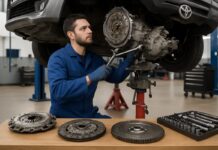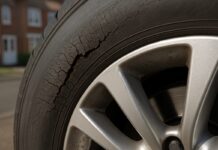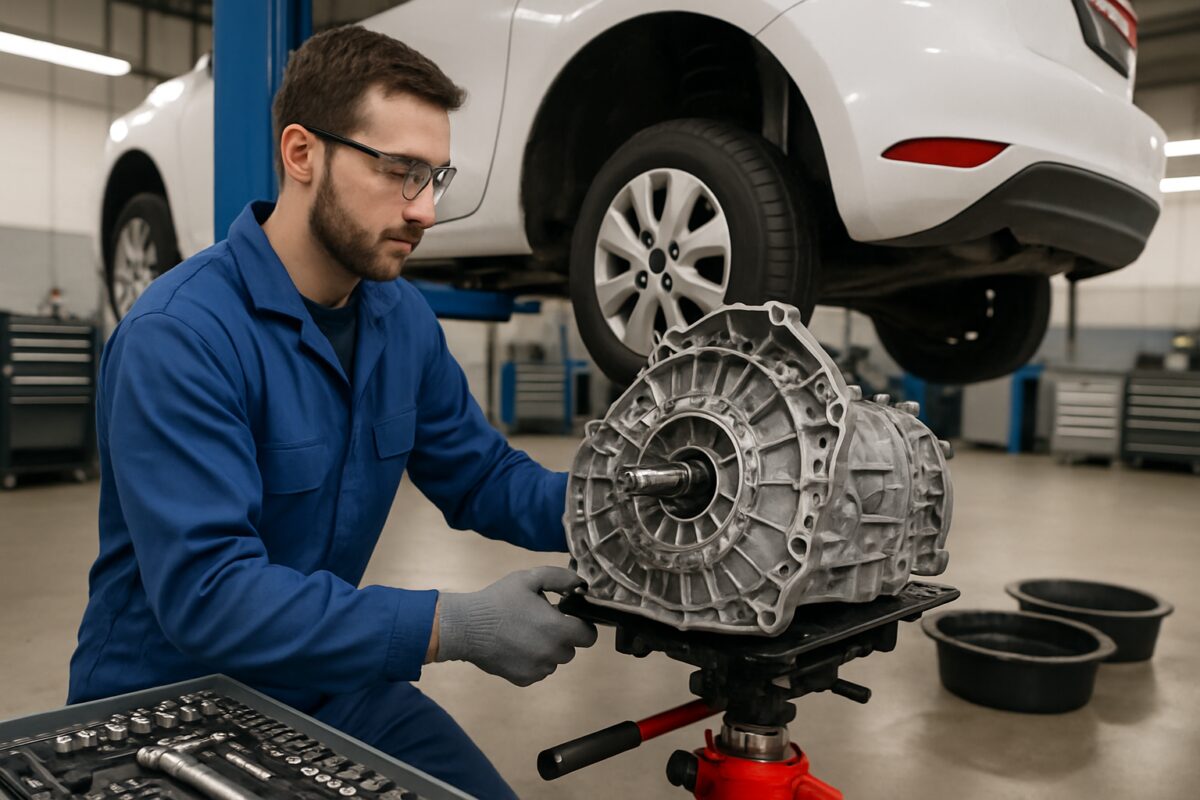
Gearbox replacement costs range from £800 to £3,500 depending on your vehicle type and whether you choose a new or remanufactured unit. Warning signs include grinding noises, difficulty shifting gears, burning smells, and fluid leaks. Most manual gearboxes fail between 80,000-150,000 miles, whilst automatics may need replacement after 100,000-200,000 miles when properly maintained.
Tools & parts required
Before starting any gearbox work, you’ll need the right equipment and replacement parts. Professional gearbox replacement requires specialised tools and considerable expertise.
Parts needed:
- Replacement gearbox (new, remanufactured, or used)
- New clutch kit (manual transmissions)
- Gaskets and seals
- Transmission fluid
- Flywheel bolts
Tools required:
- Vehicle lift or axle stands
- Engine support bracket
- Transmission jack
- Socket set (8mm to 19mm)
- Torque wrench
- Drain pan
Always match the replacement gearbox to your vehicle’s exact specifications including engine code and chassis number to ensure proper fitment.
Safety precautions
Gearbox replacement involves working under a raised vehicle with heavy components. Never attempt this without proper safety measures.
- Use certified vehicle lift or quality axle stands
- Disconnect the battery to prevent electrical hazards
- Wear safety glasses and protective gloves
- Ensure adequate ventilation when working with transmission fluids
- Have a fire extinguisher nearby
Step-by-step instructions
Gearbox replacement is a complex procedure requiring mechanical expertise. This overview covers the main stages involved.
Step 1: Prepare the vehicle
Raise the vehicle securely and remove the engine oil drain plug to drain fluids. Support the engine with a proper bracket to prevent damage when the gearbox is removed.
Step 2: Disconnect components
Remove the drive shafts, gear linkages, and electrical connections. Disconnect the clutch slave cylinder on manual transmissions and mark all connections for reassembly.
Step 3: Remove the old gearbox
Using a transmission jack, carefully lower the gearbox whilst supporting its weight. Manual gearboxes typically weigh 40-60kg, whilst automatics can exceed 80kg.
Step 4: Install the new gearbox
Position the replacement unit carefully, ensuring proper alignment with the engine. Replace all gaskets and seals during installation.
Step 5: Reassemble and test
Reconnect all components using proper torque specifications. Fill with fresh transmission fluid and test all gears before returning the vehicle to service.
Common mistakes to avoid
Several errors can lead to premature gearbox failure or installation problems. Avoiding these issues saves time and money.
- Installing the gearbox without replacing the clutch on manual transmissions
- Reusing old gaskets and seals
- Incorrect torque settings on mounting bolts
- Overfilling or underfilling with transmission fluid
- Failing to properly align the gearbox during installation
Professional mechanics recommend replacing the clutch whenever installing a new gearbox to avoid future labour costs and prevent contamination.
When should you replace it?
Several symptoms indicate gearbox replacement may be necessary. Early detection prevents complete failure and potential engine damage.
Replace your gearbox when experiencing persistent grinding noises, complete loss of gears, or severe fluid contamination. Most manual gearboxes require replacement after 100,000-150,000 miles of normal use, whilst automatic transmissions may last 150,000-200,000 miles with proper maintenance.
Common warning signs include difficulty engaging gears, burning smells, unusual noises, and visible fluid leaks. If your vehicle shows these symptoms, consult a qualified mechanic promptly to assess whether repair or replacement is most cost-effective.
Related maintenance you can do at the same time
Gearbox replacement provides an opportunity to service related components whilst the vehicle is dismantled.
- Replace the clutch kit on manual transmissions
- Change the engine oil and filter
- Inspect and replace worn engine mounts
- Service the CV joints and drive shafts
- Check brake system components
This approach maximises value by combining labour-intensive jobs whilst the vehicle is already dismantled for gearbox work.
Frequently asked questions
How much does a gearbox replacement cost in the UK?
Manual gearbox replacement costs £800-£2,000 including labour, whilst automatic transmissions range from £1,500-£3,500 depending on vehicle complexity and parts availability.
How long does gearbox replacement take?
Professional mechanics typically require 8-12 hours for manual gearboxes and 10-16 hours for automatic transmissions, depending on vehicle accessibility.
Can I drive with a failing gearbox?
Continued driving with severe gearbox problems risks complete failure, potentially causing expensive engine damage or leaving you stranded unexpectedly.
Should I buy new or remanufactured gearbox?
Remanufactured units offer good value at 30-50% less than new parts, often with comprehensive warranties covering defects and premature failure.
How can I extend my gearbox life?
Regular fluid changes, gentle driving habits, and prompt attention to warning signs significantly extend gearbox lifespan and prevent costly failures.
Understanding gearbox replacement costs and recognising warning signs early helps you make informed decisions about your vehicle’s future. Whether choosing professional installation or attempting DIY replacement, using quality components and following proper procedures ensures reliable operation. For comprehensive guidance on related maintenance tasks, explore our car maintenance resources to keep your vehicle running smoothly for years to come.

 Loading...