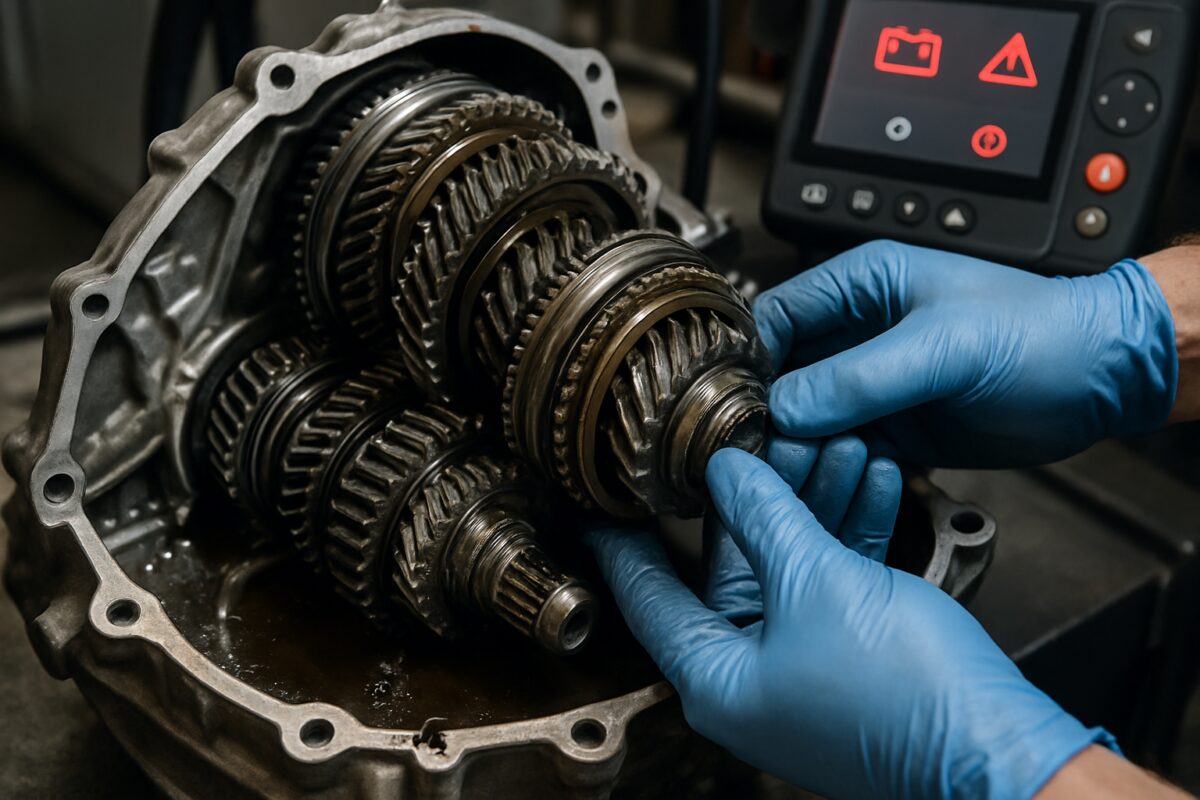
Audi A3 gearbox malfunctions can turn your smooth driving experience into a nightmare. These transmission issues range from simple fluid problems to complete system failures, affecting both manual and automatic variants. Understanding the warning signs and causes helps prevent costly repairs and ensures your vehicle remains roadworthy.
Clutch problems in manual transmissions
Manual Audi A3 models commonly experience clutch-related failures that manifest as gearbox malfunctions. The clutch assembly consists of the pressure plate, clutch disc, and release bearing, all working together to engage and disengage power transmission.
Worn clutch discs create slipping sensations when accelerating. You’ll notice the engine revs increase without corresponding speed gain. This occurs when the friction material wears down below acceptable thickness levels.
Faulty clutch master cylinders cause gear selection difficulties. The hydraulic system loses pressure, making it impossible to fully disengage the clutch. Symptoms include grinding noises when shifting and difficulty engaging first gear from neutral.
Pressure plate springs weaken over time, reducing clamping force on the clutch disc. This leads to premature slipping and burning smells from the engine bay. The issue typically affects vehicles with high mileage or aggressive driving habits.
Our Autopartspro mechanics observe that clutch kit replacements often resolve multiple transmission symptoms simultaneously. Complete replacement ensures all components work together harmoniously.
Automatic transmission fluid issues
Automatic Audi A3 gearboxes depend heavily on proper transmission fluid levels and quality. Contaminated or insufficient fluid causes numerous operational problems that mimic serious mechanical failures.
Low fluid levels prevent proper hydraulic pressure buildup within the transmission. This results in delayed gear engagement, harsh shifting, and complete transmission slippage. Regular checks prevent these issues from developing.
Burnt transmission fluid appears dark brown or black with a distinct acrid smell. Heat damage occurs when the transmission operates under stress without adequate lubrication or cooling. This condition requires immediate attention to prevent internal component damage.
Incorrect fluid specifications cause swelling of internal seals and gaskets. Modern Audi transmissions require specific automatic transmission fluid formulations that meet manufacturer standards.
Metal particles in transmission fluid indicate internal wear of gears, bands, or clutch packs. This contamination accelerates further damage and necessitates professional diagnosis to determine repair requirements.
Electronic control module failures
Modern Audi A3 vehicles rely on sophisticated electronic systems to manage transmission operations. These control units process sensor data and adjust shifting patterns accordingly.
Transmission control modules develop software corruption or hardware failures over time. Symptoms include erratic shifting patterns, stuck gears, and illuminated warning lights on the dashboard.
Water damage from flooding or coolant leaks destroys electronic components quickly. Corrosion spreads throughout circuit boards, causing intermittent faults that worsen progressively.
Voltage spikes from faulty alternators or jump-starting procedures damage sensitive electronic circuits. These issues often require complete module replacement rather than repair.
Software updates sometimes resolve minor transmission control issues without hardware replacement. However, mechanical problems cannot be fixed through programming alone.
Worn synchronisers and gear damage
Manual transmission synchronisers enable smooth gear changes by matching shaft speeds. Worn synchros cause grinding noises and difficulty selecting specific gears, particularly when downshifting.
Second and third gear synchros typically fail first due to frequent use in city driving. The brass synchroniser rings wear thin, losing their ability to create friction for speed matching.
Input shaft bearing failure creates whining noises that increase with engine speed. These bearings support the transmission input shaft and endure constant rotation under load.
Gear teeth chipping occurs from improper shifting techniques or clutch problems. Small metal fragments circulate through the transmission, causing additional damage to other components.
“Regular gear oil changes every 60,000 miles significantly extend synchroniser life and prevent premature wear,” advises our transmission specialist team.
Warning signs your car has a problem
Early detection of gearbox problems saves considerable repair costs and prevents roadside breakdowns. Watch for these critical warning signs:
- Grinding or whining noises during gear changes
- Delayed engagement when selecting drive or reverse
- Burning smells from the engine compartment
- Fluid leaks beneath the vehicle
- Dashboard warning lights illuminating
Unusual vibrations through the gear lever indicate potential transmission mount problems or internal component wear. These symptoms often worsen gradually before causing complete failure.
Slipping gears during acceleration suggest clutch problems in manual transmissions or band/clutch pack failure in automatics. This condition requires immediate professional attention.
How to fix the problems
| Problem | Solution | Difficulty Level | Estimated Cost |
|---|---|---|---|
| Low transmission fluid | Top up with correct specification fluid | Easy | £15-30 |
| Worn clutch disc | Complete clutch replacement | Professional | £800-1200 |
| Faulty control module | ECU replacement and programming | Professional | £600-1000 |
| Worn synchronisers | Transmission rebuild | Professional | £1500-2500 |
| Transmission mount failure | Mount replacement | Moderate | £150-300 |
| Maintenance Item | Interval | Importance |
|---|---|---|
| Manual transmission oil | 60,000 miles | High |
| Automatic transmission service | 40,000 miles | Critical |
| Clutch fluid replacement | 2 years | Medium |
“Prevention through regular maintenance costs far less than major transmission rebuilds,” emphasises our workshop manager with 15 years Audi experience.
Simple DIY checks include monitoring fluid levels and listening for unusual noises. However, internal repairs require specialist tools and expertise that most home mechanics lack.
Quality replacement parts from reputable suppliers ensure lasting repairs. Cheap components often fail prematurely, leading to repeated breakdowns and additional costs.
When to see a mechanic
Professional diagnosis becomes essential when warning lights appear on your dashboard or shifting problems persist. Delaying repairs often transforms minor issues into major overhauls.
Strange noises from the transmission area require immediate investigation. Continuing to drive with grinding or whining sounds risks complete transmission failure and expensive replacement.
Fluid leaks indicate seal failures that worsen rapidly without intervention. Even small leaks can drain the transmission completely, causing catastrophic internal damage.
Modern diagnostic equipment identifies fault codes that pinpoint specific problem areas. This technology saves time and reduces unnecessary component replacement during repairs.
Qualified technicians understand Audi-specific procedures and use manufacturer-approved techniques. Their expertise ensures repairs meet warranty requirements and maintain vehicle reliability.
For reliable car maintenance guidance and quality components, trust professionals who understand your vehicle’s specific requirements.
Frequently asked questions
What causes gearbox warning lights in Audi A3?
Electronic control module faults, low transmission fluid, or internal component failures trigger warning lights requiring professional diagnosis.
How much does Audi A3 gearbox repair cost?
Repair costs range from £150 for minor adjustments to £3000 for complete transmission replacement depending on damage extent.
Can I drive with gearbox problems?
Limited driving to reach a garage is acceptable, but continued use risks complete transmission failure and costly repairs.
How long do Audi A3 gearboxes last?
Properly maintained transmissions typically last 150,000-200,000 miles with regular servicing and appropriate driving habits maintaining longevity.
What transmission fluid does Audi A3 use?
Audi specifies G052162A2 or G055005A2 transmission fluid depending on gearbox type; using incorrect fluid causes damage.
Understanding these common issues helps maintain your Audi A3’s transmission system effectively. Regular maintenance and early intervention prevent minor problems from becoming expensive major repairs.
For comprehensive guidance on brake maintenance and other essential vehicle care topics, explore our extensive technical resources.
Final recommendation
Audi A3 gearbox problems require prompt attention to prevent escalation into costly failures. Regular maintenance schedules and quality replacement parts significantly extend transmission life while maintaining optimal performance.
Our Autopartspro experts recommend addressing warning signs immediately rather than hoping problems resolve themselves. Early intervention typically costs substantially less than complete transmission rebuilds or replacements.
Professional diagnosis using manufacturer-specific diagnostic equipment ensures accurate problem identification and appropriate repair strategies. This approach prevents unnecessary component replacement and reduces overall repair costs.
Quality replacement parts from established suppliers provide reliable long-term solutions. Investing in proper components and professional installation maintains your vehicle’s reliability and resale value effectively.
For detailed guidance on oil filter replacement and comprehensive vehicle maintenance, consult our technical guides and professional recommendations.

 Loading...