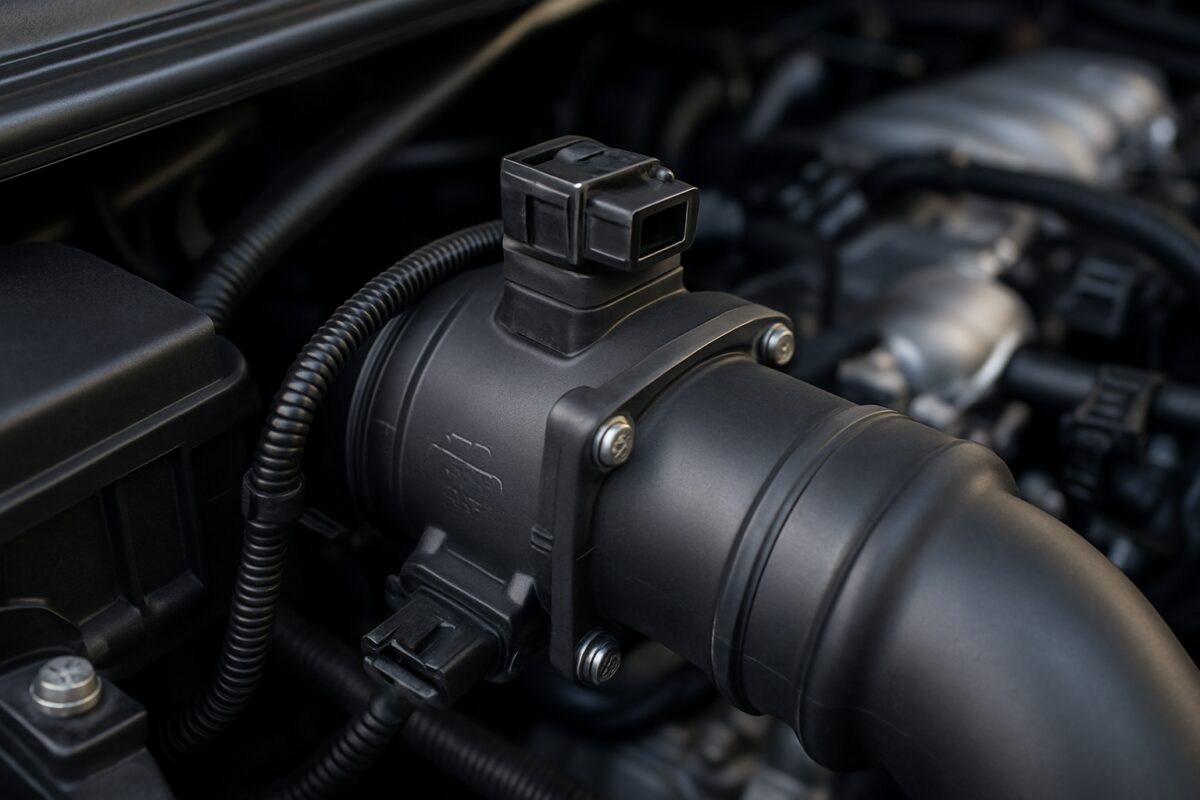
The mass air flow sensor plays a crucial role in your vehicle’s engine management system, measuring the amount of air entering the engine to ensure optimal fuel injection and combustion. When this vital component malfunctions, it can cause significant performance issues and increased emissions. Understanding the symptoms and knowing how to check your MAF sensor can save you costly repairs and keep your car running smoothly.
Poor engine performance and rough idling
A faulty MAF sensor typically manifests through noticeable performance degradation. Your engine may struggle to maintain consistent power output, leading to jerky acceleration and hesitant throttle response. The engine control unit relies on accurate airflow data to calculate the proper air-fuel mixture, so incorrect readings result in suboptimal combustion.
Rough idling becomes apparent when the engine vibrates excessively or sounds irregular at standstill. You might notice the engine RPM fluctuating unpredictably, creating an unstable idle that makes the entire vehicle shake. This occurs because the ECU cannot properly adjust fuel delivery without accurate airflow information.
Our specialists at AutoPartsPro recommend checking for vacuum leaks alongside MAF sensor diagnostics, as both issues can cause similar symptoms and often occur simultaneously.
The engine may also stall unexpectedly, particularly during low-speed manoeuvres or when coming to a stop. This happens because the incorrect air-fuel mixture prevents the engine from maintaining the minimum RPM needed for stable operation.
Increased fuel consumption and emissions
A malfunctioning MAF sensor dramatically affects fuel economy by providing inaccurate airflow readings to the engine management system. When the sensor over-reports airflow, the ECU injects excessive fuel, creating a rich mixture that wastes petrol and increases harmful emissions. Conversely, under-reporting airflow leads to a lean mixture that can damage engine components.
You’ll notice significantly higher fuel consumption during regular driving conditions. What once provided 400 miles per tank might now barely manage 300 miles. This deterioration occurs gradually, making it easy to overlook initially.
Modern vehicles equipped with OBD-II systems often trigger the check engine light when emissions exceed acceptable thresholds. The catalytic converter works harder to process excess hydrocarbons and carbon monoxide, potentially causing premature failure of this expensive component.
During MOT testing, elevated emissions readings can result in failure, particularly for older vehicles with higher mileage. The oxygen sensor works in conjunction with the MAF sensor to maintain proper emissions levels.
Starting difficulties and engine hesitation
Cold starting becomes increasingly problematic with a failing MAF sensor. The engine requires a richer fuel mixture during cold starts, but incorrect airflow readings prevent the ECU from providing adequate fuel enrichment. You might need multiple attempts to start the engine, especially on chilly mornings.
Engine hesitation during acceleration occurs when the MAF sensor cannot accurately measure sudden increases in airflow. The ECU receives delayed or incorrect information, causing momentary fuel starvation that results in stumbling or flat spots during acceleration.
Professional mechanics often observe that MAF sensor problems worsen progressively, so early diagnosis and replacement can prevent more serious engine damage.
Highway driving reveals additional symptoms, particularly when overtaking or climbing hills. The engine may surge unexpectedly or lose power when you need it most, creating potentially dangerous driving conditions.
Warning signs your car has a problem
Several clear indicators suggest MAF sensor failure requiring immediate attention:
- Check engine light illumination with diagnostic codes P0101-P0104
- Black smoke from the exhaust indicating rich fuel mixture
- Engine backfiring through the intake or exhaust system
- Unusual engine noises during acceleration or deceleration
- Strong fuel smell from the exhaust or engine bay
Visual inspection may reveal physical damage to the MAF sensor housing or connecting wires. Look for cracks, corrosion, or contamination on the sensor element. Air filter condition directly impacts MAF sensor longevity, so check both components simultaneously.
How to fix the problems
| Problem | Solution | Estimated Cost | Difficulty Level |
|---|---|---|---|
| Contaminated sensor | Clean with MAF sensor cleaner | £15-25 | Easy |
| Faulty wiring | Repair or replace wiring harness | £50-150 | Moderate |
| Complete sensor failure | Replace MAF sensor | £80-300 | Moderate |
| Air filter blockage | Replace air filter | £20-40 | Easy |
| Vacuum leak | Locate and seal leak | £30-100 | Moderate |
Cleaning the MAF sensor represents the first diagnostic step. Remove the sensor carefully and spray the delicate sensing element with specialised MAF cleaner. Never use standard solvents or compressed air, as these can damage the precise calibration.
When replacement becomes necessary, ensure you purchase the correct part number for your specific vehicle. Generic or incompatible sensors may fit physically but provide incorrect readings, perpetuating the original problems.
When to see a mechanic
Professional diagnosis becomes essential when DIY cleaning fails to resolve symptoms or when multiple related systems show problems simultaneously. Experienced technicians can differentiate between MAF sensor failure and other issues like faulty fuel injectors or vacuum leaks that produce similar symptoms.
Complex diagnostic procedures require specialised equipment including oscilloscopes and live data scanners. These tools measure real-time sensor output voltage and compare readings against manufacturer specifications.
Seek immediate professional help if engine damage symptoms appear, such as knocking noises or severe power loss. Running an engine with severely incorrect air-fuel mixtures can cause catastrophic internal damage requiring expensive repairs.
| Symptom Severity | Immediate Action Required | Driving Safety |
|---|---|---|
| Slight performance loss | Schedule inspection within a week | Generally safe |
| Check engine light | Diagnose within 2-3 days | Reduced performance expected |
| Severe hesitation/stalling | Immediate professional diagnosis | Potentially unsafe |
| Engine damage noises | Stop driving immediately | Unsafe to continue |
Frequently asked questions (FAQ)
Can I drive with a faulty MAF sensor?
Short-term driving is possible but not recommended. Extended operation causes poor fuel economy, increased emissions, and potential engine damage.
How often should MAF sensors be replaced?
Typically every 80,000-120,000 miles, though contamination from dirty air filters can require earlier replacement in dusty conditions.
Will cleaning a MAF sensor fix all problems?
Cleaning resolves contamination issues but cannot repair internal electrical failures or physical damage to sensor elements.
Can a bad air filter damage the MAF sensor?
Yes, severely contaminated air filters allow dirt to reach sensor elements, causing false readings and eventual failure.
What causes MAF sensor failure besides contamination?
Electrical faults, vibration damage, age-related component degradation, and exposure to excessive heat or moisture cause sensor failure.
Final recommendation
Regular maintenance prevents most MAF sensor problems, particularly timely air filter replacement and periodic sensor cleaning. At AutoPartsPro, our technical specialists recommend inspecting the MAF sensor during routine services to identify contamination before it affects performance.
Quality replacement parts ensure reliable operation and accurate airflow measurement. Investing in genuine or OEM-equivalent sensors provides better long-term value than cheaper alternatives that may fail prematurely. When symptoms appear, prompt diagnosis and appropriate action prevent expensive engine damage and maintain optimal vehicle performance. Remember that the MAF sensor works as part of an integrated system – addressing related issues like vacuum leaks and filter maintenance ensures comprehensive repair and prevents recurring problems.

 Loading...