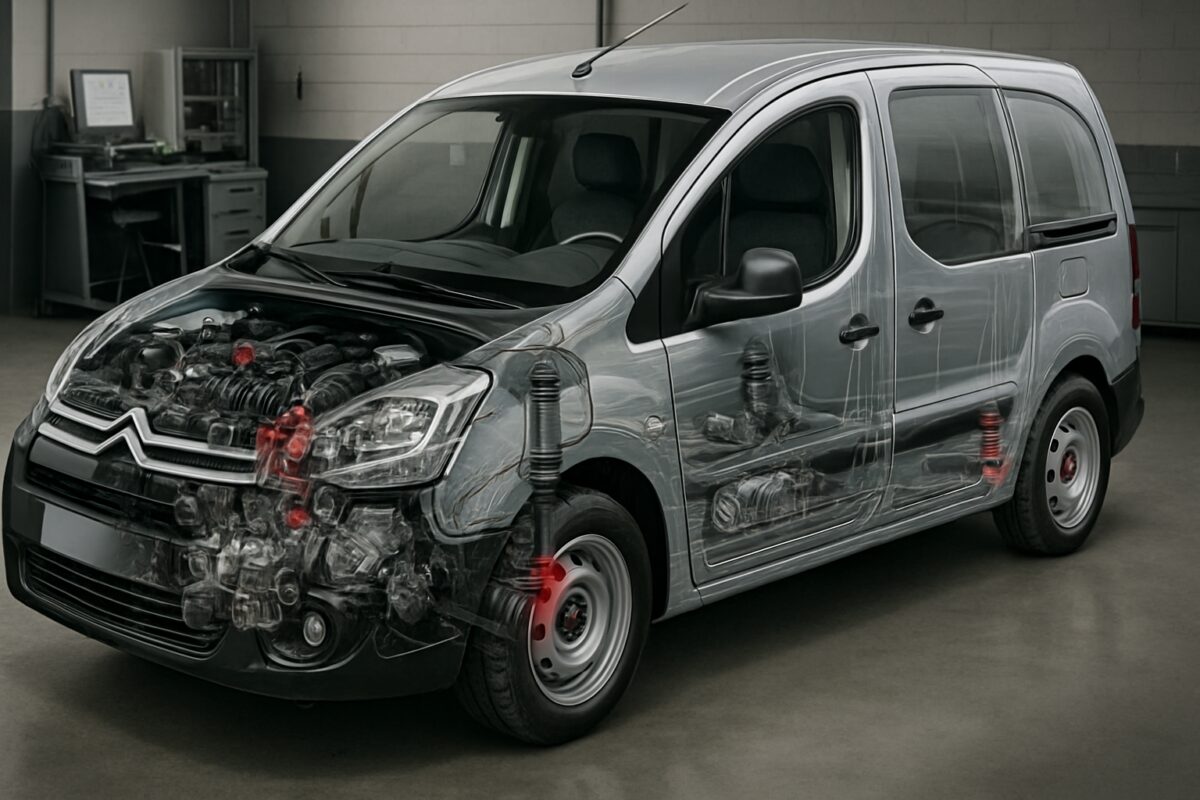
The Citroën Berlingo has earned a reputation as a practical family vehicle and commercial workhorse. However, like any motor vehicle, it’s not immune to certain reliability issues that can affect both performance and safety. Understanding these common problems helps owners identify potential faults early and take appropriate action before costly repairs become necessary.
Engine-related failures and performance issues
The most significant concerns with Citroën Berlingo models centre around the diesel powerplants, particularly the HDI units. These engines frequently develop injector problems, causing rough idling, poor fuel economy, and black exhaust smoke. The DV6 1.6-litre HDI engine is especially prone to fuel filter blockages and turbocharger failures.
Carbon build-up in the inlet manifold represents another persistent issue. This occurs because diesel particulate filter regeneration cycles don’t always complete properly during short urban journeys. Drivers notice reduced acceleration, increased fuel consumption, and the engine management light illuminating frequently.
The timing chain tensioner on petrol engines, particularly the 1.2 PureTech unit, has shown premature wear patterns. This component failure can lead to catastrophic engine damage if not addressed promptly. Warning signs include a metallic rattling noise on startup and irregular engine timing.
Our mechanics at AutoPartsPro recommend checking engine oil levels weekly, as these engines consume oil faster than expected, especially when approaching higher mileages.
Transmission and gearbox malfunctions
Manual gearboxes in the Berlingo often develop synchroniser wear, making gear selection difficult, particularly when engaging second and third gears. This problem becomes more apparent during cold weather conditions when transmission fluid viscosity increases.
The automated manual transmission (AMT) fitted to some variants suffers from clutch actuator failures. These units control clutch engagement electronically, and when they malfunction, the vehicle may refuse to move or jerk violently during gear changes. Replacement costs can be substantial, often exceeding £800.
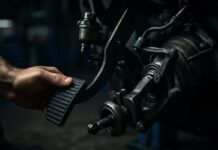
Clutch master cylinder leaks plague older models, causing a spongy pedal feel and eventual clutch operation failure. The brake fluid reservoir level drops noticeably when this component begins failing. Early detection prevents complete clutch system failure and potential safety hazards.
Drive shaft problems manifest as clicking noises during cornering, particularly when turning at low speeds. The CV joints wear prematurely due to the vehicle’s typical usage patterns involving frequent loading and unloading cycles.
Electrical system faults and sensor failures
Electronic power steering systems commonly fail in Berlingo models manufactured between 2008-2015. The steering becomes heavy unexpectedly, and warning lights appear on the dashboard. This fault often requires complete column replacement rather than simple repair.
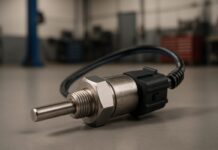
The mass air flow sensor frequently fails, causing erratic engine behaviour and poor fuel economy. This component measures air intake volume, and when it malfunctions, the engine management system cannot calculate correct fuel injection quantities.
Window mechanism failures affect both front and rear doors. The electric window motors burn out prematurely, and the regulator mechanisms jam. These problems occur more frequently in commercial variants due to increased daily usage.
Central locking systems develop intermittent faults, with doors failing to lock or unlock using the remote key fob. The actuator motors inside door panels wear out, requiring individual replacement for each affected door.
Professional tip: Keep spare sensors and electrical components handy, as these failures often occur without warning and can leave you stranded.
Suspension and steering problems
Rear leaf springs sag prematurely, especially in vehicles used for heavy cargo transportation. This affects vehicle handling and can cause premature tyre wear. The problem becomes noticeable when the vehicle sits lower at the rear than normal.
Front shock absorbers develop leaks relatively early in their service life. Oil seepage from these components reduces damping effectiveness and affects ride quality. Replacement becomes necessary every 60,000-80,000 miles on average.
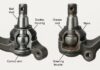
Ball joint wear causes knocking noises over bumps and can affect steering precision. These components bear significant loads in commercial applications and require regular inspection to prevent failure.
Power steering rack seals leak fluid, causing low power steering fluid levels and eventual pump damage. This problem escalates quickly once it begins, as the pump runs dry and overheats.
Warning signs your car has a problem
- Unusual engine noises, particularly rattling sounds during startup
- Difficulty engaging gears or grinding sensations during gear changes
- Heavy steering feel or steering wheel vibrations
- Warning lights remaining illuminated on the dashboard
- Excessive exhaust smoke in black, blue, or white colours
How to fix the problems
| Problem | Solution | Estimated Cost |
|---|---|---|
| Fuel injector failure | Clean or replace injectors | £300-£800 |
| Clutch actuator fault | Replace actuator unit | £600-£1200 |
| Power steering failure | Replace steering column | £800-£1500 |
| Shock absorber leak | Replace front struts | £200-£400 |
| Window motor failure | Replace motor and regulator | £150-£300 |
When to see a mechanic
Immediate professional attention becomes necessary when experiencing steering difficulties, as these pose serious safety risks. Any loss of power steering assistance requires urgent investigation.
Engine warning lights should never be ignored, particularly when accompanied by performance changes. Modern diesel engines with complex emission control systems need specialist diagnostic equipment for proper fault identification.
Transmission problems warrant prompt attention before they escalate into complete gearbox failure. Strange noises, difficult gear selection, or clutch pedal changes indicate developing problems that require professional assessment.
| Symptoms | Urgency Level | Action Required |
|---|---|---|
| Heavy steering | High | Stop driving immediately |
| Engine warning light | Medium | Book appointment within 48 hours |
| Gear selection difficulty | Medium | Avoid long journeys until checked |
| Suspension noises | Low | Schedule inspection within two weeks |
What causes the Citroën Berlingo’s most common problems?
Poor maintenance schedules and aggressive driving patterns accelerate component wear. Commercial usage patterns involving frequent stop-start cycles particularly stress engine and transmission components.
How much does it cost to repair a Citroën Berlingo engine?
Engine repairs range from £300 for minor sensor replacements to £3000 for complete engine rebuilds. Regular servicing prevents most major failures.
Are Citroën Berlingo electrical problems expensive to fix?
Electrical repairs typically cost £150-£800 depending on component complexity. Window mechanisms and sensors represent the most common electrical failures.
How long do Citroën Berlingo transmissions last?
Manual transmissions typically survive 120,000-150,000 miles with proper maintenance. Automated units may require attention around 80,000-100,000 miles in commercial applications.
Can I prevent suspension problems in my Citroën Berlingo?
Regular inspection and avoiding overloading helps extend suspension life. Commercial operators should inspect components every 20,000 miles for early wear detection.
Final recommendation
The Citroën Berlingo remains a practical choice for families and businesses despite these known issues. Regular maintenance using quality replacement parts significantly reduces problem frequency and severity. Focus on preventive care rather than reactive repairs to minimise ownership costs.
Our automotive specialists recommend establishing a relationship with a trusted garage familiar with Citroën vehicles. They understand common failure patterns and can provide cost-effective solutions using OEM car parts. Addressing problems early prevents minor issues from developing into major failures.
When purchasing replacement components, choose reputable suppliers who stock genuine or OE-quality parts. This investment pays dividends through improved reliability and extended component life, ultimately reducing your total cost of ownership.

 Loading...