The KIA Picanto has earned a reputation as a reliable city car, but like any vehicle, it experiences certain recurring issues that owners should be aware of. Understanding these common problems can help you maintain your Picanto properly and address issues before they become costly repairs. Let’s explore the most frequent faults and their solutions.
Engine and transmission problems
The KIA Picanto’s engine bay can harbour several troublesome issues, particularly in older models. The most common engine-related fault involves the timing chain tensioner failing prematurely, typically around 60,000 to 80,000 miles.
When the timing chain tensioner fails, you’ll hear a distinctive rattling noise from the engine, especially during cold starts. This noise gradually worsens and can lead to complete engine failure if ignored. The repair involves replacing the entire timing chain kit, which includes tensioners, guides, and the chain itself.
The manual gearbox in earlier Picanto models (2004-2011) suffers from synchromesh problems, particularly affecting second and third gears. You’ll notice difficulty engaging gears or grinding noises during gear changes. This fault typically manifests between 40,000 and 70,000 miles.
According to our Autopartspro mechanics, always check the timing chain tension during routine servicing to catch problems early and avoid catastrophic engine damage.
Electrical system faults
Electrical gremlins plague many Picanto models, with the most frustrating being intermittent starting problems. The issue often stems from a faulty ignition switch or worn starter motor contacts.
The alternator in 2011-2017 models frequently develops charging issues around 80,000 miles. Symptoms include dimming headlights, dashboard warning lights, and eventual battery discharge. The problem usually lies with worn carbon brushes inside the alternator unit.
Power window mechanisms fail regularly, particularly the driver’s side. The window may stick halfway, move slowly, or refuse to operate entirely. This fault typically occurs due to worn window regulator motors or damaged cables within the door frame.
Central locking systems also prove problematic, with door actuators failing and causing selective locking failures. Some doors may lock whilst others remain open, creating security concerns.
Suspension and steering issues
The Picanto’s compact design puts extra stress on suspension components, leading to premature wear of several key parts. Front shock absorbers typically need replacement between 50,000 and 70,000 miles, particularly in urban driving conditions.
Steering rack problems affect many models, causing heavy steering, wandering, or complete power steering loss. The issue usually stems from worn steering rack seals or pump failure. You’ll notice increased steering effort, especially during parking manoeuvres.
Ball joints wear quickly on the Picanto, causing knocking noises over bumps and uneven tyre wear. The lower ball joints typically fail first, requiring immediate attention to maintain safe handling.
Anti-roll bar links represent another weak point, with rubber bushings perishing and metal components wearing. You’ll hear clunking noises when turning or driving over uneven surfaces.
Braking system concerns
Brake-related issues centre mainly around premature disc and pad wear, though some models experience more serious problems. The rear brake shoes in drum-equipped models stick regularly, causing uneven braking and increased fuel consumption.
Brake caliper seizure affects front wheels particularly, with pistons sticking due to corrosion or damaged seals. This creates uneven pad wear, pulling to one side, and potential brake fade.
The brake servo occasionally fails, requiring significantly more pedal effort to achieve normal braking. This fault poses serious safety risks and demands immediate professional attention.
Our specialists recommend checking brake fluid levels monthly and replacing brake components at the first sign of wear to maintain optimal safety standards.
Warning signs your car has a problem
Recognising early warning signs can prevent minor issues escalating into major repairs. Here are the key symptoms to monitor:
Engine symptoms
- Rattling noise during startup (timing chain issues)
- Rough idling or stalling (ignition system problems)
- Reduced power or acceleration (fuel system faults)
- Excessive oil consumption (worn engine seals)
- Blue or white exhaust smoke (internal engine damage)
Electrical symptoms
- Intermittent starting problems
- Dimming lights or dashboard warnings
- Power window failures
- Central locking malfunctions
- Radio or infotainment system glitches
Mechanical symptoms
- Unusual noises from suspension components
- Steering wheel vibration or heavy steering
- Uneven tyre wear patterns
- Brake pedal changes (spongy or hard feel)
- Grinding or squealing brake noises
How to fix the problems
| Problem | Solution | Estimated Cost | Difficulty Level |
|---|---|---|---|
| Timing chain rattle | Replace timing chain kit | £400-600 | Professional |
| Gearbox synchromesh | Gearbox rebuild/replacement | £800-1200 | Professional |
| Alternator failure | Replace alternator unit | £200-350 | Moderate DIY |
| Power window failure | Replace window regulator | £120-200 | Moderate DIY |
| Shock absorber wear | Replace shock absorbers | £180-300 (pair) | Moderate DIY |
| Ball joint wear | Replace worn ball joints | £80-150 each | Professional |
| Brake disc/pad wear | Replace discs and pads | £150-250 (front) | Easy DIY |
Many repairs require professional expertise, particularly those involving engine timing, gearbox work, and suspension geometry. However, some maintenance tasks like brake pad replacement or alternator changes can be tackled by competent DIY enthusiasts.
When to see a mechanic
Certain symptoms demand immediate professional attention to prevent safety risks or expensive damage. Visit a qualified mechanic immediately if you experience complete power steering loss, brake pedal changes, or engine timing chain rattles.
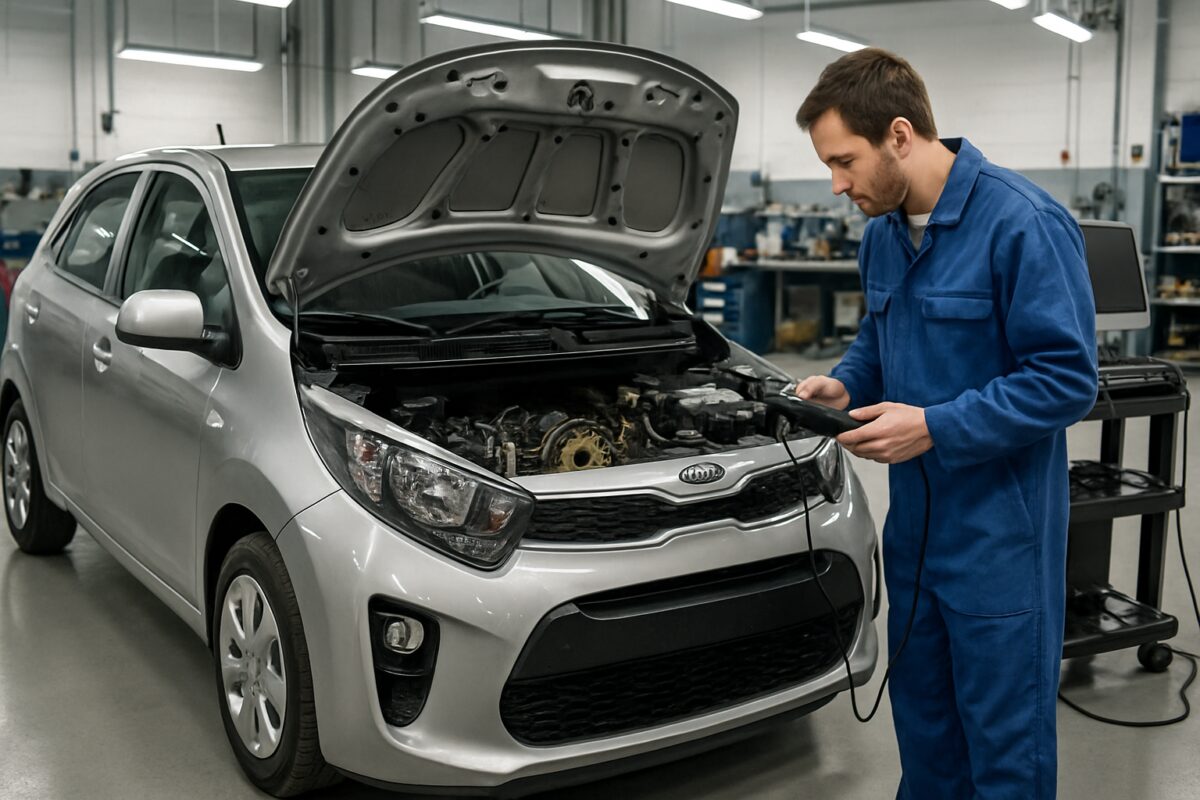
Engine management light illumination requires diagnostic scanning to identify fault codes. Modern vehicles store detailed error information that helps technicians pinpoint problems quickly and accurately.
Suspension noises shouldn’t be ignored, as worn components affect handling and tyre wear. A professional inspection can identify which parts need replacement and ensure proper wheel alignment.
Electrical faults often require specialist diagnostic equipment to trace intermittent problems. Professional workshops have the tools and expertise to resolve complex electrical issues efficiently.
| Symptom | Urgency Level | Risk if Ignored |
|---|---|---|
| Brake pedal feels spongy | Immediate | Complete brake failure |
| Timing chain rattle | Within days | Complete engine failure |
| Power steering loss | Immediate | Loss of vehicle control |
| Engine management light | Within week | Engine damage, emissions failure |
| Unusual suspension noises | Within month | Handling problems, tyre wear |
Frequently asked questions (FAQ)
What is the most common KIA Picanto problem?
Timing chain tensioner failure is the most widespread issue, affecting engines around 60,000-80,000 miles with characteristic rattling noises.
How reliable is the KIA Picanto gearbox?
Manual gearboxes in 2004-2011 models suffer synchromesh problems, but later automatic and manual units prove much more reliable.
When should I replace KIA Picanto suspension components?
Front shock absorbers typically need replacement between 50,000-70,000 miles, depending on driving conditions and maintenance.
Are KIA Picanto electrical problems expensive to fix?
Most electrical faults involve component replacement rather than complex repairs, with costs ranging from £100-400 depending on the specific issue.
How often should I service my KIA Picanto?
Follow manufacturer recommendations of 12,500 miles or annually, but consider more frequent oil filter changes in urban driving conditions.
Final recommendation
The KIA Picanto remains an excellent choice for urban driving despite these common issues. Most problems are predictable and manageable with proper maintenance and early intervention. Regular servicing using quality parts significantly reduces the likelihood of expensive failures.
Our Autopartspro experts recommend addressing timing chain issues immediately, as the repair cost is far less than complete engine replacement. Keep detailed maintenance records and don’t ignore unusual noises or warning lights.
For owners considering purchasing a used Picanto, budget for potential timing chain work and gearbox assessment. A pre-purchase inspection by a qualified technician can identify existing problems and help negotiate appropriate pricing.
With proper care and attention, the Picanto provides reliable, economical transportation for many years. Regular maintenance using quality replacement parts ensures optimal performance and helps maintain the vehicle’s resale value.

 Loading...